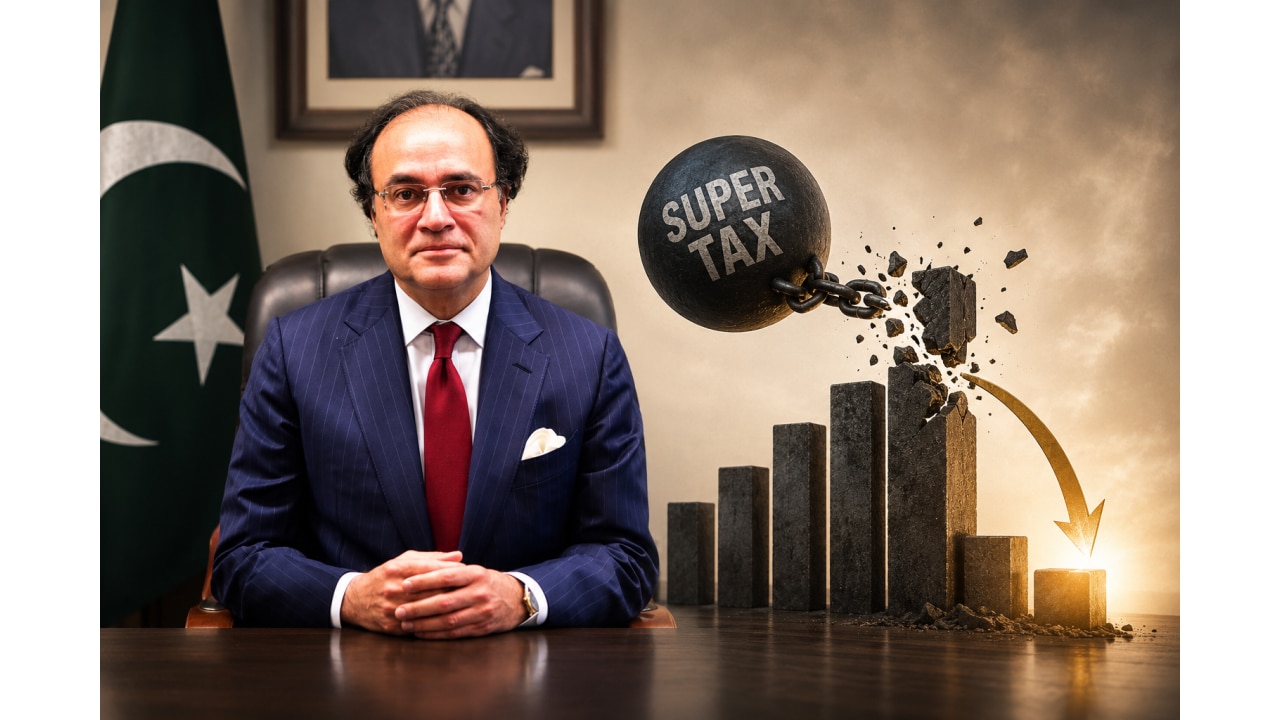
The stabilization of Pakistan’s fiscal architecture requires a calibrated transition from high-burden levies to a broader, more sustainable tax base. Finance Minister Muhammad Aurangzeb recently signaled a strategic move toward Super Tax Abolition, indicating a government commitment to phase out the levy over the coming years. This decision marks a precision-led effort to enhance system efficiency and attract high-value industrial investment.
Structural Shifts in Pakistan’s Fiscal Policy
During a session with the Senate Standing Committee on Finance, Aurangzeb clarified that the government maintains a clear trajectory toward eliminating the super tax. Consequently, authorities will focus on creating necessary fiscal space every year to facilitate further reductions. This direction aligns with the proposed tax cuts outlined in the federal budget for fiscal year 2026-27, designed to ease the financial pressure on major corporate entities.
The Roadmap to Super Tax Abolition
- Phased Reduction: The government plans a gradual withdrawal of the levy across multiple income slabs.
- Economic Catalyst: Reducing the tax burden aims to incentivize domestic and foreign direct investment.
- Revenue Balancing: Federal Board of Revenue (FBR) Chairman Rashid Mahmood Langrial noted that immediate exemptions for incomes up to Rs. 1 billion would require Rs. 250 billion in alternative revenue measures.
Originally, the state introduced the super tax as a temporary revenue-generating measure during a period of acute fiscal stress. However, it evolved into a permanent fixture that business leaders argue discourages industrial scaling. The government now acknowledges that sustainable growth depends on improvements in revenue collection rather than repetitive, high-impact levies on existing taxpayers.
The Situation Room Analysis
The Translation: Decoding Fiscal Space
In “Next Gen” clarity, “creating fiscal space” means the government is working to increase its income from other sources so it can stop relying on the super tax. By expanding the tax net to include previously untaxed sectors, the state can afford to lower the burden on established businesses without creating a budget deficit.
Socio-Economic Impact: Stimulating Local Markets
How does Super Tax Abolition change the daily life of a Pakistani citizen? When major corporations face lower tax burdens, they gain the liquidity needed to expand operations. For professionals and students, this translates into increased job opportunities and higher market competition. For households, reduced corporate costs can lead to more stable pricing for consumer goods as manufacturing overheads decrease.
The Forward Path: Momentum Shift
This development represents a Momentum Shift for Pakistan. Moving away from “emergency” tax measures signals that the economy is entering a phase of stabilization. While the FBR must remain disciplined in its collection targets, the intent to abolish the super tax provides the private sector with the predictability required for long-term strategic planning.