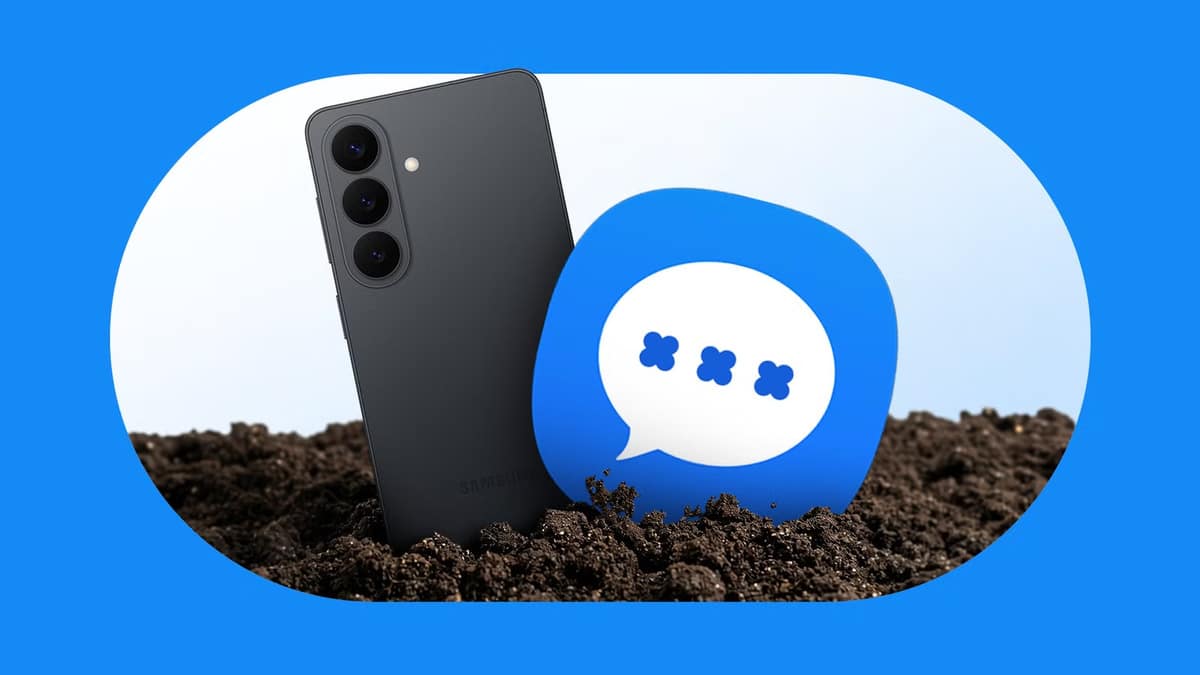
The digital infrastructure of the Samsung ecosystem is undergoing a strategic recalibration. The impending Samsung Messages deactivation, scheduled for July in the United States, signals a decisive shift toward a unified Android communication standard. Consequently, Galaxy users must proactively migrate their data to Google Messages to ensure uninterrupted SMS and RCS functionality. This move is not merely a software update; rather, it is a structural consolidation designed to streamline system efficiency across the Android platform.
Precision Migration: Why You Must Switch Manually
Unlike standard background updates, this transition requires manual intervention. Samsung has clarified that message history, RCS conversations, and media files will not transfer automatically to the new interface. Therefore, users must download Google Messages from the Play Store and configure it as the default SMS application. For those operating on Android 12 or 13, specific calibration steps are necessary to maintain database integrity during the move.
While newer models like the Galaxy S26 already omit the legacy app, older hardware remains in a transitional phase. Samsung’s official documentation emphasizes that failing to act before the July deadline will result in a loss of standard messaging capabilities, leaving only emergency service communication active within the old app.
The Translation: Breaking Down the Logic
In technical terms, Samsung is retiring its proprietary “skin” on messaging to adopt the Rich Communication Services (RCS) standard championed by Google. This removes the “fragmentation” that has historically plagued Android users. By switching, you gain access to AI-powered spam filters, Gemini-integrated assistance, and high-fidelity media sharing. Essentially, the system is moving from a localized silo to a globally synchronized protocol.
Impact on Legacy Hardware and Wearables
The scope of this deactivation extends beyond smartphones. Specifically, older Galaxy Watches running the Tizen operating system face unique challenges. Because these devices lack WearOS compatibility, they cannot support the Google Messages application. Consequently, while these users can still send and receive basic texts, their full conversation history will no longer synchronize with their wearable interface. This represents a significant baseline shift for users integrated into the Samsung hardware ecosystem.
The Socio-Economic Impact
For the Pakistani citizen—whether a student in Lahore or a professional in Karachi—this development underscores the importance of staying aligned with global tech standards. As secondary markets in Pakistan are heavily populated by imported US-variant Samsung devices, local users must remain vigilant. A sudden loss of messaging functionality can disrupt professional coordination and personal safety. Furthermore, the adoption of RCS via Google Messages will eventually reduce the reliance on third-party apps for high-quality data sharing, potentially lowering the barrier for digital commerce in rural sectors.
The Forward Path: Momentum Shift
We categorize this development as a Momentum Shift. While the manual migration is a temporary inconvenience for users, the long-term benefits of a unified, AI-enhanced messaging standard are undeniable. This move eliminates redundant software layers and accelerates the deployment of advanced security features like end-to-end encryption. It is a necessary step toward a more cohesive and precise digital frontier for all Android users.