
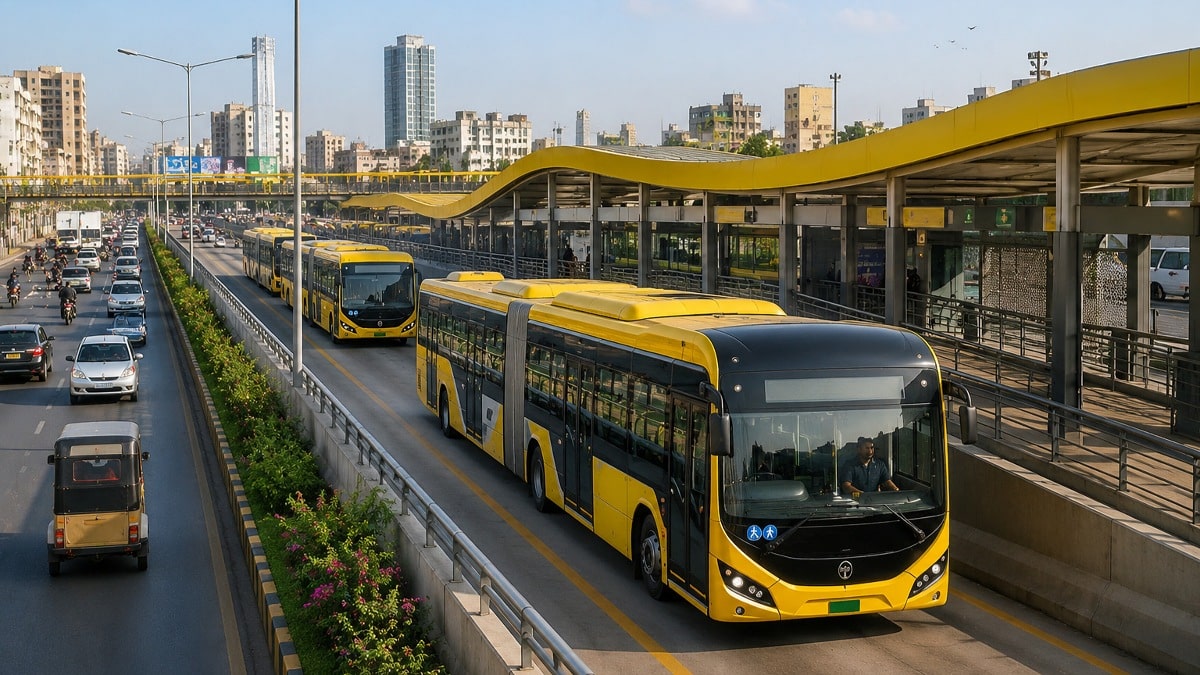
Addressing Structural Irregularities in the Yellow Line BRT
The structural integrity of a nation is often reflected in the precision of its public expenditure. Recently, the Anti-Corruption Establishment (ACE) initiated a formal case addressing systemic financial irregularities within the Yellow Line BRT project. This strategic intervention follows an inquiry into the alleged mismanagement of multi-billion rupee funds designated for Karachi’s critical infrastructure expansion. Consequently, authorities have named former Project Director Zameer Abbasi and Procurement Director Jhuman Das in the formal investigation.
The Situation Room: Financial Oversight Breakdown
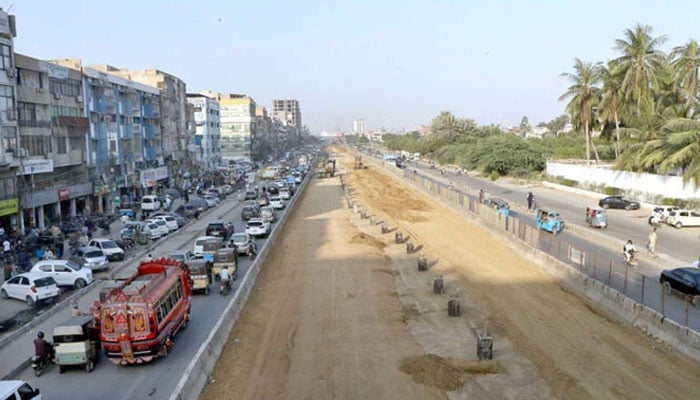
According to the official report, the allegations center on the construction of the Jam Sadiq Bridge and two associated depot projects. Specifically, the case states that contractors received payments totaling Rs. 8.5 billion without the provision of mandatory bank guarantees. This calibrated oversight created an unhedged financial exposure for the state. As a result, the national exchequer faces a potential loss of Rs. 1.25 billion due to these unsecured transactions.
The Translation (Clear Context)
In the architectural framework of public projects, bank guarantees serve as a critical safety net. They ensure that if a contractor fails to deliver, the government can reclaim the funds. By bypassing this requirement, project officials effectively handed over public capital without any collateral. This action stripped the state of its leverage, leaving taxpayers to bear the risk of contractor default or project abandonment.
The Socio-Economic Impact
How does this fiscal mismanagement affect the average Karachi citizen? Every billion lost to irregularities is a billion diverted from essential urban services. For the daily commuter, these delays translate into prolonged traffic congestion and stalled mobility. Furthermore, the potential loss of Rs. 1.25 billion could have funded significant improvements in secondary transit routes or student transport subsidies. Efficient systems require honest management to deliver real-world value to households.
The Forward Path
This development represents a necessary Stabilization Move for Pakistan’s infrastructure sector. While legal proceedings may temporarily impact project momentum, enforcing accountability is the only catalyst for long-term system efficiency. Moving forward, the government must implement automated fiscal safeguards to prevent human intervention in procurement protocols. Without these structural corrections, future transit expansions will remain vulnerable to similar systemic leakages.








