
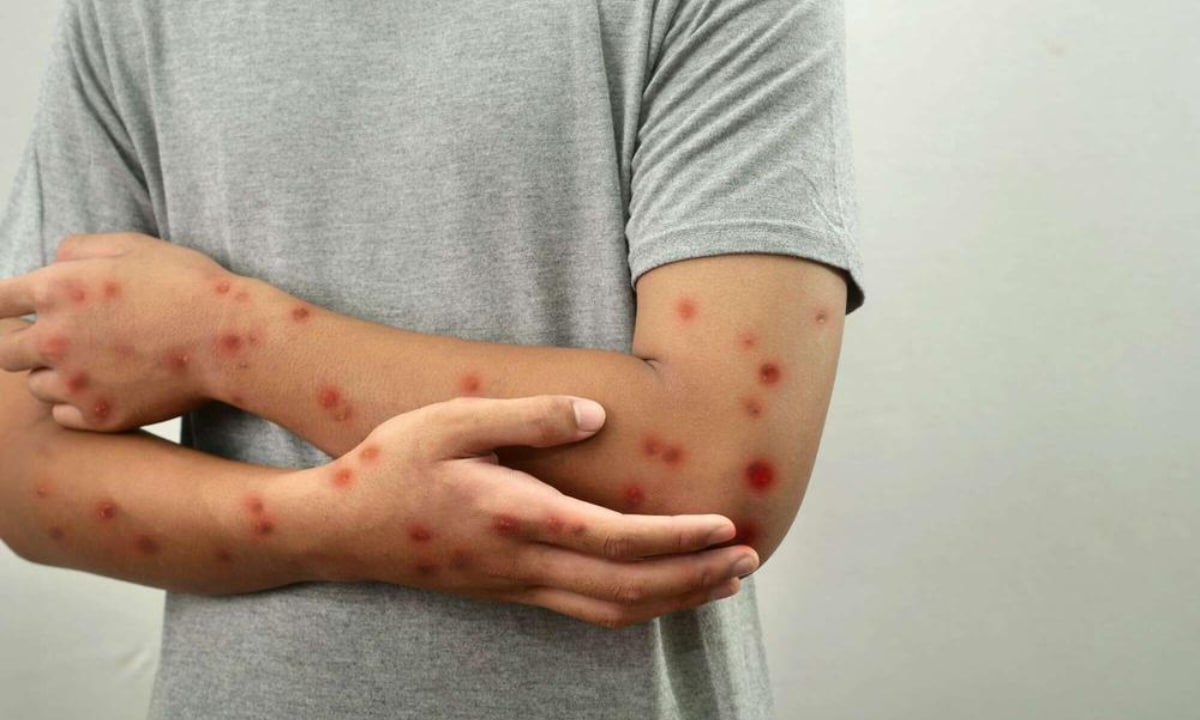
Karachi’s public health infrastructure faces a calibrated challenge as authorities confirm a new Mpox Karachi case in the Landhi district, bringing the city’s total infections to 11. This latest diagnostic data indicates a 35-year-old male resident tested positive despite having no recent travel history. Consequently, health officials have activated precision isolation protocols at the Sindh Infectious Diseases Hospital (SIDH) NIPA to mitigate further community spread.
The Strategic Reality of the Mpox Karachi Case
The patient presented symptoms on Saturday, leading to a molecular validation via PCR testing that confirmed the viral presence. Currently, eight of the city’s total cases are concentrated within the SIDH NIPA facility. Furthermore, the absence of international travel in recent cases suggest that the baseline for transmission has shifted from imported cases to internal community clusters. Authorities are now executing rigorous contact tracing to identify the catalyst of this specific infection branch.
The Translation (Clear Context)
When health officials mention “no travel history,” they are signaling that the virus is circulating locally within our urban environment. In technical terms, we are moving from sporadic imported instances to a stage of localized transmission. This structural shift means the virus is effectively utilizing our internal social networks to propagate. Therefore, the logic behind current health measures focuses on breaking these local chains rather than just monitoring border entries.
The Socio-Economic Impact
For the average Pakistani citizen, this development increases the systemic pressure on municipal health resources. In high-density areas like Landhi and Gulistan-e-Johar, the risk of rapid transmission could lead to localized movement restrictions or increased workplace absenteeism. Families may face financial strain due to the mandatory 21-day isolation periods required for recovery. Furthermore, the increased demand for diagnostic testing may reallocate funds from other essential public health services.
The Forward Path (Opinion)
This development represents a Stabilization Move. While the increase in cases is concerning, the speed of identification and the precision of the isolation response demonstrate a matured diagnostic framework. However, for a true momentum shift toward eradication, Pakistan must enhance its public awareness campaigns regarding skin-to-skin contact and hygiene baseline standards. Our health security depends on the synchronization between clinical data and public compliance.
- Total Karachi Cases: 11 Confirmed
- Primary Treatment Center: SIDH NIPA
- Focus Symptoms: Fever, Lymph Node Swelling, and Skin Rash








