
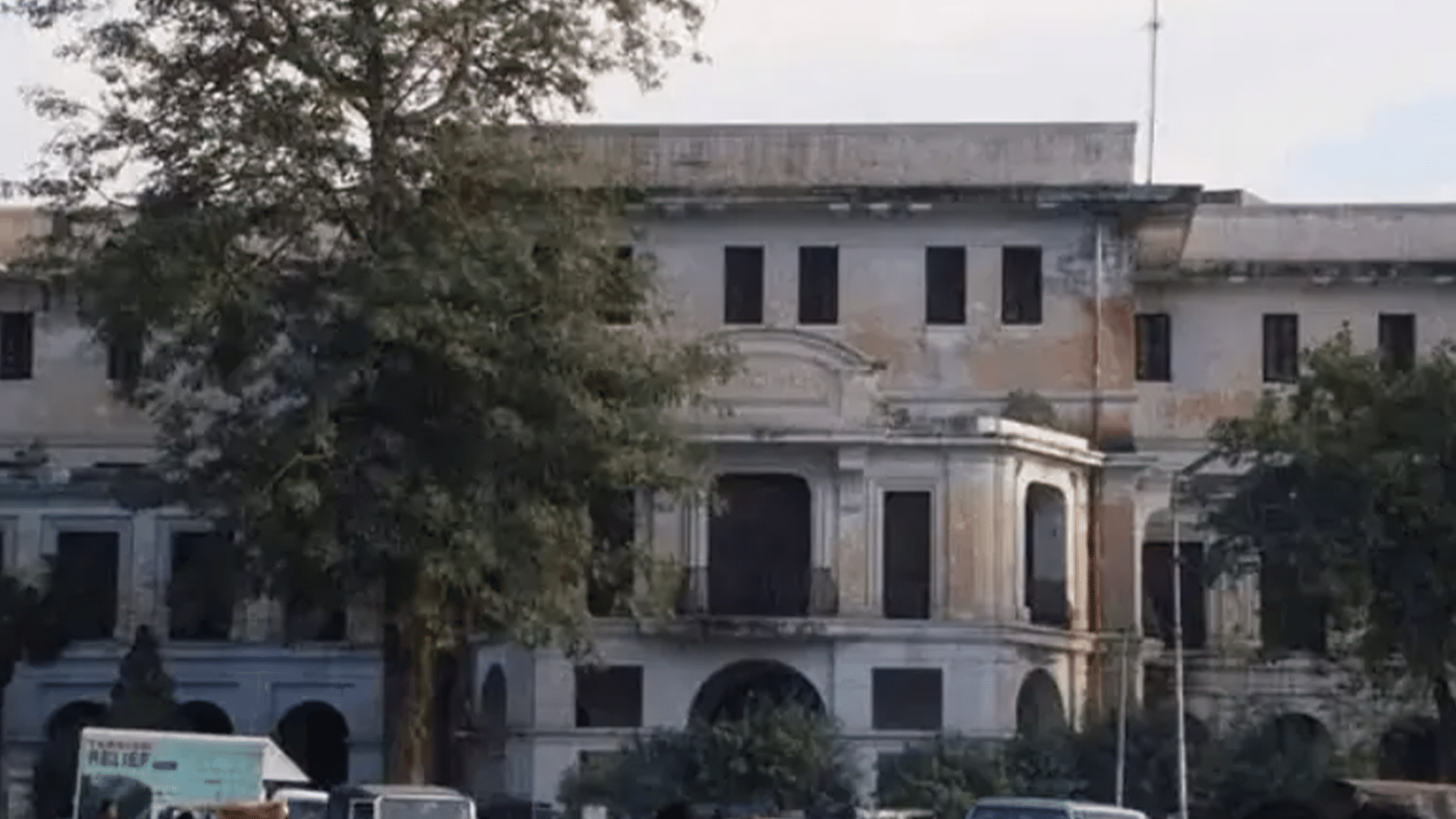
Heritage architecture serves as the structural baseline of a city’s identity, and the Ewing Hall restoration project marks a calculated shift from urban decay to architectural precision. The Lahore Heritage Areas Revival Board (LHAR) recently clarified that this historic landmark in Anarkali will not be demolished. Instead, authorities will execute a strategic preservation mandate to rehabilitate the structure, ensuring it remains a catalyst for Lahore’s cultural continuity.
The Legal Framework of Preservation
Leased originally in 1915 for student accommodation, Ewing Hall has remained functionally stagnant since 2015. During this period, the building accumulated rental liabilities exceeding Rs. 107 million. Consequently, the Board of Revenue, Punjab, initiated a calibrated legal process to address these administrative gaps. Following extensive hearings with Forman Christian College and the Higher Education Department, officials passed a formal legal order in April 2026 to resume the land in favor of the provincial government.
Strategic Rehabilitation vs. Demolition
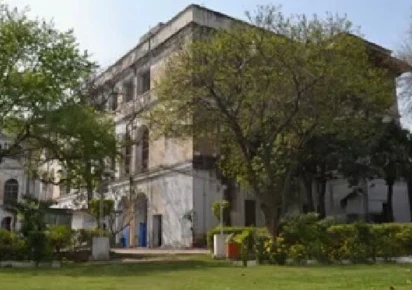
LHAR emphasizes that the Ewing Hall restoration is the result of a disciplined, multi-year legal trajectory rather than an abrupt decision. The Walled City of Lahore Authority (WCLA) and LHAR are now collaborating to implement heritage conservation principles. Their shared objective focuses on the precise maintenance and rehabilitation of historic structures. Furthermore, the board reiterated its deep respect for the legacy of Forman Christian College and the minority communities linked to the institution.
The Situation Room Analysis
The Translation
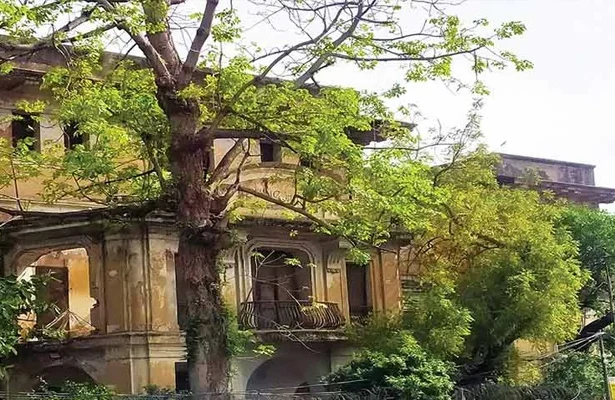
In technical terms, “land resumption” refers to the government reclaiming control over a property when lease conditions—such as financial obligations or functional usage—are not met. In this case, the shift from private lease to government control allows the state to bypass administrative gridlock. This transition ensures that the Ewing Hall restoration can proceed under a unified heritage protection framework, moving from a derelict state to a restored public asset.
The Socio-Economic Impact
For the citizens of Lahore, this restoration offers significant value:
- Cultural Capital: Restoring Ewing Hall preserves the visual history of the Anarkali district, maintaining the city’s unique architectural character.
- Economic Stimulation: Heritage sites are vital catalysts for local tourism and can increase the property value of surrounding urban blocks.
- Educational Legacy: Preserving buildings associated with institutions like FCCU ensures that the history of Pakistan’s intellectual evolution remains visible to future generations.
The Forward Path
This development represents a Momentum Shift. By prioritizing restoration over demolition, LHAR is demonstrating a sophisticated approach to urban management. Rather than clearing land for modern high-rises, the state is investing in “Cultural Infrastructure.” This precision-driven focus on rehabilitation suggests a maturing policy environment where heritage is viewed as a strategic asset for national progress.








