
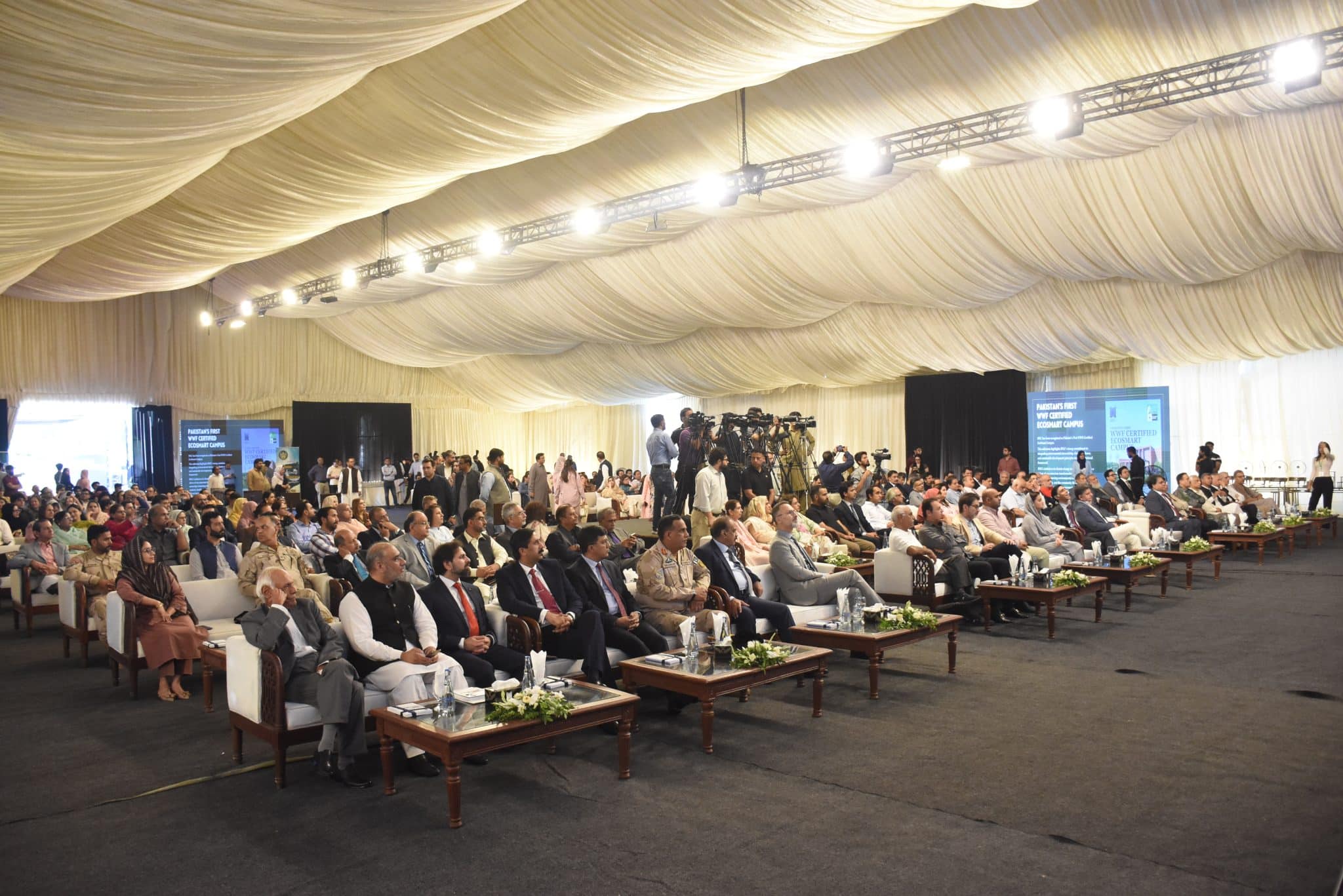
Beaconhouse National University (BNU) recently calibrated a new national standard for institutional responsibility by launching a dual-manual Campus Welfare Framework. This strategic initiative features the “From Risk to Resilience” and “Campus Care” manuals to address substance use and psychological first aid through precise, empathy-led intervention. While traditional academic structures often ignore these systemic vulnerabilities, BNU’s proactive model offers a calibrated baseline for student safety across Pakistan. Senior Minister Marriyum Aurangzeb and Education Minister Rana Sikandar Hayat endorsed this architectural shift in educational policy.
The Translation: Contextualizing the Campus Welfare Framework
The launch represents a shift from reactive punishment to structural support. Instead of focusing solely on disciplinary measures, BNU’s Campus Welfare Framework acknowledges the socio-psychological catalysts that drive students toward substance abuse. Specifically, it addresses childhood trauma, peer pressure, and the generational gap between Gen-Z and faculty. The framework establishes a “Psychological First Aid” protocol. Consequently, this transforms faculty from mere instructors into a calibrated frontline capable of identifying distress and providing immediate referrals.

Furthermore, BNU is the first university in Pakistan to document its institutional experience into a best-practice roadmap. This manual provides a catalyst for other universities to break the cycle of silence regarding drug availability. Vice Chancellor Dr. Moeed Yusuf emphasizes that structural progress is possible when leadership prioritizes empathy over enforcement. The Higher Education Commission (HEC) now intends to replicate this model nationwide.
The Socio-Economic Impact: Safeguarding National Potential
For the average Pakistani student, this transition significantly reduces the stigma associated with mental health struggles. By implementing a standardized Campus Welfare Framework, universities protect the intellectual capital of the nation. Students from diverse backgrounds now enter an environment designed for resilience rather than just academic output. Essentially, this system efficiency ensures that the next generation of professionals remains healthy and productive.
Moreover, the economic impact is profound. By reducing substance use and improving mental health, the framework prevents academic derailment and future workforce instability. Households gain security knowing that institutional safety now includes emotional safeguards. This holistic approach ensures that the investment in higher education yields stable, high-functioning citizens capable of driving Pakistan’s progress.
The Forward Path: A Momentum Shift for Pakistan
This development represents a definitive Momentum Shift in our educational landscape. By moving beyond “punitive-only” measures, BNU has provided the strategic catalyst required for systemic reform. If the HEC successfully synchronizes this model across all provinces, Pakistan will possess a calibrated defense against the drug mafia. This progress is not just an institutional achievement; it is a vital baseline for national advancement. We must now prioritize the rapid implementation of these manuals to ensure no student is left without a support structure.
- Calibrated Prevention: Roadmap for intervention and student support.
- Structural Empathy: Training staff to recognize and mitigate psychological distress.
- Systemic Resilience: Building a drug-free environment through holistic engagement.