
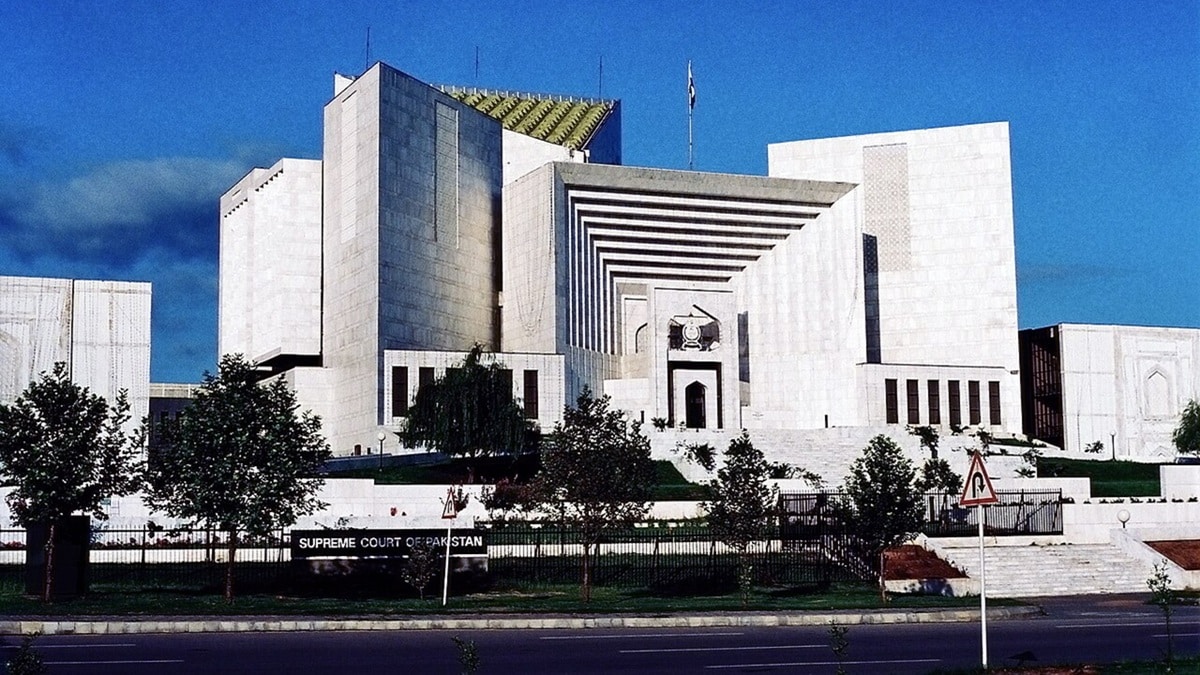
National advancement relies on the calibrated throughput of our primary legal institutions. Consequently, the Supreme Court working schedule has officially returned to its six-day baseline following a directive from Chief Justice Yahya Afridi. This decision terminates the austerity measures introduced earlier this year, signaling a strategic return to maximum operational capacity. By restoring full hours, the judiciary acts as a critical catalyst for systemic efficiency and timely legal resolution.
Strategic Shift in the Supreme Court Working Schedule
Starting June 15, 2026, the apex court will transition from its temporary four-day week back to the standard six-day rotation. Under the previous austerity policy initiated on March 10, 2026, court operations were restricted to a Monday-through-Thursday window. Furthermore, that policy had slashed petrol quotas for judges by 50% and limited security protocol vehicles. These constraints have now been revoked to ensure that judicial resources align with the growing demands of the national docket.

The restoration includes the return of full staff attendance, ending the staggered shifts previously used to minimize energy consumption. Court officials confirm that these standard procedures will streamline routine operations. Consequently, the removal of these restrictions allows the legal system to operate without the logistical bottlenecks created by the earlier cost-cutting framework.
The Translation: Breaking Down the Logic
In technical terms, the Supreme Court working schedule restoration represents a shift from “conservation mode” to “optimization mode.” While austerity measures were designed to preserve fiscal capital, they inadvertently created a “judicial latency”—a delay in the processing of cases. By restoring the two additional working days (Friday and Saturday), the court is essentially increasing its operational bandwidth by 50%. This ensures that the structural flow of legal filings and hearings remains uninterrupted.

The Socio-Economic Impact: What This Means for Pakistanis
For the average Pakistani citizen, a functioning Supreme Court working schedule is a prerequisite for social stability. When the court operates on a restricted four-day week, the backlog of cases grows, affecting everything from property disputes to corporate contracts. Restoring the six-day week directly benefits:
- Legal Professionals: Lawyers and clerks can now schedule hearings with greater frequency, reducing the time spent in litigation limbo.
- Rural Litigants: Families traveling from distant provinces gain more opportunities for their cases to be heard, reducing the “dead time” spent waiting for court re-openings.
- Economic Stability: Faster judicial resolution provides the “contractual certainty” that businesses need to invest in the Pakistani market.

The Forward Path: A Momentum Shift
Next Generation Pakistan views this development as a significant Momentum Shift. While energy conservation is a noble baseline, it should never come at the expense of systemic justice. The restoration of the full work week suggests that the current leadership prioritizes institutional output over marginal utility savings. This move creates a precision-driven environment where the legal system can once again keep pace with the rapid evolution of our society.








