
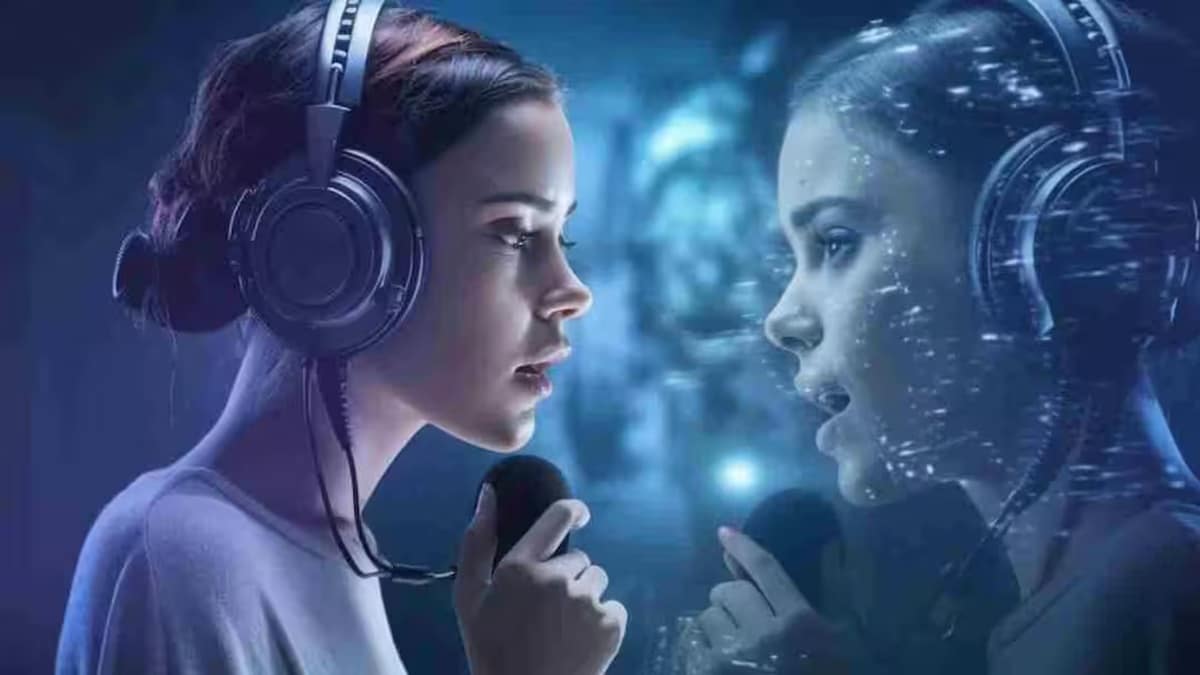
The structural integrity of digital identity represents a baseline requirement for national advancement in the age of synthesis. Consequently, the Punjab government recently introduced a draft for comprehensive AI protection laws titled the Punjab Performers’ Digital Identity and Artificial Intelligence (AI) Protection Act 2026. This legislative catalyst aims to secure the voices, faces, and likenesses of performers against unauthorized digital replication. By establishing clear legal boundaries, the state creates a calibrated framework to prevent the exploitation of human identifiers by generative systems. This development signals a critical shift toward protecting human creativity in a rapidly evolving technological landscape.
The Translation: Deciphering the Digital Identity Framework
This act effectively transforms a performer’s biological data into protected intellectual property. Under these AI protection laws, any unauthorized synthesis of a person’s voice, facial features, or gestures becomes a criminal offense. Specifically, the law targets voice cloning, political deepfakes, and fake endorsements created without explicit authorization. Furthermore, the draft mandates that studios and producers obtain written, specific consent before deploying any digital replica. This precision ensures that performers maintain total control over their synthetic counterparts in all media formats.
The Socio-Economic Impact: Protecting the Creative Workforce
For the average Pakistani professional in the creative sector, this legislation provides a vital economic safety net. It prevents the unauthorized “automation” of talent, which previously threatened the livelihood of actors and voice-over artists. Moreover, the establishment of a Digital Rights Registry will streamline royalty payments and formalize digital labor agreements. Strategically, this protects the younger generation of creators from predatory contracts that seek “forever” rights to their human likeness. Consequently, household stability for performers increases as their primary assets—their identity and talent—receive formal legal protection.
Calibrating Digital Security via AI Protection Laws
Enforcement mechanisms within the act are notably stringent to ensure high compliance across the industry. Violators face up to three years of imprisonment and significant financial penalties totaling millions of rupees. Notably, the act extends these protections to minors under 18 and provides a 25-year post-mortem protection period for deceased artists. This long-term vision ensures that the legacy of Pakistan’s cultural icons remains untainted by unauthorized AI manipulation. Such measures establish a secure environment for digital innovation while maintaining strict ethical baselines.
Industry Response and the Hira Tareen Precedent
The urgency for this law accelerated after actor Hira Tareen highlighted predatory clauses in recent drama contracts. She revealed that standard agreements were quietly attempting to seize ownership of her facial gestures and voice “forever.” In response, a delegation of prominent artists, including Shamoon Abbasi and Faysal Quraishi, collaborated with the Punjab government to refine these protections. Their collective advocacy highlights the necessity of human-centric legal oversight in the entertainment sector. This dialogue ensures the final bill addresses the real-world vulnerabilities of Pakistan’s artistic community.

The Forward Path: A Momentum Shift
This legislative move represents a definitive Momentum Shift for Pakistan’s digital ecosystem. By transitioning from a reactive to a proactive legal posture, Punjab is setting a national standard for synthetic media regulation. This move stabilizes the industry and encourages ethical AI adoption. Ultimately, it ensures that technological progress does not come at the expense of individual sovereignty or creative dignity.








