Achieving structural efficiency in public utility management requires a calibrated transition to digital-first financial systems. Consequently, Zindigi (JS Bank) and WASA Lahore have integrated Raast QR payments to catalyze the Punjab Chief Minister’s Smart City vision. This strategic collaboration streamlines utility billing by leveraging the national Raast gateway, enabling residents to settle accounts via any mobile banking application instantly.
The implementation of this precision-driven payment solution ensures a faster, more secure, and hassle-free experience for the citizens of Lahore. Furthermore, the partnership reflects a shared commitment to advancing a cashless economy through innovative financial technology.
Modernizing Public Service Delivery
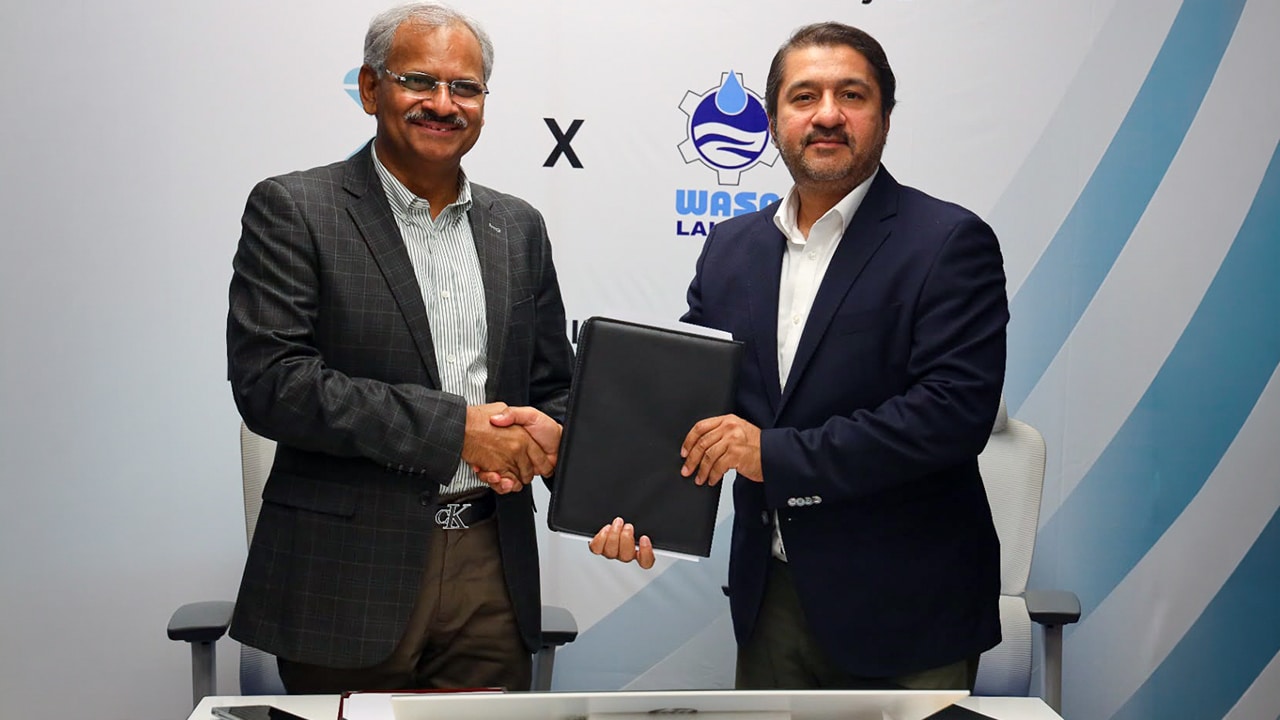
The agreement was formalized during a high-level signing ceremony at the WASA Lahore Head Office. Senior leadership from both sectors attended, including Mr. Ghufran Ahmed, Managing Director of WASA Lahore, and Mr. Atif Ishaque, Chief Business Officer of Zindigi. The officials emphasized that the move reduces processing time and operational costs while maximizing accessibility for all demographics.
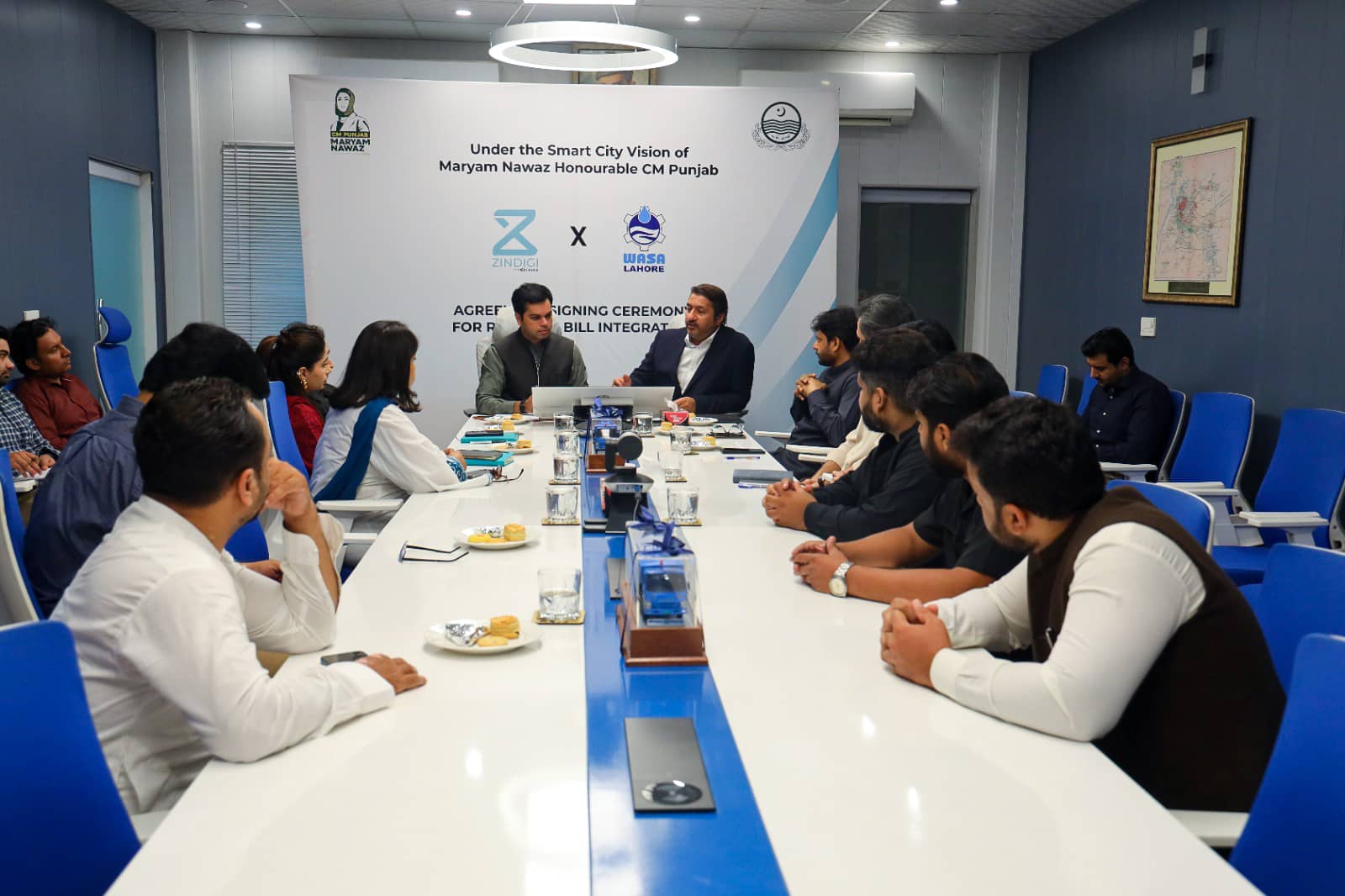
Mr. Ghufran Ahmed stated that WASA continues to prioritize technological transformation to enhance the citizen experience. Similarly, Mr. Mudasser Javaid highlighted that Raast QR payments represent a baseline for future smart city developments in Punjab. This integration effectively removes the friction associated with traditional cash-based transactions.
The Situation Room: Strategic Analysis
The Translation (Clear Context)
While “Raast QR” may sound technical, it represents the standardization of digital payments in Pakistan. Previously, users often needed specific bank apps to pay specific bills. Now, the system uses a universal QR code that any banking app can read. This interoperability removes the silos between financial institutions and public utilities, creating a unified digital ecosystem.
The Socio-Economic Impact
For the average Pakistani citizen, this development saves hours previously spent in physical bank queues. The precision of real-time Raast QR payments means instant confirmation of bill settlement, protecting households from service disruptions due to delayed reporting. Economically, this shifts the informal cash economy into the documented financial system, providing more data for future infrastructure planning.
The “Forward Path” (Opinion)
This initiative represents a significant Momentum Shift. While many government departments remain tethered to paper-based legacy systems, WASA Lahore’s adoption of Raast technology serves as a blueprint for national advancement. We expect this model to expand beyond water utilities into property taxes and other municipal services, accelerating Pakistan’s journey toward a fully functional digital state.