
Pakistan is poised to revolutionize its financial landscape. The nation plans to tokenize government debt, aiming to attract a broader spectrum of investors and modernize its public debt market. This strategic move could introduce unprecedented opportunities for retail participants.
Khurram Schehzad, Adviser to the Finance Minister, recently announced this ambitious initiative. The Ministry of Finance intends to tokenize up to $2 billion of domestic government debt in its initial phase. Significantly, this phase will primarily focus on enabling active retail investor participation.
This groundbreaking plan was unveiled during ITCN Asia, one of Pakistan’s largest annual technology exhibitions. Here, policymakers and industry leaders gathered to explore emerging technologies and critical financial innovations. Consequently, the event served as a crucial platform for discussing the future of Pakistan’s digital economy.
Understanding Tokenization: How Pakistan Will Tokenize Government Debt
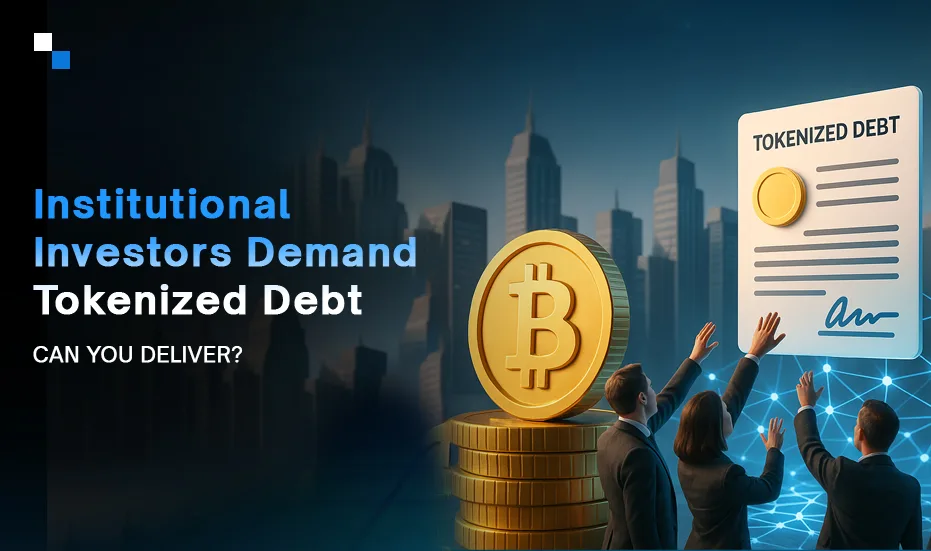
Tokenization involves converting traditional financial assets, such as government bonds, into digital tokens. These tokens are securely recorded on a blockchain. Furthermore, these digital assets can be efficiently bought, sold, and held electronically. This process significantly reduces transaction costs while enhancing market transparency.
Moreover, tokenization opens access to investors often excluded from traditional institutional debt markets. This democratized access is a cornerstone of Pakistan’s strategy to foster a more inclusive financial system. Mr. Schehzad emphasized that this initiative will both broaden investor access and modernize Pakistan’s debt ecosystem, paving the way for a robust Pakistan digital finance future.
“The Ministry of Finance has planned to tokenize a portion of domestic debt worth $2 billion in the first phase, primarily targeting retail investors,” Schehzad affirmed at the forum. This commitment highlights the government’s dedication to financial innovation.
Implications for Pakistan’s Financial Future and Retail Investor Participation

The government increasingly utilizes events like ITCN Asia to outline its early policy thinking on digital finance, artificial intelligence, and next-generation technologies. However, officials caution that many initiatives currently remain at an exploratory stage, preceding formal implementation. This careful approach ensures robust frameworks are in place.
If successfully executed, this move could mark a monumental shift in how Pakistan raises and manages public debt. It presents the potential to integrate blockchain-based instruments directly into the country’s financial system. Consequently, this expansion will broaden participation beyond traditional banks and large institutions, fostering greater retail investor participation.

Ultimately, Pakistan is venturing into a new era of digital economics. This bold step aims to build a more accessible, transparent, and efficient debt market. It underscores a commitment to embracing innovation for economic growth and stability.