

The Pakistani government recently executed a calibrated fiscal maneuver by abolishing customs duties on over 100 pharmaceutical raw materials to ensure cheaper cancer medicines. Consequently, this structural change targets Active Pharmaceutical Ingredients (APIs) to decrease systemic production costs. By prioritizing the domestic pharmaceutical sector, authorities aim to bridge the gap between high import dependency and national healthcare security.
Achieving Structural Efficiency for Cheaper Cancer Medicines
For years, industry stakeholders demanded duty relief to combat the rising trajectory of medicine prices. Furthermore, the previous tax regime placed a heavy import burden on manufacturers, which inevitably trickled down to the patient. By removing these financial barriers, the government has created a catalyst for increased production efficiency. Manufacturers now possess the fiscal room to optimize their supply chains and scale up the output of life-saving drugs.
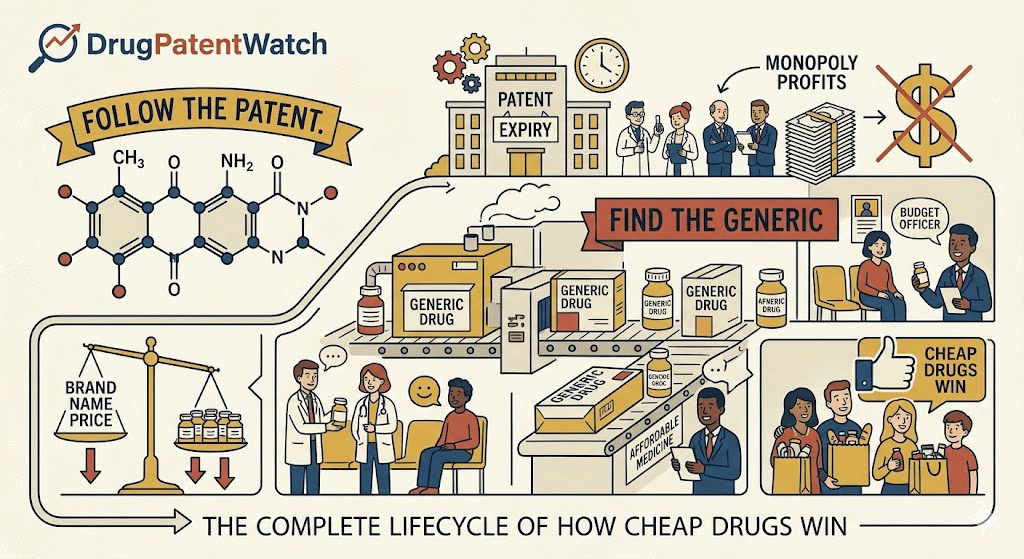
The Translation: Breaking Down the Duty Abolition
In technical terms, the government “zero-rated” the customs duty on specific chemical precursors. Essentially, this means the raw ingredients required to “cook” the medicine are now cheaper to bring into the country. Consequently, the logic is simple: lower input costs should lead to lower retail prices. Instead of taxing the process of creation, the state is now subsidizing the baseline of healthcare production.
Socio-Economic Impact: Relief for the Pakistani Household
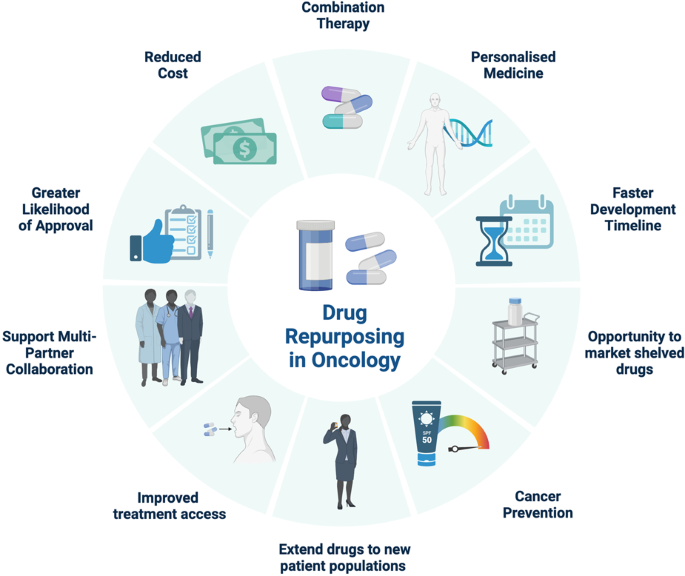
This policy directly influences the daily lives of thousands of Pakistani citizens fighting chronic illnesses. For a middle-class family, the cost of oncology treatment often represents a catastrophic financial burden. Therefore, cheaper cancer medicines offer more than just health; they provide economic stabilization for the household. Professionals and students alike will benefit from a more resilient healthcare system that prioritizes affordability over short-term tax revenue.
The Forward Path: A Strategic Momentum Shift
We categorize this development as a significant Momentum Shift for Pakistan’s industrial landscape. While duty relief is a precision tool, its success depends on the pharmaceutical industry passing these savings directly to the consumer. If properly regulated, this move could transform Pakistan into a regional hub for generic drug manufacturing. Ultimately, we are seeing a shift from reactive procurement to proactive, structural self-reliance.








