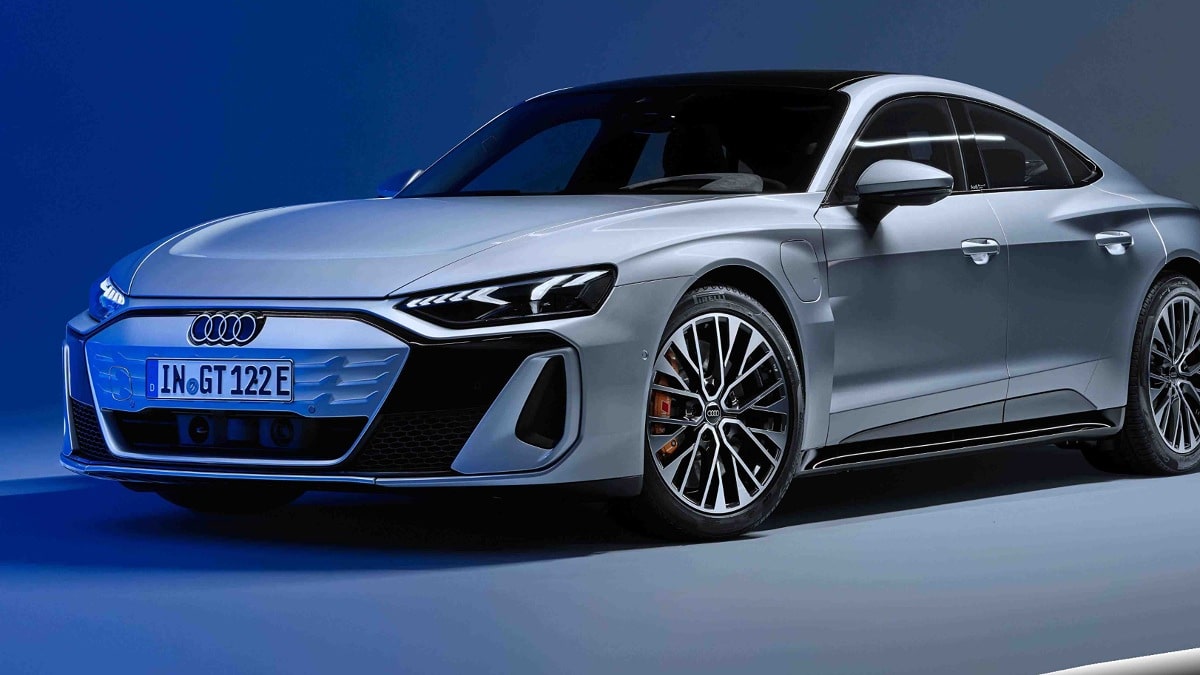
Pakistan’s automotive landscape is entering a period of calibrated fiscal adjustment. In the budget proposal for FY2026-27, the federal government introduced a tiered system for Pakistan luxury car taxes and electric vehicle (EV) incentives. This move aims to balance the promotion of sustainable mobility with the necessity of revenue generation from high-capital consumption. By extending exemptions for local assembly while penalizing high-value imports, the state is signaling a transition toward industrial localization and precision-targeted taxation.
The Translation: Decoding the Fiscal Logic
The government is essentially implementing a “wealth-targeted” tax model. While the baseline exemption for importing electric vehicle kits (CKD) remains until 2027, the focus has shifted to finished luxury units. This means the state is protecting local assemblers while making imported high-status symbols significantly more expensive. Consequently, the cost of entry for luxury mobility is no longer a flat rate but a sliding scale based on the vehicle’s market value and engine displacement.
New Duty Structure for Electric Vehicles (CBU)
Imported electric vehicles for personal use will now fall into three distinct tax brackets based on their monetary value:
- Value up to Rs. 20 million: Remains duty-free to encourage the adoption of mid-range sustainable tech.
- Value between Rs. 20 million and Rs. 30 million: Subject to a 30 percent duty.
- Value exceeding Rs. 30 million: Subject to a 40 percent duty.
Impact on Internal Combustion Engines (ICE)
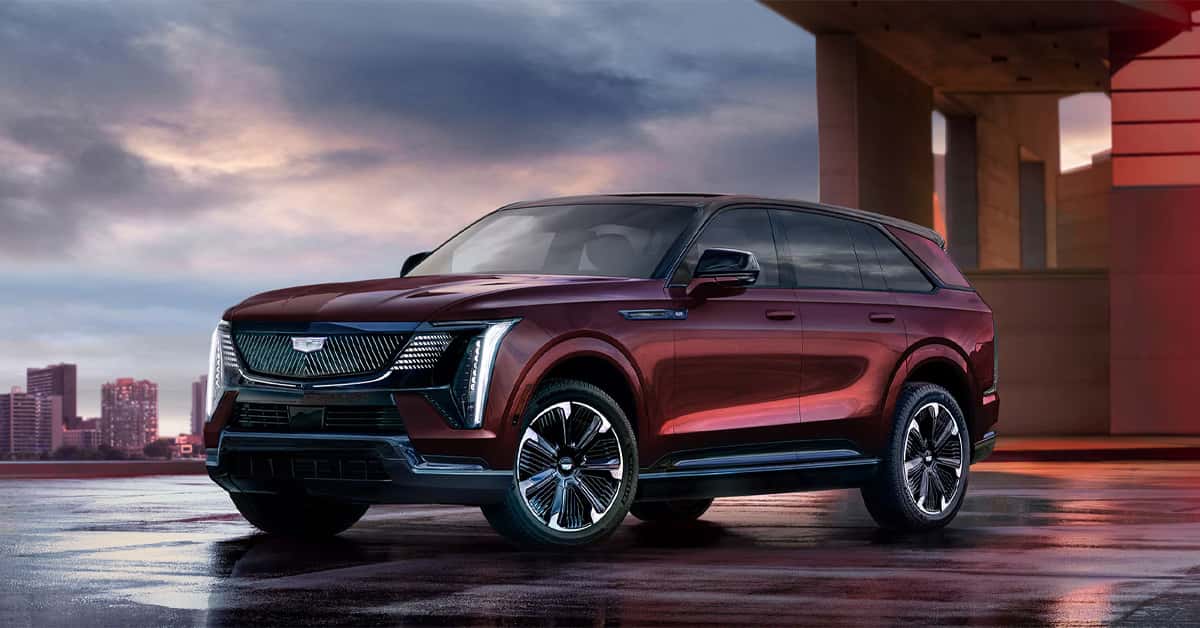
The budget does not ignore traditional high-capacity vehicles. The Federal Excise Duty (FED) on imported SUVs and luxury sedans has been recalibrated to discourage large-engine imports that drain foreign exchange reserves.
- 2000cc to 3000cc Engines: These vehicles will face a 40 percent ad valorem FED.
- Above 3000cc Engines: These high-displacement vehicles are now subject to a 41 percent ad valorem FED.
The Socio-Economic Impact
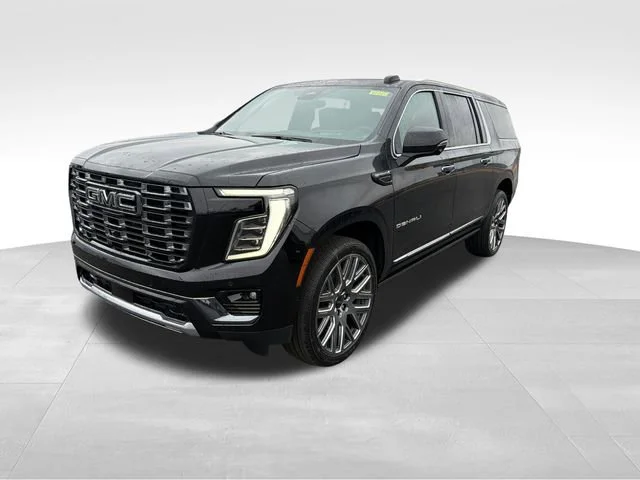
How does this change the daily life of a Pakistani citizen? For the average professional or household, the impact is indirect but significant. By maintaining duty-free status for EVs under Rs. 20 million, the government keeps the “entry-level” green market accessible for upper-middle-class urban dwellers. However, the surge in Pakistan luxury car taxes for high-end units will likely reduce the variety of luxury options available in the local market, potentially driving up the resale value of existing luxury inventory. Furthermore, the increased revenue from these duties is intended to stabilize the national baseline, theoretically reducing the fiscal burden on essential commodities.

The Forward Path: Momentum Shift or Stabilization?
This development represents a Momentum Shift toward a more sophisticated automotive economy. The decision to extend CKD exemptions until 2027 provides a strategic runway for local manufacturers to stabilize their operations. While the high duties on luxury imports may seem restrictive, they are a necessary catalyst for reducing the trade deficit. For Pakistan to achieve long-term system efficiency, the focus must remain on localized production rather than the consumption of imported luxury assets. This policy forces the market to choose between domestic value-addition and expensive foreign imports.