
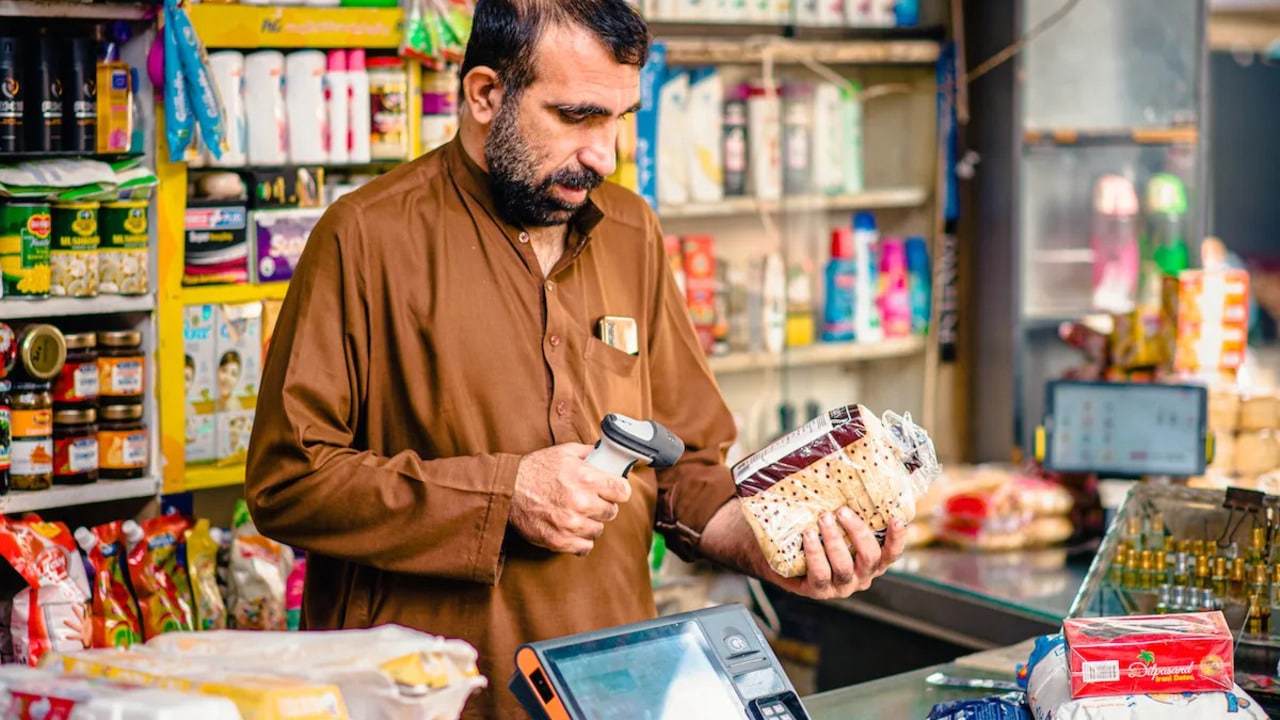
The Federal Government recently proposed a calibrated Fixed Tax System under Section 99B of the Income Tax Ordinance to modernize the nation’s fiscal framework. This strategic move targets small retailers with annual sales below Rs. 10 million, mandating a precise 0.5% tax on total turnover. Consequently, this initiative seeks to integrate the informal retail sector into the documented economy with minimal friction.
Optimizing Compliance within the Fixed Tax System
Under this new structural baseline, eligible retailers will enjoy significant administrative relief. Specifically, the government confirmed that businesses participating in this scheme will bypass traditional audits entirely. Furthermore, these entities no longer need to install expensive point-of-sale (POS) hardware or act as withholding agents for their purchases. Instead, they will contribute a minimum annual payment of Rs. 25,000 during their statement filing.
Transparency Through Digital Precision
The FBR plans to deploy a sophisticated color-rating system to ensure system efficiency. Every verified shop will display a unique QR code, allowing for real-time digital verification of their tax status. Moreover, the government will provide simplified monthly statements and return forms in various local languages. This linguistic inclusivity ensures that the Fixed Tax System remains accessible to all citizens, regardless of their primary tongue.
The Situation Room Analysis

The Translation (Clear Context)
The logic behind Section 99B is the elimination of bureaucratic bottlenecks. By establishing a fixed rate of 0.5%, the state replaces complex, high-friction accounting with a predictable fiscal formula. This allows small business owners to focus on operational growth rather than navigating intricate tax codes or fearing arbitrary audits.
The Socio-Economic Impact
This development directly improves the daily lives of Pakistani shopkeepers by reducing “compliance anxiety.” For households, this could lead to more stable consumer prices, as retailers face fewer hidden costs. Additionally, the digital integration of QR codes and weightage for digital payments catalyzes a broader shift toward a transparent, cashless economy in both urban and rural centers.
The “Forward Path” (Opinion)
This policy represents a definitive Momentum Shift. By lowering the entry barrier for tax documentation, the government is building a sustainable bridge between the informal market and the national treasury. It is a strategic move toward a higher-fidelity economic dataset that will eventually stabilize Pakistan’s broader financial architecture.
Key Takeaways for Retailers
- Eligibility: Only businesses with annual sales under Rs. 10 million qualify.
- Tax Rate: A calibrated 0.5% of annual sales.
- Adjustments: Retailers may adjust withholding tax against their total liability.
- Transparency: Mandatory QR code verification and shop color-ratings.








