
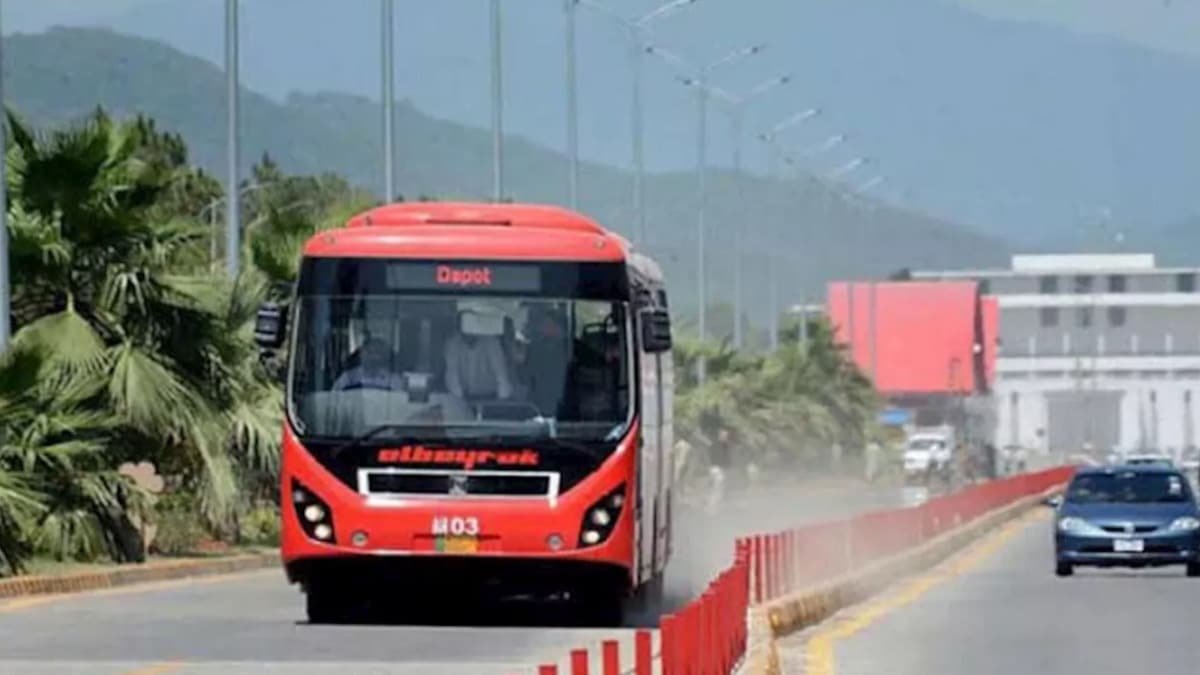
Critical Alert: Metro Bus Service Suspended Across Islamabad
Authorities recently confirmed that the Metro Bus service suspended operations across the entire federal capital today. This strategic shutdown serves as a preemptive measure to mitigate risks associated with planned demonstrations by government employees. Consequently, thousands of citizens who rely on this baseline transit infrastructure must now seek alternative transport solutions during this temporary gridlock.
The Translation: Deconstructing the Suspension Logic
Strategic asset protection often necessitates the abrupt cessation of public utilities to ensure structural integrity. In this instance, the government interpreted intelligence regarding employee protests as a significant risk factor for infrastructure damage. Rahman Bajwa, a prominent leader of the government employees, noted that the administration prioritized the safety of national assets over immediate operational continuity. Therefore, the decision represents a calibrated attempt to prevent physical damage to the multi-billion rupee transit system.
The Socio-Economic Impact: Precision Disruptions
The suspension of a primary transit artery triggers a ripple effect across the city’s economic landscape. When the Metro Bus service suspended its routes, it immediately compromised the mobility of Islamabad’s workforce. The impact on the average citizen includes several critical factors:
- Financial Strain: Commuters must pivot to private ride-sharing services, which significantly increases daily travel expenditures.
- Productivity Loss: Extended travel times and road congestion lead to a measurable drop in workforce operational efficiency.
- Structural Fragility: Students and essential healthcare workers face extreme difficulty reaching their destinations on time.
The Forward Path: A Stabilization Move
From a strategic standpoint, this development represents a Stabilization Move. While the government successfully protected physical assets from potential unrest, the lack of a contingency transit plan highlights a systemic vulnerability in our urban planning. Precision governance requires a balance between security protocols and the uninterrupted flow of the populace. Moving forward, authorities must develop secondary transit loops to ensure that a single protest does not paralyze the entire city’s mobility grid. Constructive progress depends on building a transit network that is as resilient as it is efficient.








