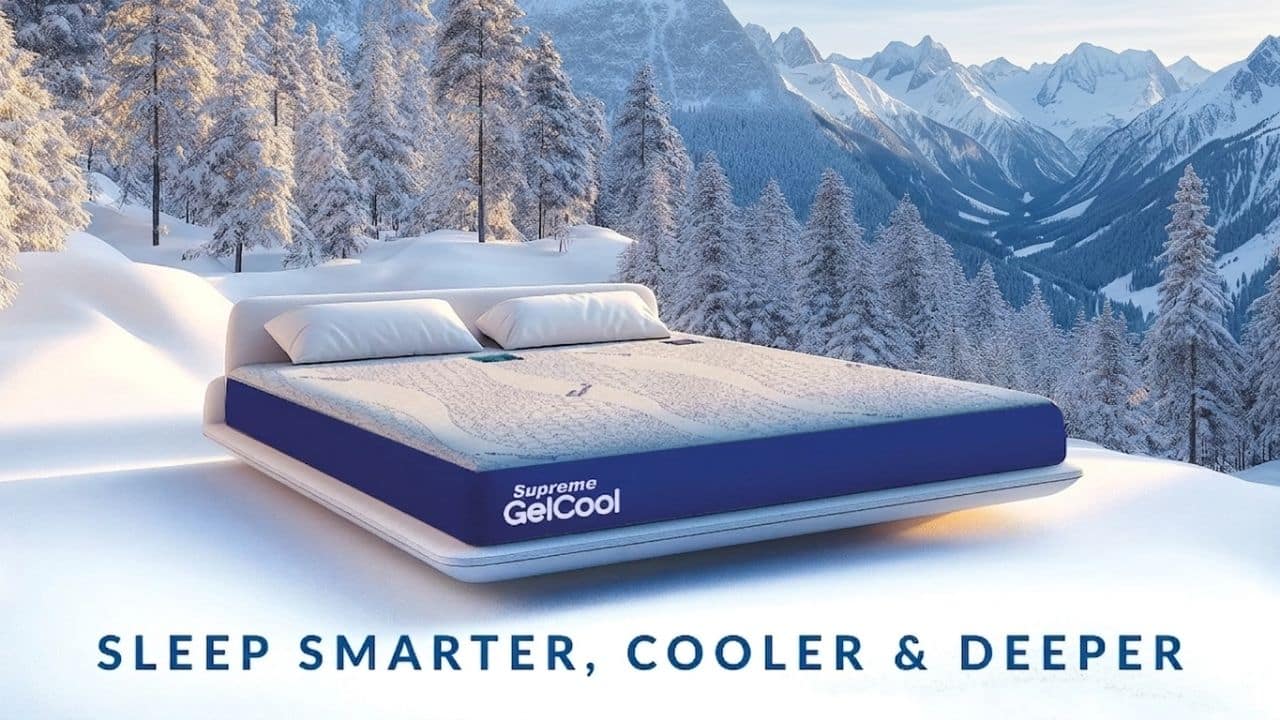
As 2026 temperatures exceed a staggering 45°C baseline, the adoption of cooling mattresses Pakistan has shifted from a luxury preference to a structural necessity for urban survival. While air conditioning units calibrate the room’s ambient air, they often fail to address the conductive heat trapped between the sleeper and the mattress surface. Consequently, achieving restorative sleep requires a calibrated sleeping surface that actively manages thermal energy rather than absorbing it.
What This Means for Our Digital Frontier: The Translation
To understand the logic of cooling mattresses Pakistan, we must differentiate between active cooling and passive thermal regulation. These mattresses do not operate as refrigeration units; instead, they function as high-efficiency heat exchangers. By utilizing Phase Change Materials (PCMs) and open-cell foam architectures, these systems move thermal energy away from the body. This precision engineering ensures that even when external temperatures peak, the microclimate of your bed remains neutral, preventing the “heat-trap” effect that disrupts REM cycles.
Why Cooling Mattresses Pakistan Are Essential for Thermal Regulation
Traditional foam mattresses act as high-density insulators, effectively functioning like a thermal battery that stores body heat throughout the night. This structural flaw leads to “night sweats,” even in climate-controlled rooms. In contrast, cooling mattresses Pakistan utilize three distinct layers of engineering: thermal absorption via gel beads, kinetic circulation through open-cell structures, and advanced moisture evaporation. This triple-action approach ensures that heat is dissipated at the same rate it is produced by the human body.

Analyzing the 2026 Cooling Foam Trends
- Gel-Infused Beads: These microscopic particles act as localized heat sinks, pulling warmth away from the skin immediately upon contact.
- Adaptive PCM Technology: These materials absorb heat during peak temperature windows and release it only when the environment cools, maintaining a steady state.
- Hybrid Airflow Systems: Combining pocket springs with breathable foam maximizes the volumetric flow of air, ensuring no stagnant heat remains in the mattress core.
| Foam Technology | Temp Reduction | Best For… |
|---|---|---|
| Traditional Foam | 0°C | Budget/Cold Climates |
| Gel-Infused Foam | 1°C to 3°C | Standard Summer Use |
| Phase Change (PCM) | 3°C to 4°C | Extreme Heat Resistance |
| Hybrid (Foam + Coil) | 4°C to 5°C+ | Maximum Airflow Efficiency |
The Socio-Economic Impact: Sleep as a Catalyst for National Growth
The heatwave of 2026 is more than a climate event; it is a productivity crisis for the Pakistani workforce. When students and professionals suffer from heat-induced sleep deprivation, the national economic output experiences a measurable decline. By integrating cooling mattresses Pakistan into households, we stabilize the health of the primary demographic. Improved sleep efficiency leads to enhanced cognitive function, lower healthcare costs associated with exhaustion, and a more resilient urban population.

The “Forward Path”: An Expert Perspective
This development represents a Momentum Shift in how Pakistan approaches domestic infrastructure. We are moving away from reactive cooling (heavy AC usage) toward proactive structural efficiency. Brands like Diamond Supreme Foam are setting a high baseline with 12-year warranties, signaling that thermal durability is the new market gold standard. Investing in these technologies is a strategic move for long-term physiological and financial stability.
Frequently Asked Questions
Does a cooling mattress require electricity?
No. These systems utilize passive thermodynamic principles and material science to regulate temperature without external power sources.
What bedding works best with cooling foam?
To maintain the system’s efficiency, use highly breathable fabrics like 100% cotton or bamboo. Synthetic materials can block the airflow required for thermal dissipation.