
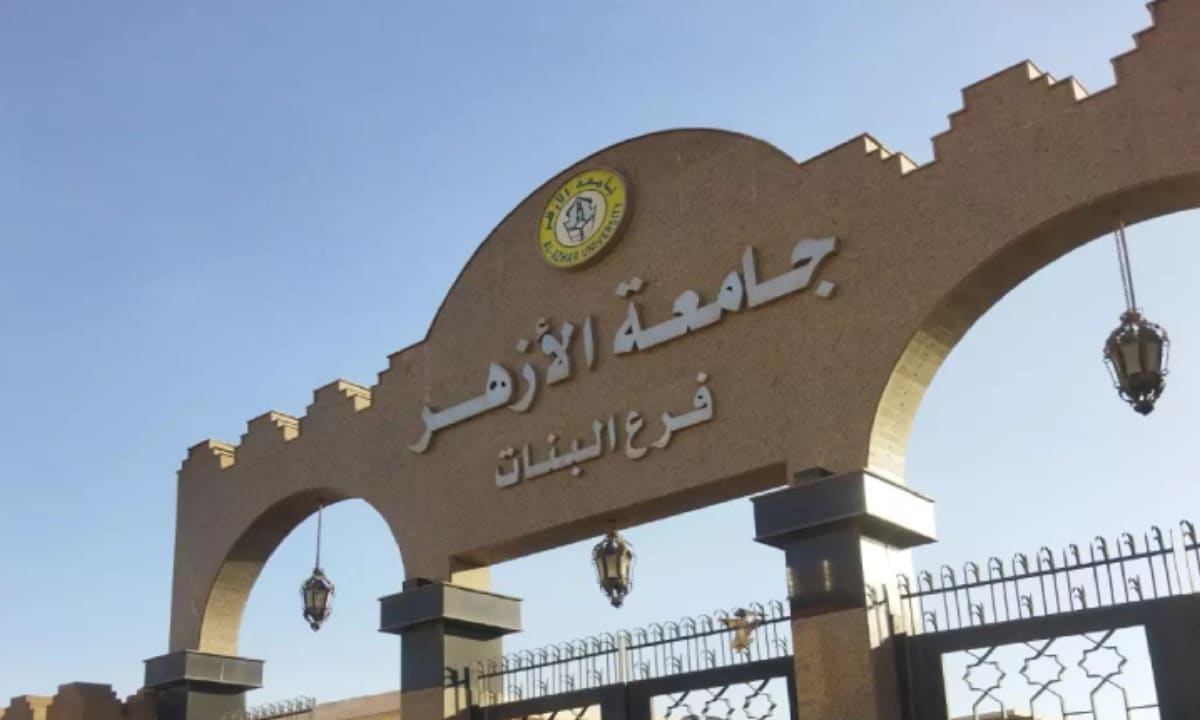
Educational diplomacy serves as a calibrated catalyst for national intellectual growth. The Higher Education Commission (HEC) recently confirmed a strategic expansion of the Al-Azhar University Scholarships program. Consequently, the available seats for Pakistani students have increased from 30 to 50. This initiative specifically targets candidates for the Bachelor’s Program in Shari’ah Sciences (Islamic Studies), facilitating advanced learning at Egypt’s most prestigious institution.
Eligibility and Academic Standards
Precision in academic background is mandatory for this cycle. Applicants must hold Pakistani or AJK nationality. Furthermore, they must possess verified qualifications in Shari’ah Sciences, Islamic Studies, Shahadat-ul-Alamiya, or Dars-e-Nizami. The HEC emphasizes that the Egyptian authorities will not consider candidates with qualifications outside these specific religious disciplines. Therefore, applicants must ensure their degrees align with the structural requirements set by Al-Azhar University.

Al-Azhar University Scholarships: Application Protocol
Candidates must navigate a dual-submission process. First, students must register via the Al-Azhar University International Students Portal. Following the digital registration, applicants must submit two sets of attested hard copies to the Diplomatic Enclave in Islamabad. The deadline for all submissions is June 29, 2026. Consequently, HEC advises early filing to avoid systemic delays, as the commission will strictly reject incomplete dossiers.
Required Documentation Checklist
- Attested academic transcripts and certificates.
- Valid Pakistani Passport and Birth Certificate.
- Updated Medical and Character Certificates.
- Recent passport-size photographs.
- No Objection Certificate (NOC) where applicable.
The Translation: Contextualizing the Expansion
This development is more than a numerical increase in seats; it represents a deepening of the “Knowledge Corridor” between Pakistan and Egypt. By expanding the Al-Azhar University Scholarships, the HEC is standardizing the flow of specialized theological and legal expertise. This move ensures that Pakistani scholars are calibrated to global standards of Islamic jurisprudence and classical philosophy, bridging the gap between traditional learning and international academic frameworks.
The Socio-Economic Impact
For the average Pakistani student, this expansion democratizes access to high-tier international education. This shift significantly reduces the financial barriers associated with global study, as these scholarships are designed to support talented individuals from diverse economic backgrounds. Urban and rural students alike gain a platform to transform into specialized professionals. Ultimately, this builds a baseline of intellectual capital that strengthens the social fabric of Pakistan upon their return.
The Forward Path: Strategic Analysis
This development represents a Momentum Shift. While the increase to 50 seats is incremental, the persistence of this collaboration during a period of global economic tightening signals a robust commitment to bilateral progress. We view this as a strategic move to fortify Pakistan’s academic presence in the MENA region. Looking ahead, the focus must remain on ensuring that the selection process remains meritocratic to maximize the return on this educational investment.








