A Strategic Catalyst for Pakistan Cricket
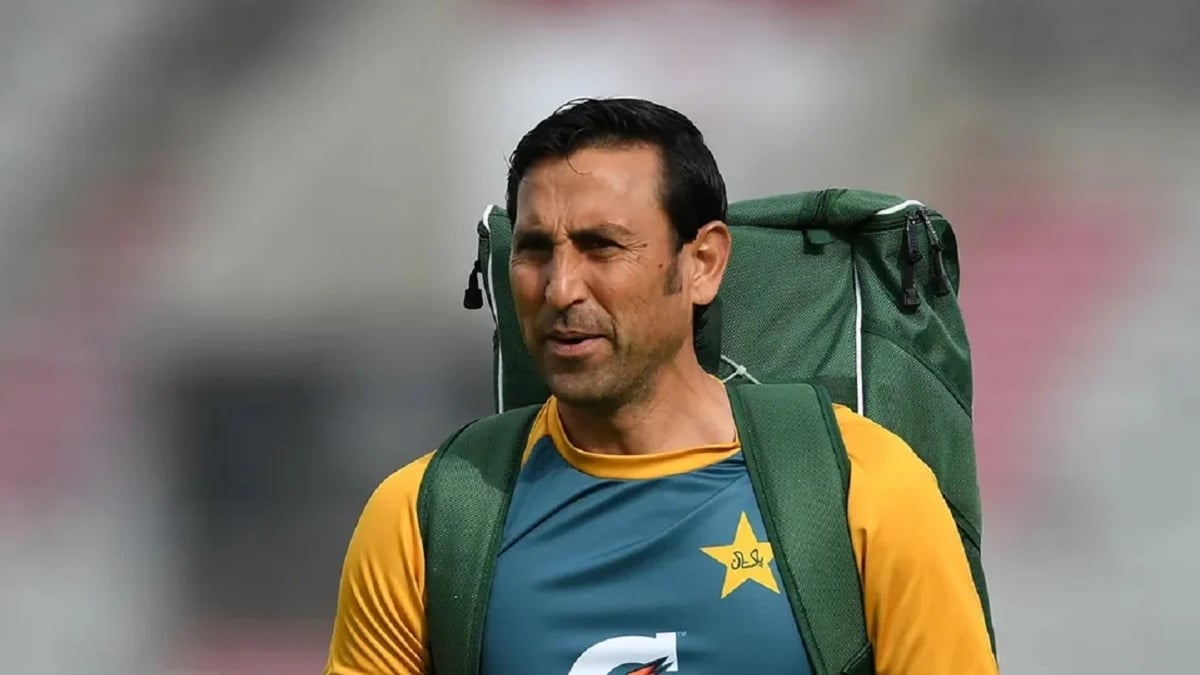
Strategic alignment in national sports is critical for structural growth. Former captain Younis Khan recently expressed his calibrated willingness to accept a PCB leadership role, signaling a potential shift in the management of Pakistan’s cricketing assets. During a visit to Baldia Town Stadium in Karachi, the batting legend confirmed his readiness to collaborate with the board. Consequently, this development provides a baseline for potential systemic improvements within the national setup.
Khan emphasized that his commitment remains absolute regardless of the specific designation. Furthermore, he articulated that his primary objective is to serve the nation with precision and professionalism. He maintains that retired players possess the technical expertise necessary to act as a catalyst for team development. Therefore, integrating such seasoned veterans into the administrative framework could optimize the current performance trajectory of the national team.
The Situation Room: Analysis of Institutional Alignment
The Translation
In technical terms, Younis Khan is advocating for a transition from ad-hoc management to a merit-based, veteran-led structural hierarchy. He recognizes that “soft power” and technical “know-how” from former captains can stabilize a volatile team environment. While initial reports suggested Khan might assume the Test head coach position, current data indicates Sarfaraz Ahmed will retain that specific authority. However, Khan’s offer remains an open invitation to the PCB to utilize his intellectual capital for broader strategic planning.
The Socio-Economic Impact
For the average Pakistani citizen, cricket is more than a sport; it is a vital economic and cultural engine. Better management through a PCB leadership role for veterans ensures that the national brand remains competitive globally. This stability directly impacts the sports industry, from local sponsorships to the aspirations of young athletes in urban and rural hubs. A disciplined management structure creates a more predictable ecosystem for the next generation of professional cricketers.
The Forward Path
This development represents a Momentum Shift. While the immediate coaching positions appear occupied, Khan’s vocal commitment creates a strategic opening for the PCB to overhaul its development pathways. If the board integrates his disciplined methodology, Pakistan could see a significant stabilization in its middle-order development and overall technical execution. We believe this is a necessary step toward institutional maturity.