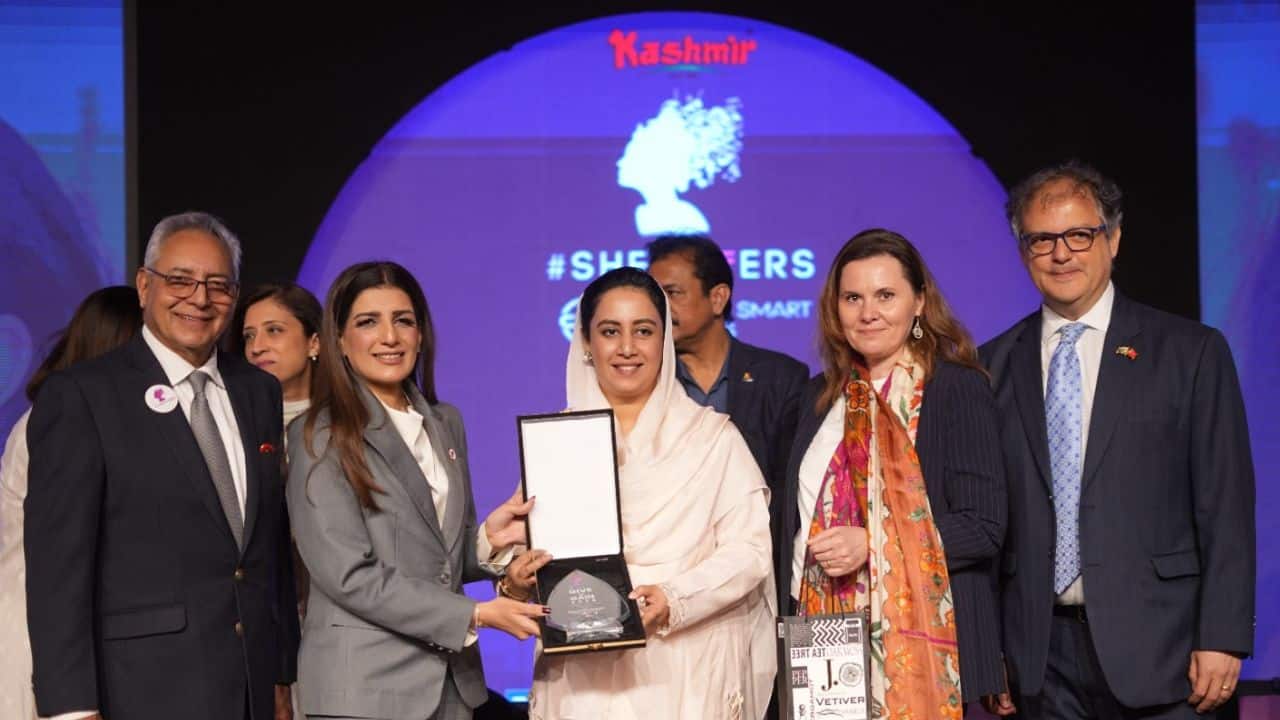
The structural realignment of Pakistan’s digital economy has reached a calibrated milestone as JazzCash officially crossed the 250,000 mark for women freelancer fintech users. Consequently, the organization has projected a strategic target of 300,000 active female entrepreneurs and freelancers by the end of 2026. This growth signifies a baseline shift from mere account registration to genuine financial agency, reflecting a broader evolution in the national economic landscape.
The Translation: From Access to Agency
In the fintech sector, “access” often refers to the simple act of opening a digital wallet. However, Zainab Samantash, Head of Legal Affairs at JazzCash, argues that access is an incomplete metric. Many women historically transacted through male relatives’ accounts or held dormant wallets. JazzCash has pivoted its strategy toward “agency-led inclusion,” ensuring that women freelancer fintech tools provide actual control over capital. This distinction ensures that a user does not just own an account but actively manages her financial destiny without external permission.
Overcoming Structural Design Barriers
To achieve this precision, the industry must address three compounding barriers: device access, product relevance, and cultural autonomy. Most legacy financial products were calibrated for salaried male users with regular income cycles. In contrast, Pakistani women often navigate informal work and seasonal income patterns. To bridge this gap, JazzCash launched the “Women Account,” featuring zero fees and CNIC-based onboarding. Furthermore, the deployment of a women agent model provides a localized touchpoint that solves comfort and security issues in rural areas.
The Socio-Economic Impact
This development directly optimizes the daily lives of thousands of Pakistani households. By providing women freelancer fintech infrastructure, the system allows female professionals to bypass the constraints of international cross-border payments. Students and stay-at-home professionals can now receive earnings directly, fostering financial independence. This shift reduces the dependency on informal “cash-in-hand” systems, which often lack security and growth potential. As women freelancers outearn their male counterparts in specific global segments, these digital tools act as the catalyst for domestic wealth creation.
The Forward Path: A Momentum Shift
We categorize this development as a definitive Momentum Shift. The convergence of the State Bank’s “Banking on Equality” framework and the Raast public infrastructure has created a high-velocity environment for private sector innovation. While the 250,000 user milestone is significant, the true progress lies in the product logic. Designing systems that reflect the “lives women actually live” ensures that the digital economy is built on a foundation of reality rather than assumption. This precision-driven approach is the blueprint for a more resilient and inclusive Pakistani economy.