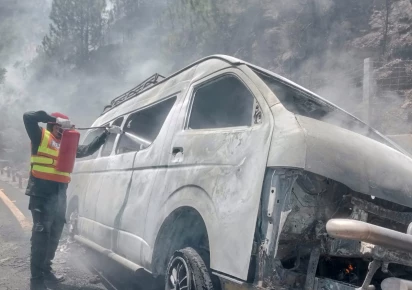
The recent Murree Expressway fire represents a critical failure in our current transit safety protocols, resulting in tragic loss of life near Khajut. A Hiace van ignited suddenly on Wednesday, exposing vulnerabilities in vehicle maintenance and emergency response times during high-traffic periods. Consequently, the National Highways and Motorway Police (NHMP) have initiated a forensic investigation to calibrate future safety benchmarks. This disaster highlights the urgent need for a more disciplined approach to vehicle roadworthiness in Pakistan.
Analyzing the Catalyst: The Murree Expressway Fire
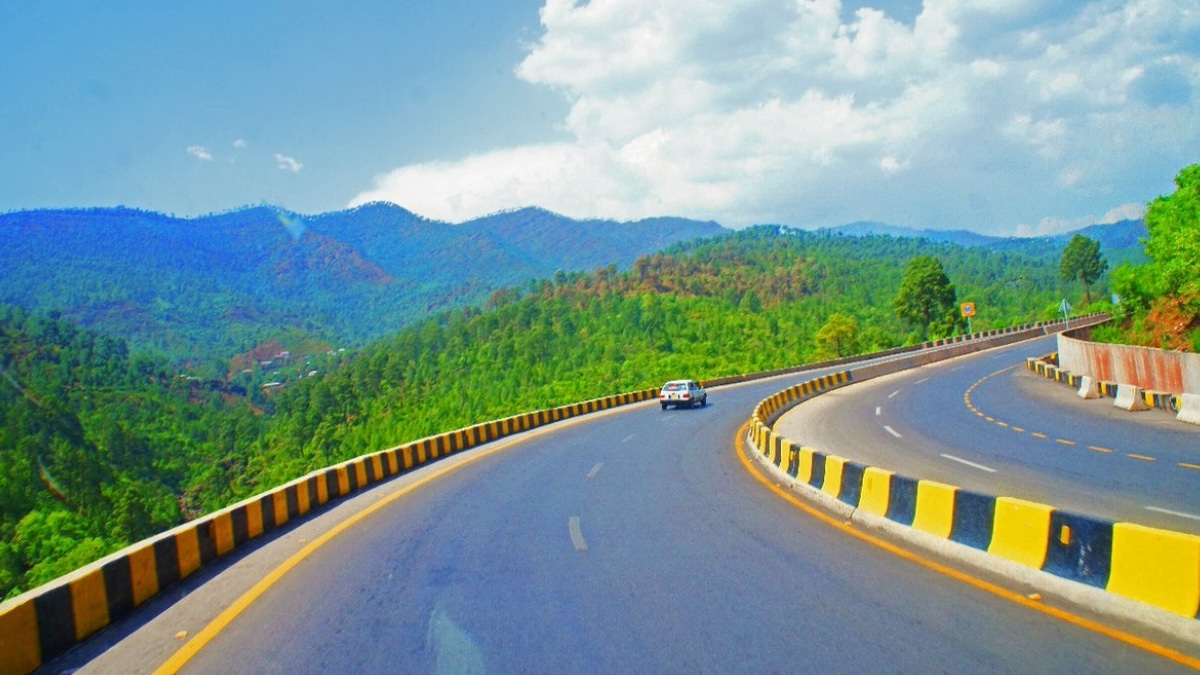
Traffic congestion on the Islamabad-Murree route has reached a baseline high in recent weeks. Road reconstruction diversions significantly increase thermal pressure on aging vehicle systems. This specific Murree Expressway fire occurred amidst these structural delays, which often complicate immediate rescue efforts. However, rescue teams from the district administration arrived strategically to contain the perimeter and manage the resulting traffic surge. Precision in rescue operations remains a primary focus for the NHMP as the situation develops.
The Translation: Technical Context
While reports cite a “sudden fire,” this terminology often masks systemic failures in a vehicle’s electrical or fuel distribution network. Under the stress of heavy traffic and high temperatures, minor leaks or frayed wiring become catalysts for combustion. Therefore, the inquiry focuses on whether mechanical negligence or environmental stressors triggered the event. Understanding these technical nuances is essential for implementing smarter safety regulations across our highway networks.
The Socio-Economic Impact
This tragedy affects more than the immediate victims; it destabilizes the safety perception of Pakistan’s primary tourism corridor. For the average Pakistani household, these incidents increase the “risk-premium” of travel. Furthermore, local professionals who commute daily face increased anxiety regarding the structural integrity of public transport. Consequently, a lack of trust in vehicle safety can dampen regional economic activity and tourism revenue, particularly during peak seasons.
The Forward Path: Strategic Opinion
This event serves as a Momentum Shift for transport regulation. We must move beyond reactive mourning toward a proactive, STEM-driven safety framework. Specifically, implementing mandatory precision thermal checks for commercial vehicles during peak seasons is essential. National advancement requires a system where public transport undergoes calibrated, rigorous safety audits before entering high-stress corridors. Our path forward must be paved with precision and uncompromising standards.