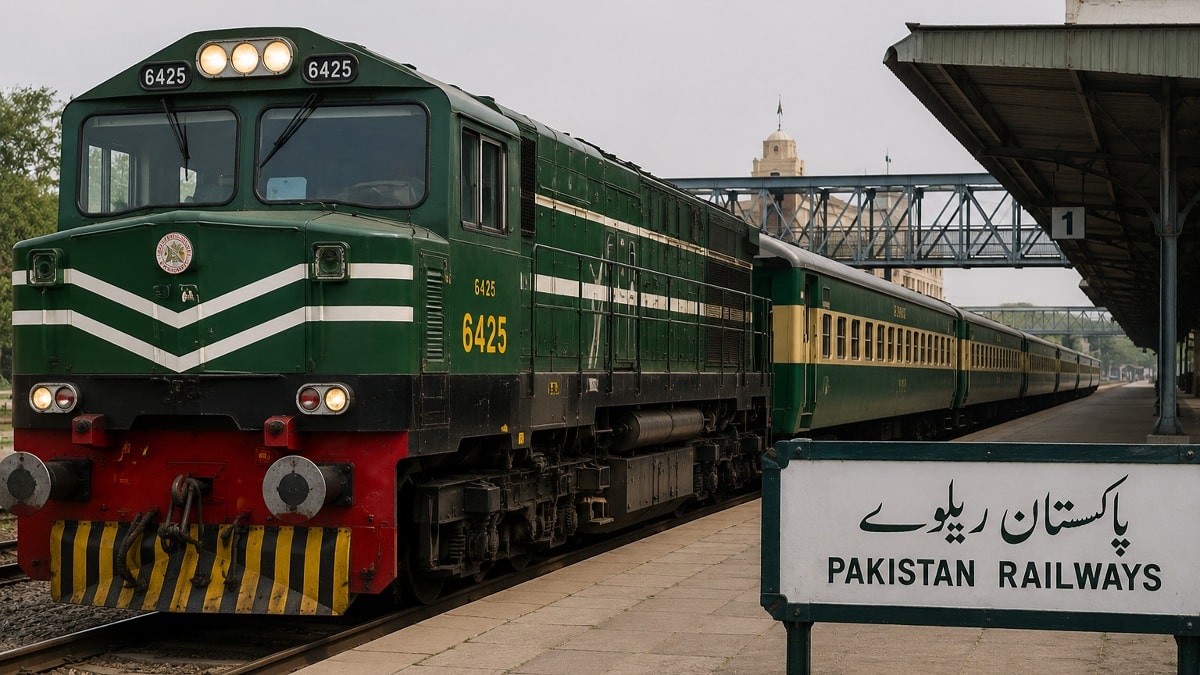
Strategic Calibration: The Pakistan Railways Auction
The structural modernization of Pakistan’s transit infrastructure demands a calibrated shift toward public-private synergy. Consequently, the government has expanded its privatization initiative, confirming a Pakistan Railways auction for 15 passenger trains. This decision increases the scope of the reform from the previously targeted 11 services, signaling a major move toward operational efficiency across the national network.
According to official reports, the administration scheduled the open auction for June 16 at the Pakistan Railways Headquarters in Lahore. A formal bidding session will occur concurrently to ensure transparency and precision in the selection process. This move represents a strategic baseline for future transport reforms.
Operational Adjustments and Implementation
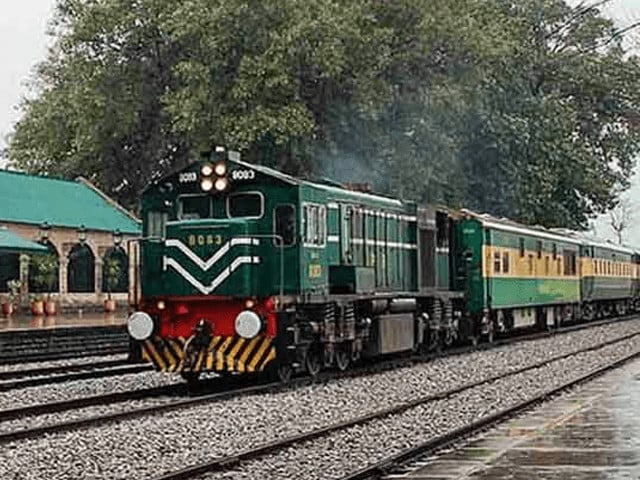
In preparation for this transition, Pakistan Railways has suspended all advance ticket bookings for the 15 trains included in the program. This measure ensures a clean operational handoff to the successful bidders. Furthermore, once the process concludes, the new private operators will manage ticket sales and reservation systems directly through existing station infrastructure.

The Translation: Contextualizing Privatization
Privatization in this context does not mean the sale of state assets, but rather the outsourcing of operational management. The government retains ownership of the tracks and locomotives while private entities handle service delivery, cleanliness, and ticketing. By shifting these responsibilities, Pakistan Railways aims to reduce its fiscal deficit while leveraging private-sector precision to improve the passenger experience.
Socio-Economic Impact
For the average Pakistani citizen, this Pakistan Railways auction could serve as a catalyst for significantly improved travel standards. Professionals and students relying on these 15 routes may see enhanced punctuality and better onboard amenities. However, the immediate suspension of advance bookings may cause temporary logistical friction for households planning summer travel. Ultimately, the success of this move depends on whether private operators maintain affordable pricing while upgrading service quality.
The Forward Path: Opinion
This development represents a significant Momentum Shift for the department. Transitioning from a state-heavy operational model to a public-private partnership is a necessary evolution for a modernizing economy. If the bidding process remains rigorous and the regulatory oversight is disciplined, this auction could serve as the architectural blueprint for reviving the entire national rail network. This is not merely a maintenance move; it is a strategic step toward a more sustainable and efficient transport system.