
The technological landscape shifted today as Apple calibrated its ecosystem for the next generation of computing. With the announcement of iOS 27, Siri AI compatibility has become the primary metric for mobile utility, though many users will find their hardware baseline insufficient. This structural upgrade introduces Apple Intelligence, a suite of high-precision tools designed to redefine system efficiency through on-device processing.
The Translation: Why Hardware Baseline Matters
Apple’s move to integrate large-scale AI models requires substantial localized memory. Consequently, Apple Intelligence demands a minimum of 12GB of RAM to operate effectively. This technical requirement creates a catalyst for hardware upgrades, as it excludes even the base iPhone 17 model. Consequently, the logic here is precision; Apple prioritized performance stability over broad compatibility, ensuring the AI performs without system lag.
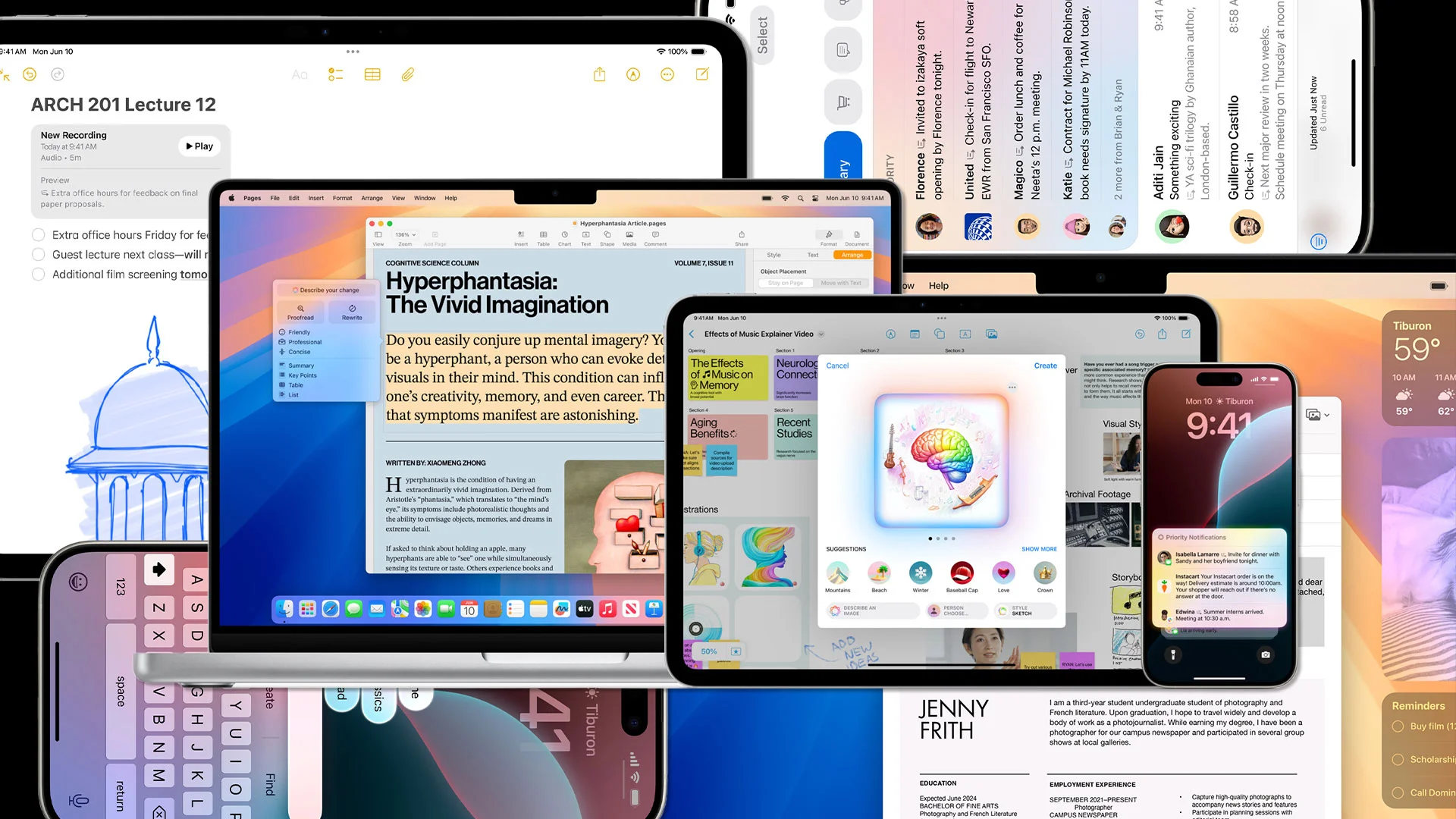
Structural Limits: Siri AI Compatibility for iPhone
The confirmed list for iPhone users remains exclusive to high-tier silicon. To utilize these features, you must own one of the following models:
- iPhone 16 Series: All models (Base, Plus, Pro, Pro Max).
- iPhone 15 Pro & Pro Max: The only legacy models with sufficient architecture.
- iPhone 17 Pro & Pro Max: Future-proofed for advanced processing.

Computing Power: iPad and Mac Support
Furthermore, Apple extends this AI framework to its tablets and desktop computers. Apple Intelligence functions on iPads equipped with the A17 Pro chip (iPad mini) or any model utilizing the M1 chip or later. Similarly, Mac users require Apple Silicon. The MacBook Neo and all M-series Macs meet the calibrated compatibility requirements for this new digital frontier.
Wearables and Vision Pro
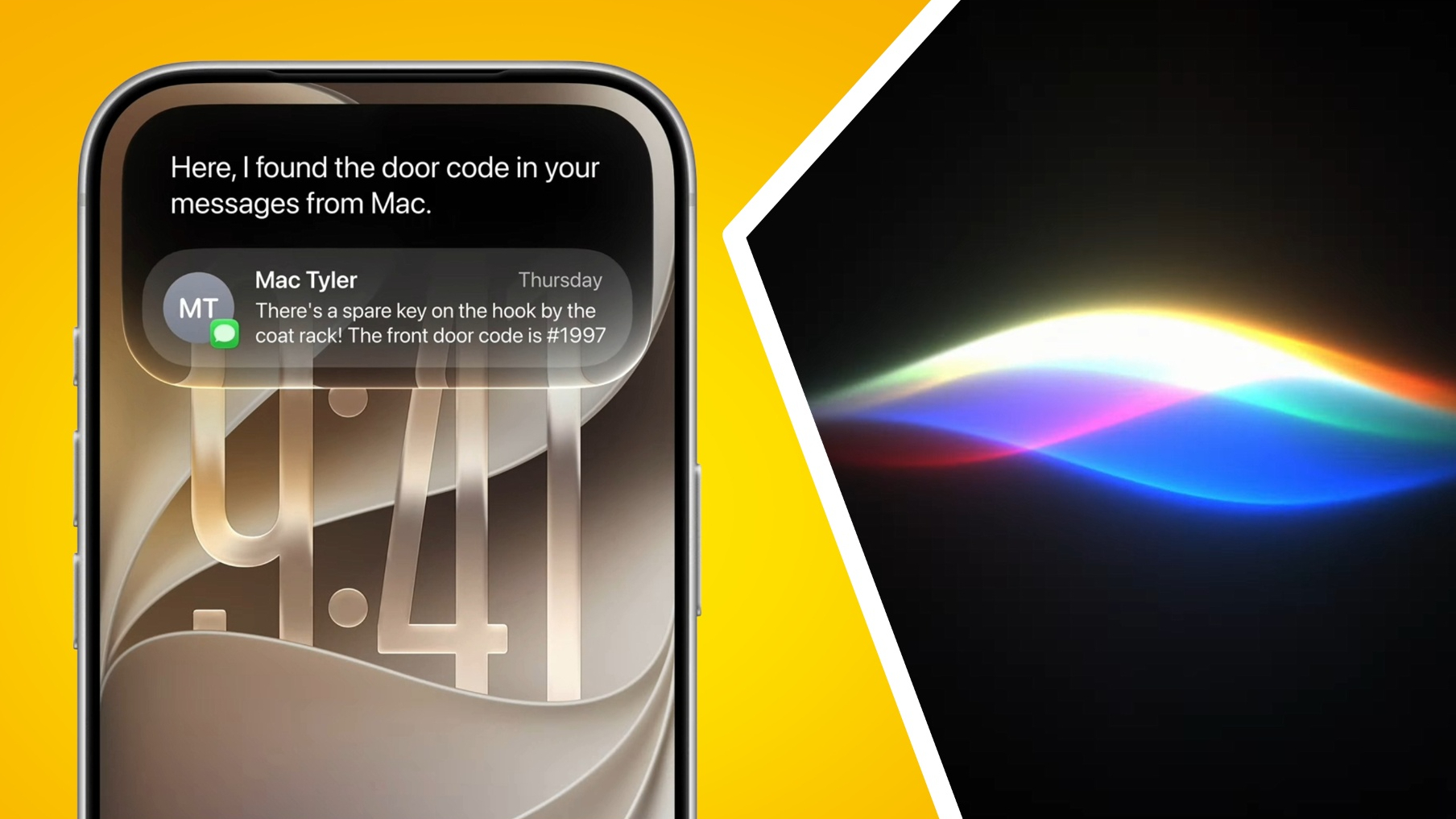
Apple has not neglected its spatial and wearable categories. The Apple Vision Pro supports full AI integration. Additionally, the Apple Watch Series 9, Ultra 2, and SE 3 will support these features, provided they are paired with a compatible iPhone to act as the primary processor.
The Socio-Economic Impact
This development creates a significant economic hurdle for Pakistani professionals and students. Since the hardware requirements are high, the secondary market value for older iPhones may depreciate rapidly. Furthermore, the entry cost for “AI-ready” productivity tools has risen, potentially widening the digital divide. However, for those who can access this hardware, the gains in daily efficiency and workflow automation represent a major competitive advantage in the global market.
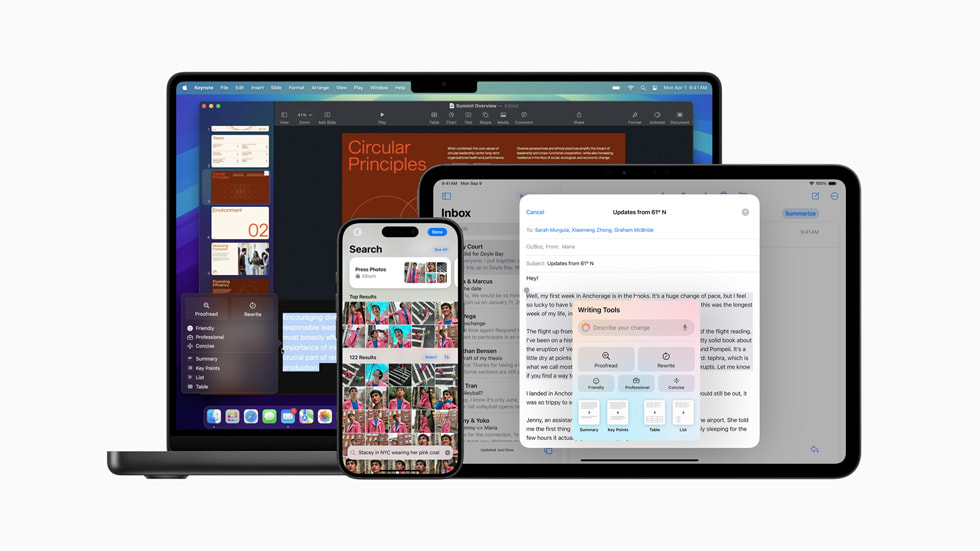
The Forward Path: Momentum Shift
In my assessment, this represents a Momentum Shift. Apple is no longer maintaining legacy compatibility for the sake of market reach. Instead, they are forcing a strategic migration toward high-performance hardware. While this frustrates owners of older devices, it ensures that the AI ecosystem in Pakistan remains calibrated to global standards of speed and precision.








