Calibrating the 2026 Climate Response
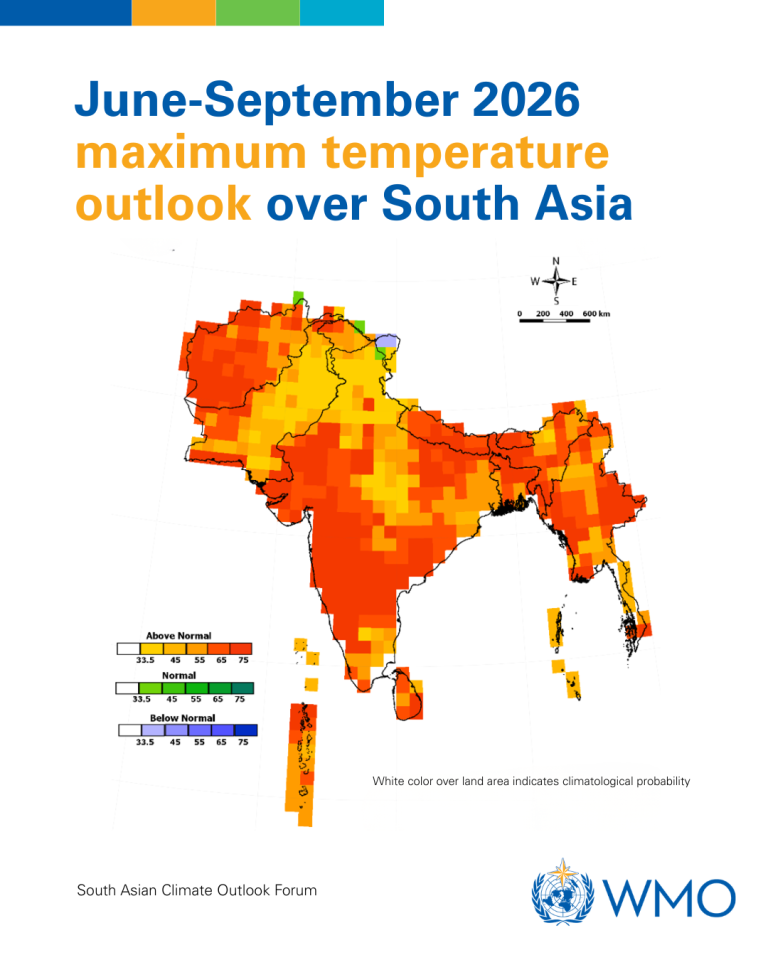
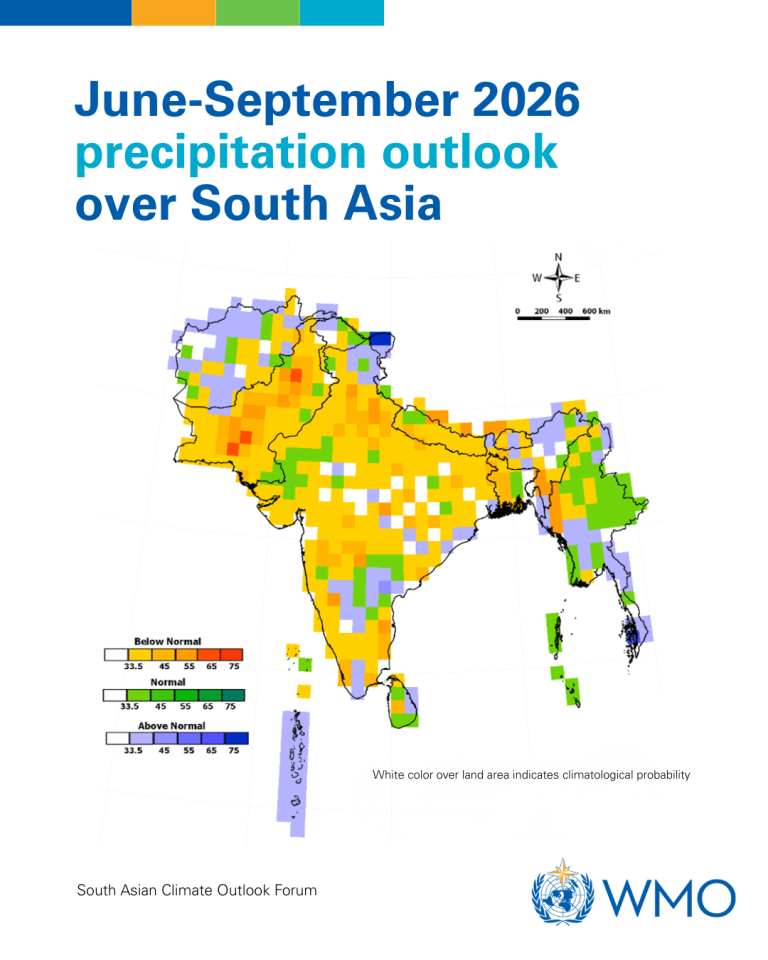
The Pakistan Meteorological Department (PMD) predicts below-normal monsoon rainfall across the majority of Pakistan for the June-August 2026 cycle. Simultaneously, the nation faces a secondary challenge: temperatures will likely remain above-normal through September. Consequently, the intersection of thermal stress and moisture deficiency creates a complex baseline for the national agricultural sector that requires immediate strategic alignment.
Strategic Risks of Below-Normal Monsoon Rainfall
The Translation (Clear Context)
Technically, “below-normal” does not imply a total absence of rain. Instead, it signifies a calibrated reduction in total cumulative precipitation relative to historical averages. This discrepancy is particularly acute in rain-fed agricultural zones. Furthermore, while the general trend is dry, northern regions like Gilgit-Baltistan and Kashmir may actually experience near-normal or slightly higher rainfall. Consequently, the Indus River system faces a dual-threat: massive glacial melt from the north combined with concentrated downpours, increasing the precision needed for water management.
The Socio-Economic Impact
For the average citizen, this below-normal monsoon rainfall forecast translates to tangible economic and physical risks. Specifically, moisture stress will likely reduce the Kharif crop productivity, potentially driving up food prices in local markets. In urban centers like Karachi or Lahore, intermittent heavy rain could still trigger urban flooding due to systemic drainage failures. Additionally, the combination of high humidity and heat will likely catalyze a surge in vector-borne diseases such as dengue, putting further pressure on the healthcare infrastructure. Citizens in mountainous regions must also remain vigilant against Glacial Lake Outburst Floods (GLOFs) caused by rising temperatures.
- Agricultural Stress: Moisture deficiency in rain-fed areas.
- Hydrological Risk: High water levels in the Indus River due to glacial melt.
- Health Hazards: Increased risk of dengue and heat-related illnesses.
- Urban Vulnerability: Flash flooding in low-lying city districts.
The Forward Path (Opinion)
This development signals a Momentum Shift toward a volatile climate future that Pakistan must navigate with engineering precision. While the drier forecast might seem less threatening than massive floods, the reduced agricultural output requires immediate structural adaptation. We must prioritize precision irrigation systems and reinforce glacial monitoring to manage the “melt-and-rain” synchronization in the north. This is a moment for calibrated policy, not passive observation.