
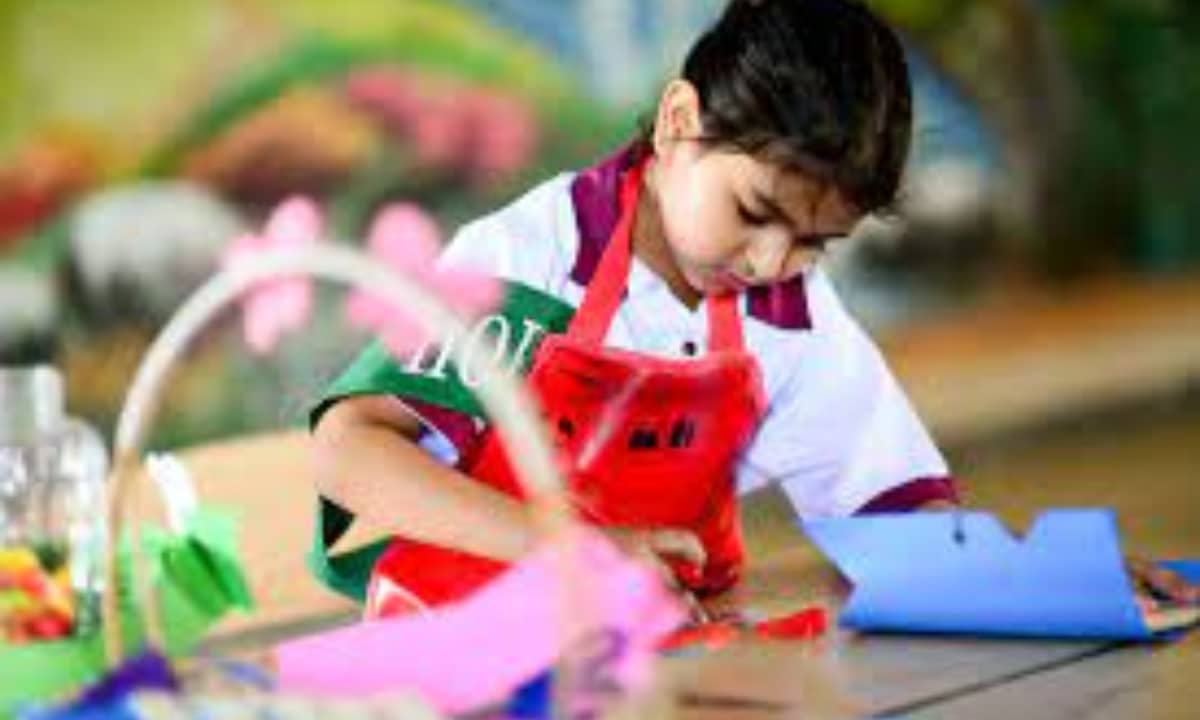
The architectural redesign of Pakistan’s human capital begins with the strategic integration of Artificial Intelligence at the foundational level. Governor Syed Muhammad Nehal Hashmi recently calibrated a new educational baseline by announcing a free AI Summer Camp for students. This initiative targets the structural deficit in our current technological landscape by providing high-precision digital training to youth during their upcoming vacations. Consequently, the program aims to transform passive consumers of technology into active architects of the global innovation economy.
Calibrating the Future: The AI Summer Camp Initiative
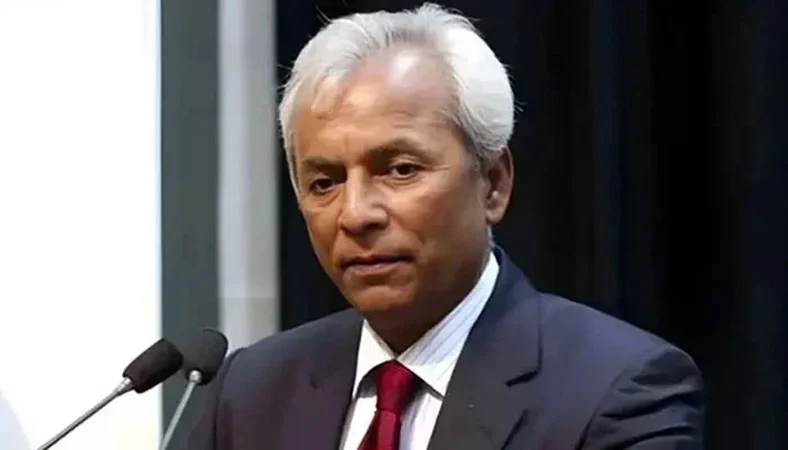
Governor Hashmi unveiled this tactical development during a high-level briefing at the Governor House. Notably, the initiative operates on the premise that early exposure to advanced technology acts as a catalyst for national progress. Furthermore, the Governor emphasized that basic digital literacy—such as mobile phone proficiency—serves as the baseline requirement for mastering complex AI modules. By removing the financial barrier to entry, the government is leveling the playing field for students across the socio-economic spectrum.

The launch event featured key stakeholders including Minister of State Fahad Haroon and tech advocate Daniyal Nagori. Their collective presence underscores a unified commitment to systemic education reform. According to the Governor, the ultimate objective is to pivot the national workforce from “job seekers” to “job creators.” This structural shift is essential for Pakistan to maintain pace with developed nations that prioritize research and skill development from an early age.
The Translation: Breaking Down Digital Sophistication
In “Next Gen” clarity, this AI Summer Camp is more than just a seasonal workshop; it is a precision-engineered boot camp for cognitive tools. While “Artificial Intelligence” often sounds like science fiction to the uninitiated, the program translates these complex algorithms into practical, hands-on applications. Instead of merely learning to use software, students will understand the logic of automated systems. This fundamental knowledge allows them to build, refine, and deploy AI solutions that solve real-world problems.
The Socio-Economic Impact: From Classroom to Economy
How does this change the daily life of a Pakistani citizen? For the student in Karachi or the rural districts of Sindh, this represents a gateway to global liquidity. By mastering AI, students gain access to high-value freelance markets, international higher education, and the burgeoning local tech sector. Consequently, households can expect a rise in economic stability as their youth secure positions in high-growth industries. This initiative serves as a structural hedge against traditional unemployment cycles by diversifying the skill sets of the emerging workforce.
The Forward Path: A Momentum Shift
The launch of this AI Summer Camp represents a definitive Momentum Shift for the region. By utilizing the Governor House as a hub for emerging technologies, the administration is signaling a move toward “System Efficiency.” This is not a mere maintenance move; it is a proactive attempt to leapfrog traditional educational hurdles. For this to remain effective, the baseline must be scaled into a year-round curriculum. Online registration is currently accessible via the official website, marking a critical first step toward a tech-driven future.








