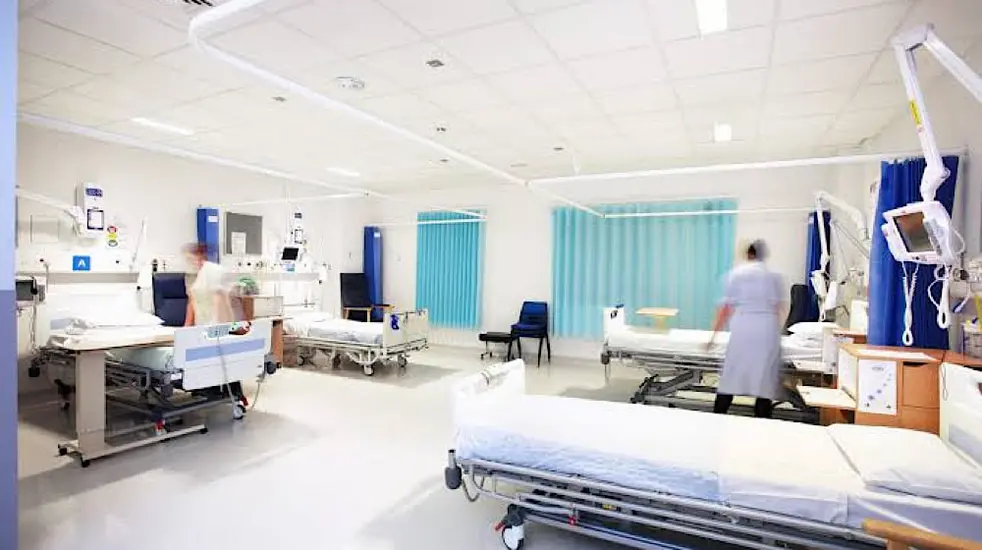
The structural evolution of Pakistan’s healthcare sector achieved a critical baseline today as the Royal Cosmetic Surgery Clinic inaugurated its state-of-the-art Laparoscopic Surgery Tower in Islamabad. This calibrated investment addresses a systemic gap in the national medical infrastructure, providing citizens with high-precision, minimally invasive alternatives to traditional open surgery. Consequently, patients can now access global surgical standards within the capital, eliminating the logistical and financial burdens of seeking specialized care abroad.
The Situation Room: Strategic Analysis
The Translation
Historically, surgical intervention in Pakistan necessitated large incisions, resulting in significant tissue trauma and prolonged hospital stays. The new Laparoscopic Surgery Tower utilizes high-definition imaging and specialized micro-instruments to perform complex internal operations through entry points no larger than 1.5 centimeters. This technological leap transforms a major physical disruption into a streamlined, precision-managed procedure.
The Socio-Economic Impact
For the average Pakistani professional or household provider, time is a vital economic asset. Traditional surgery often demands a six-week recovery period, leading to substantial income loss and domestic strain. In contrast, this advanced system facilitates a return to economic productivity within seven to fourteen days. By reducing hospital occupancy times, the facility also increases the overall system efficiency of the regional healthcare network.
The Forward Path
This development represents a definitive Momentum Shift in Pakistan’s private healthcare sector. It signals a move away from reactive maintenance and toward proactive, technology-driven wellness. While the initial deployment is localized in Islamabad, the successful integration of such advanced towers serves as a catalyst for nationwide medical modernization.
Core Advantages of Minimal Invasive Precision
The deployment of the Laparoscopic Surgery Tower introduces several calibrated benefits for the patient demographic. Each feature is designed to optimize biological recovery and systemic outcomes.
- Calibrated Pain Management: Small incisions significantly reduce nerve and muscle trauma, minimizing the post-operative requirement for heavy analgesics.
- Accelerated Recovery Cycles: Most patients undergoing procedures via the tower are discharged within 24 hours, returning to standard activity levels far faster than traditional benchmarks.
- Structural Precision: High-definition visualization allows surgeons to navigate internal anatomy with unprecedented accuracy, effectively lowering the risk of secondary complications.
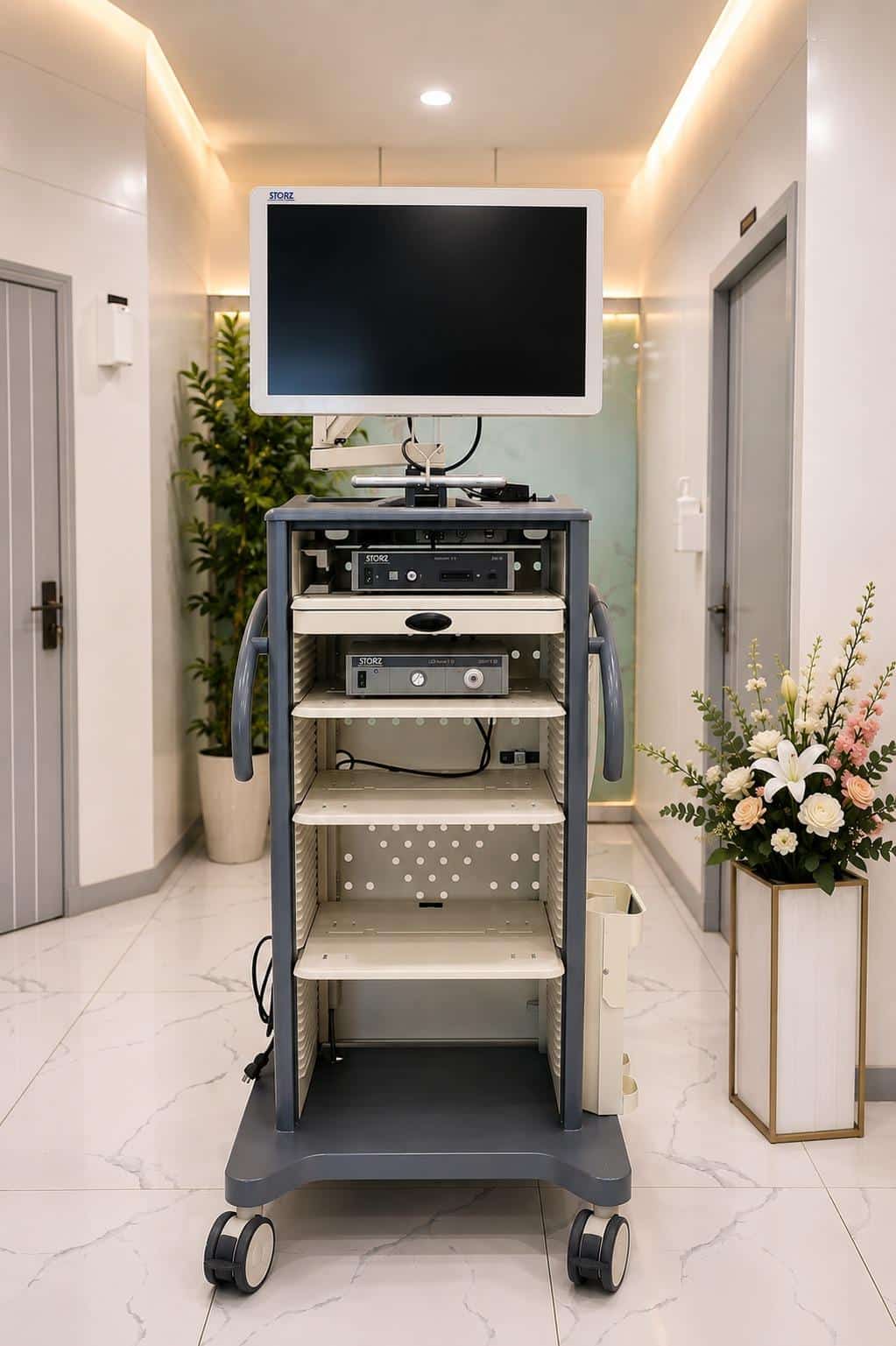
Expanded Surgical Capabilities
The versatility of the Laparoscopic Surgery Tower enables the clinic’s specialized team to address a wide array of conditions with structural efficiency:
Advanced Weight Loss Solutions
The system is a primary catalyst for modern Bariatric surgery, including Sleeve Gastrectomy and Gastric Bypass. These procedures are vital for combating the rising metabolic health crisis in urban Pakistan, offering a safer path toward weight stabilization.
General Surgical Excellence
Furthermore, the tower facilitates rapid-recovery Hernia repairs and Gallbladder removals (Cholecystectomy). By utilizing this advanced energy-device system, surgeons minimize intraoperative bleeding, ensuring a safer clinical environment for every patient.
Conclusion: A New Era of Surgical Integrity
Under the leadership of experts like Dr. Naveed Azhar and Dr. Adil Shafi, the Royal Cosmetic Surgery Clinic is setting a new benchmark for surgical integrity in Islamabad. The integration of high-definition imaging and advanced energy devices ensures that Pakistani patients no longer have to compromise on the quality of their care. This is more than a clinical update; it is a strategic enhancement of our national health resilience.