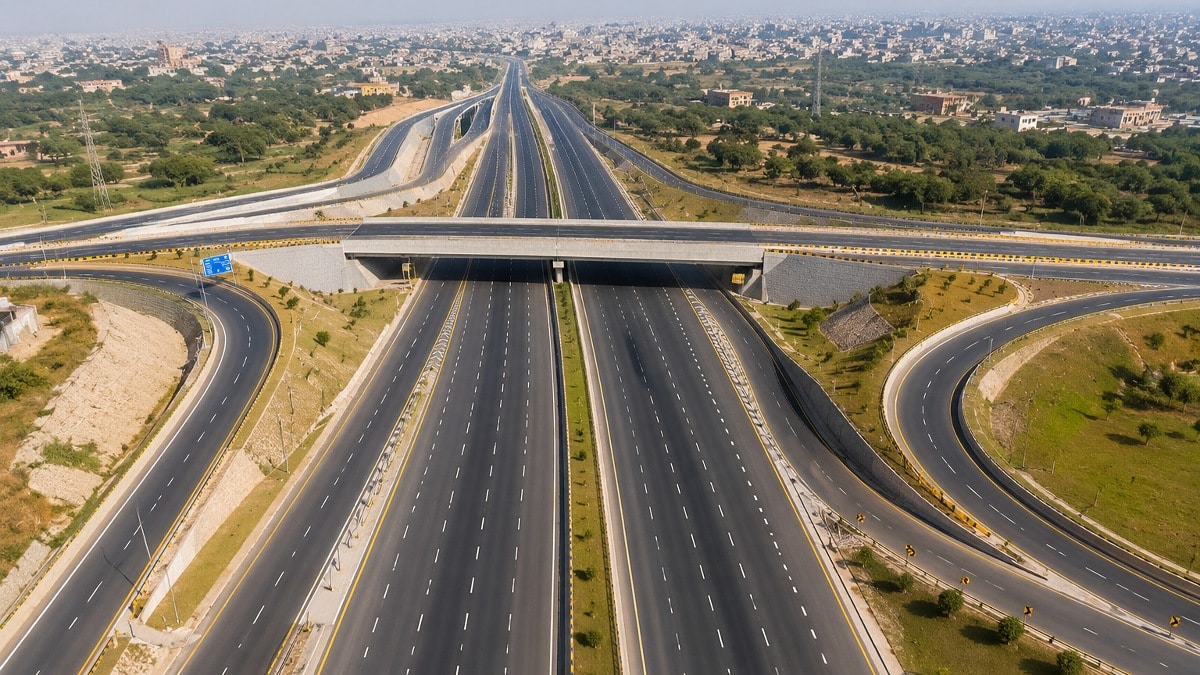
Infrastructure precision is the catalyst for urban efficiency. The Rawalpindi Ring Road project has reached its final development phase with a 90% completion rate. Consequently, project leads have calibrated the operational launch for June 15. This 38.6-kilometer corridor features full carpeting and structural integrity designed for long-term logistics durability. By integrating major interchanges, the network ensures seamless traffic distribution across the Rawalpindi-Islamabad axis.
Engineering Precision: The Rawalpindi Ring Road Design
While minor sewerage work and aesthetic finishes continue, the primary structural components are now fully operational. Initially, the Rawalpindi Ring Road will facilitate traffic flow via the GT Road Baanth Interchange. Although the Thalian Interchange remains part of the second phase, the existing alignment provides critical motorway access. This strategic phased approach allows for immediate traffic relief while the remaining 10% of the Thalian connectivity undergoes final calibration. The total project investment reflects a precision-budgeted Rs. 46.64 billion, covering both construction and Phase II land acquisition.
Situation Room Analysis
The Translation
In technical terms, the project has transitioned from structural assembly to systems integration. The “final stage” designation means the road surface and primary nodes, such as the Adiala and Chakri interchanges, are load-ready. While Phase II includes the Thalian Interchange for direct motorway entry, the June 15 launch utilizes the Baanth Interchange as the primary catalyst for traffic redirection. This ensures that the city’s congestion is mitigated without waiting for the secondary phase’s completion.
Socio-Economic Impact of the Rawalpindi Ring Road
This infrastructure shift directly benefits the average Pakistani citizen by reducing transit time between Rawalpindi and major trade routes. Specific advantages include:
- Fuel Efficiency: Shorter, unencumbered routes reduce vehicle operating costs for households and logistics firms.
- Market Access: Rural communities near Chak Beli Khan and Adiala gain direct links to urban centers, boosting local trade.
- Urban Decongestion: Diverting heavy traffic from the city core improves the quality of life and air for urban residents.
The Forward Path
Next Generation Pakistan views this development as a Momentum Shift. The successful completion of such a massive undertaking within budget parameters signals a new era of structural discipline in public works. Once Chief Minister Maryam Nawaz approves the formal inauguration, the region will witness a catalyst for rapid economic expansion and systemic urban efficiency.