
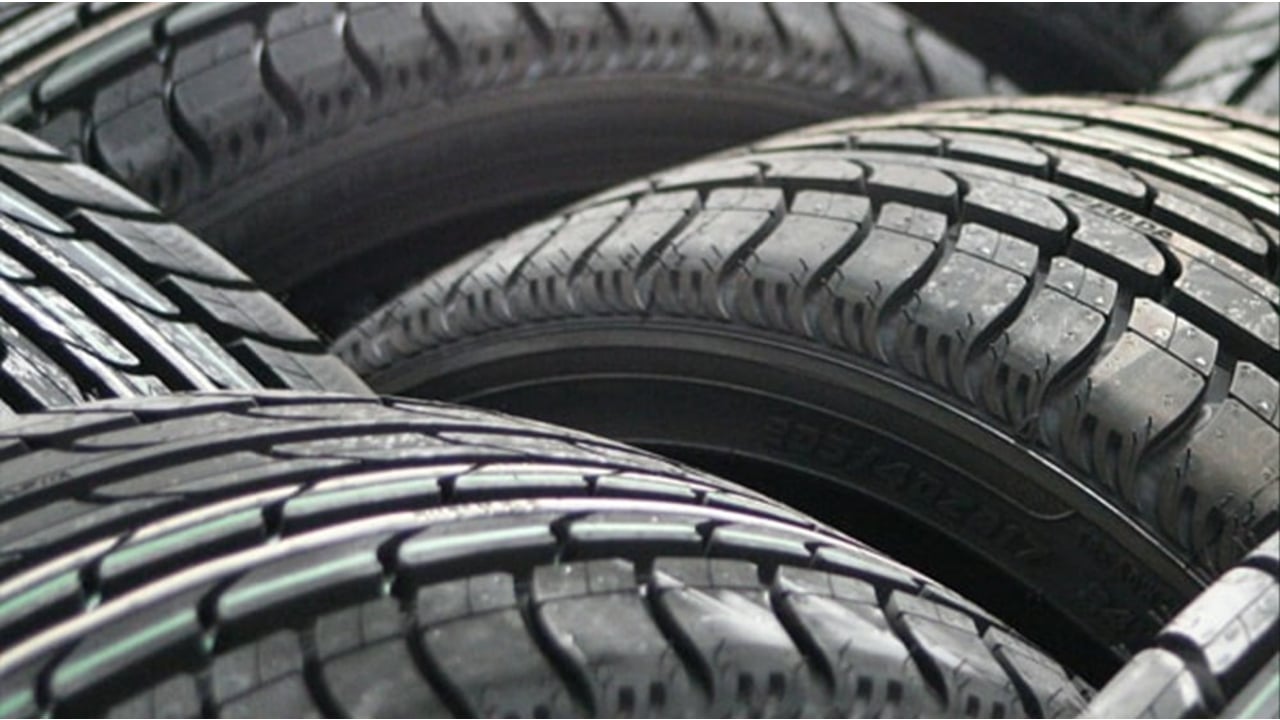
The recent calibration of imported tyre prices by the Directorate General of Customs Valuation Karachi represents a strategic shift in Pakistan’s trade regulatory framework. Under Valuation Ruling No. 2086 of 2026, authorities have revised the customs values for passenger car tyres originating from Japan, China, Thailand, and ASEAN nations. This structural update follows a formal challenge to previous 2025 regulations, necessitating a precision-driven re-examination of international price trends to ensure market equilibrium.
Strategic Shift in Imported Tyre Prices
The Directorate initiated this fresh valuation exercise following Order in Revision No. 30 of 2025. Consequently, officials conducted extensive consultations with stakeholders, including the Pakistan Tyres Importers and Dealers Association (PTIDA) and local industrial manufacturers. While importers advocated for lower values to match global price drops, local manufacturers argued for maintaining current levels to protect domestic production against the influx of smuggled goods. Specifically, the Directorate reviewed 90 days of import data to develop a supplier-wise database, ensuring that imported tyre prices reflect verified transaction values.
The Translation: Breaking Down the Logic
In technical terms, customs valuation serves as the baseline for calculating import duties and taxes. When the government “remands” a ruling, it essentially recalibrates the system to prevent under-invoicing and ensure transparency. By aligning imported tyre prices with global market inquiries conducted under Section 25(7) of the Customs Act, 1969, the state creates a standardized pricing floor that prevents erratic market fluctuations and promotes fair competition between global and local suppliers.
The Socio-Economic Impact: What This Means for You
For the average Pakistani citizen, this ruling acts as a catalyst for changing transport overheads. If the recalculated imported tyre prices trend upward, households and professional logistics providers may face increased maintenance costs. Conversely, a more regulated import sector strengthens the formal economy, potentially leading to better quality control and the reduction of unregulated, hazardous tyres in the local market. Students and professionals relying on ride-hailing services may notice slight adjustments in fares as fleet operators adapt to these revised operational costs.
The Forward Path: Strategic Analysis
This development represents a Stabilization Move. While the immediate effect might be a slight increase in consumer costs, the move toward a data-driven, supplier-specific database is a necessary structural evolution. By prioritizing precision over generic valuation, the Directorate is building a more resilient economic baseline. Ultimately, this ensures that the tyre industry operates on a level playing field, balancing the needs of international trade with the vital growth of Pakistan’s domestic manufacturing sector.








