
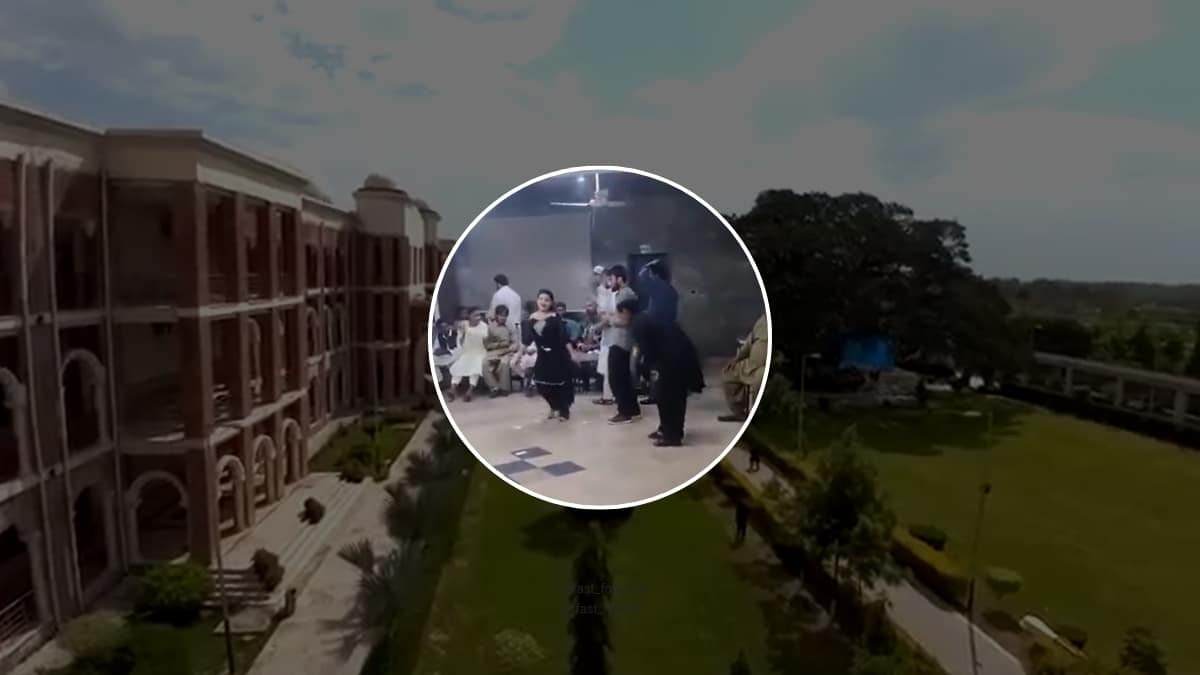
The Civil Lines police station has initiated a formal investigation into the Rawalpindi Judicial Complex following the circulation of an unauthorized video. Based on a First Information Report (FIR) lodged by a session court watchman, the incident involves alleged inappropriate conduct within the lawyers’ wing of the building. Consequently, authorities are utilizing high-definition forensic evidence to identify participants and restore institutional integrity.
The Translation: Decoding Institutional Decorum
This breach represents more than a social lapse; it highlights a significant vulnerability in the Rawalpindi Judicial Complex security architecture. The term ‘mujra’ refers to a specific dance form that, when performed within a judicial space, violates the structural purpose of the facility. Specifically, the FIR serves as a corrective mechanism to realign the building’s usage with its legal mandate and professional standards.
Key Investigation Benchmarks
- Evidence Acquisition: Facial recognition is being applied to the viral footage to ensure precise identification of all participants.
- Locus of Incident: The investigation confirms the event occurred within the lawyers’ section of the judicial complex.
- Legal Precedent: The FIR was filed under specific clauses targeting obscene acts in public and official spaces.
Socio-Economic Impact: Protecting Public Trust
The integrity of judicial spaces directly influences public confidence in the legal system. For the average Pakistani citizen, the Rawalpindi Judicial Complex must represent a sanctuary of precision and justice. When institutional spaces are compromised, it diminishes the perceived efficiency of the judiciary. Furthermore, such incidents can distract from the core mission of legal service delivery to both urban and rural populations, potentially eroding the social contract.
The Forward Path: A Momentum Shift in Security
This development constitutes a Stabilization Move. While the investigation is a necessary reactive step, it highlights the urgent need for calibrated access control within judicial corridors. Consequently, the resolution of this case will set a baseline for professional conduct. This ensures that Pakistan’s legal infrastructure remains a catalyst for systemic progress rather than a venue for recreational misuse.








