
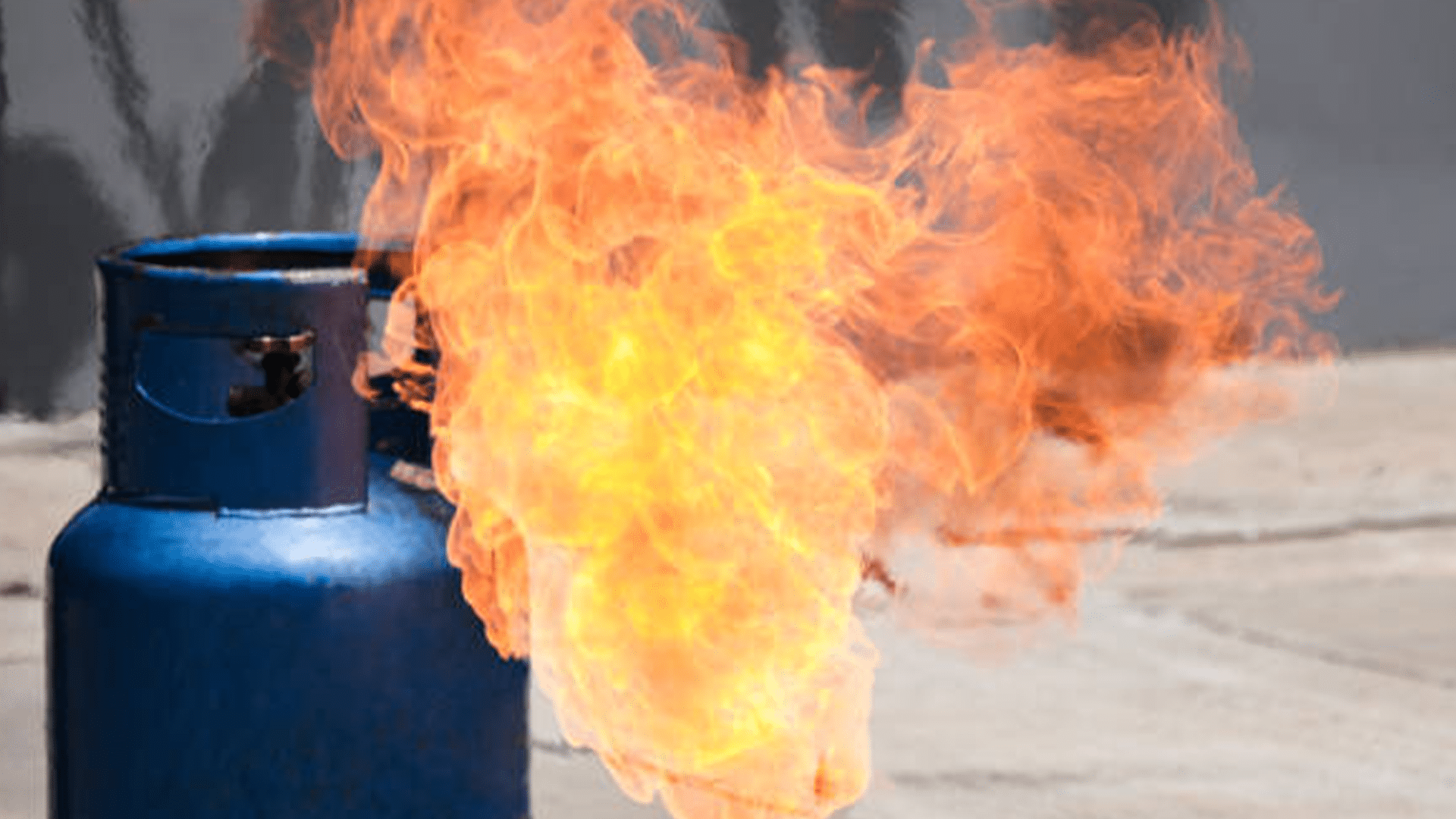
The Oil and Gas Regulatory Authority (OGRA) recently dismissed viral misinformation regarding LPG cylinder safety in the Pakistani domestic market. Consequently, the authority addressed specific social media claims suggesting that domestic cylinders carry “expiry codes” like A-26 or D-26. OGRA clarified that these markings do not indicate a date where the vessel becomes structurally unsafe or prone to explosion.
Structural Integrity and LPG Cylinder Safety Standards
OGRA confirmed that cylinders manufactured in Pakistan do not utilize an alphabetic coding system for expiry. Instead, every certified unit contains embossed technical data including manufacturing dates, serial numbers, and manufacturer details. Furthermore, the industry follows internationally recognized standards such as DOT 4B and DOT 4BW to ensure maximum precision in safety engineering.
Moreover, Irfan Khokhar, Chairman of the LPG Distributors Association, emphasized that approved manufacturers adhere to rigorous 20-stage production protocols. These cylinders undergo mandatory inspections and refurbishment every five years to maintain baseline safety. Consequently, certified cylinders do not pose explosion risks under calibrated, normal usage conditions.
The Situation Room Analysis
The Translation
In technical terms, the viral “expiry codes” are a misinterpretation of international industrial marking systems not used in Pakistan’s domestic LPG sector. While all pressure vessels have a service life, the safety of a cylinder depends on periodic hydraulic testing and physical inspection rather than a simple timestamp. OGRA is effectively recalibrating public perception to focus on official manufacturer embossments rather than social media hearsay.
Socio-Economic Impact
This clarification provides essential psychological and physical security for millions of Pakistani households relying on portable energy. By debunking these myths, OGRA prevents unnecessary panic-buying and financial loss for families who might have discarded perfectly safe cylinders. Additionally, it reinforces the market value of certified distributors, protecting consumers from the hazards of low-quality, smuggled, or uncertified hardware.
The Forward Path
This development represents a Stabilization Move. While OGRA has successfully neutralized a misinformation catalyst, the structural challenge remains in the informal market. The next logical step for national advancement involves a more aggressive crackdown on unapproved manufacturers. Ensuring that every cylinder in a Pakistani kitchen meets international DOT standards is a non-negotiable requirement for system efficiency.








