
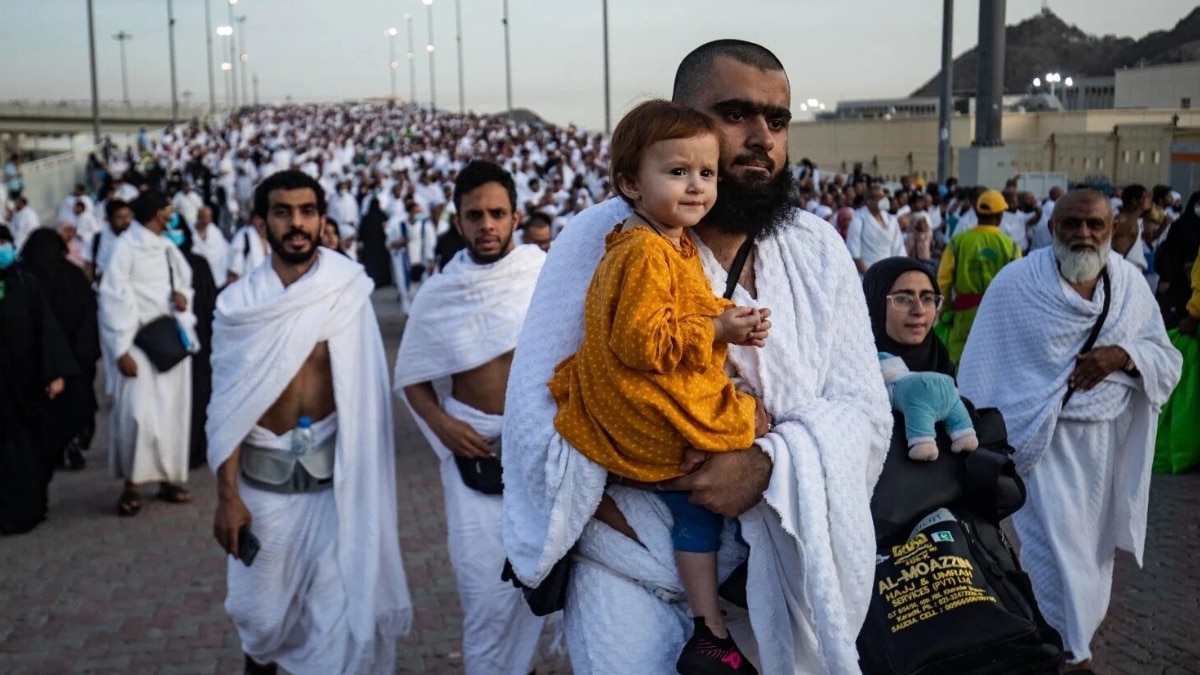
Large-scale logistical operations like the Government Hajj scheme require precise fiscal calibration to ensure systemic efficiency. In 2026, Pakistan successfully facilitated 119,210 pilgrims, resulting in a total calibrated expenditure of Rs. 139.16 billion. This investment underscores the massive economic movement generated by religious tourism and highlights a strategic structural split between long-term and short-term pilgrimage packages.
Structural Breakdown of the Government Hajj Scheme
Data analytics from the recent cycle reveal a significant preference for extended residency. Specifically, 77,743 pilgrims, representing 65.2% of the total quota, prioritized the long Hajj package. These individuals maintained a 40 to 45-day baseline in the kingdom, with a per-pilgrim cost of Rs. 1.15 million. Furthermore, the remaining 41,467 pilgrims opted for the 20 to 22-day short package, reflecting a shift toward time-sensitive travel solutions.
Key Logistics and Gender Demographics
- Total Spending: Rs. 139.16 Billion
- Short Package Cost: Rs. 1.2 Million (34.8% of pilgrims)
- Female Participation: 50,114 women (43.5% of quota)
- Male Participation: 65,182 men (56.5% of quota)
In contrast to the long package, the short-term option commanded a higher price of Rs. 1.2 million per person. This price delta is largely attributed to the accelerated logistical requirements and premium accommodation windows. Consequently, the fiscal data shows a highly segmented market within the national pilgrimage framework.
The Translation
While Rs. 139.16 billion appears as a monolithic expenditure, it represents a complex marketplace of services. The price discrepancy between packages reflects the premium placed on logistical speed and time-utility. Short-term packages require higher frequency transport and specific residency slots, which drives the baseline cost higher than the standard long-term residency. Essentially, pilgrims are paying for efficiency rather than duration.
The Socio-Economic Impact
This massive capital outflow impacts Pakistani households by necessitating long-term savings strategies. For the urban professional and rural household alike, the Rs. 1.15 million price point sets a high financial threshold for participation. However, this spending also acts as a catalyst for the local aviation and travel sectors, maintaining essential industry capacity and providing a strategic stimulus to the national travel infrastructure.
The Forward Path
We view this development as a Stabilization Move. While the logistical execution shows high precision, the rising cost per pilgrim suggests a need for structural negotiation with international service providers to maintain long-term accessibility. To drive future progress, Pakistan must leverage its massive pilgrim volume as a baseline to secure better economies of scale and technological integration in the pilgrimage process.








