
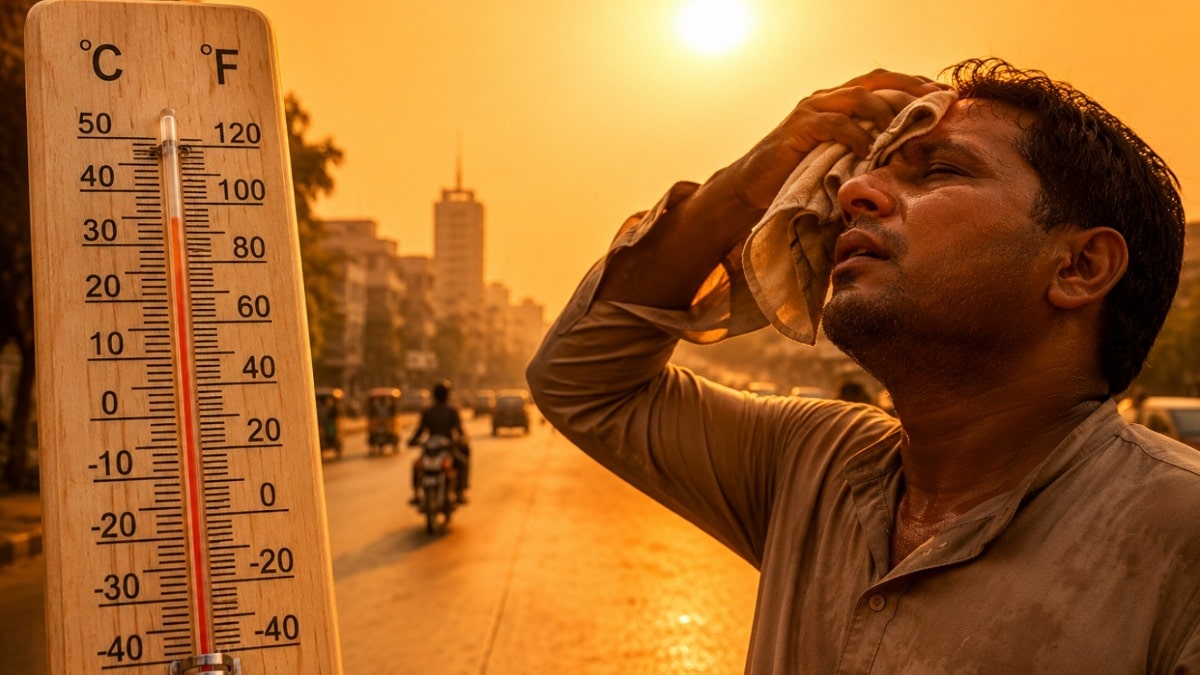
Climate resilience is no longer a peripheral concern; it is a structural necessity for Pakistan’s national survival. As a severe heatwave settles across the region, the deadly heatstroke risk represents a critical failure point in our public health baseline. Health experts have calibrated the mortality rate of this condition between 10% and 80%, indicating that the speed of medical intervention directly dictates survival outcomes for our citizens.
Identifying the Deadly Heatstroke Risk Early
Precision in diagnosis is the primary catalyst for effective treatment. Consequently, individuals must monitor for symptoms such as high core body temperatures, flushed skin, and dizziness. Severe headaches, slurred speech, and hallucinations serve as late-stage indicators of a biological system under extreme thermal stress. Health professionals emphasize that early diagnosis and rapid cooling can stabilize the mortality rate at 10%, whereas delayed responses allow it to escalate to 80%.
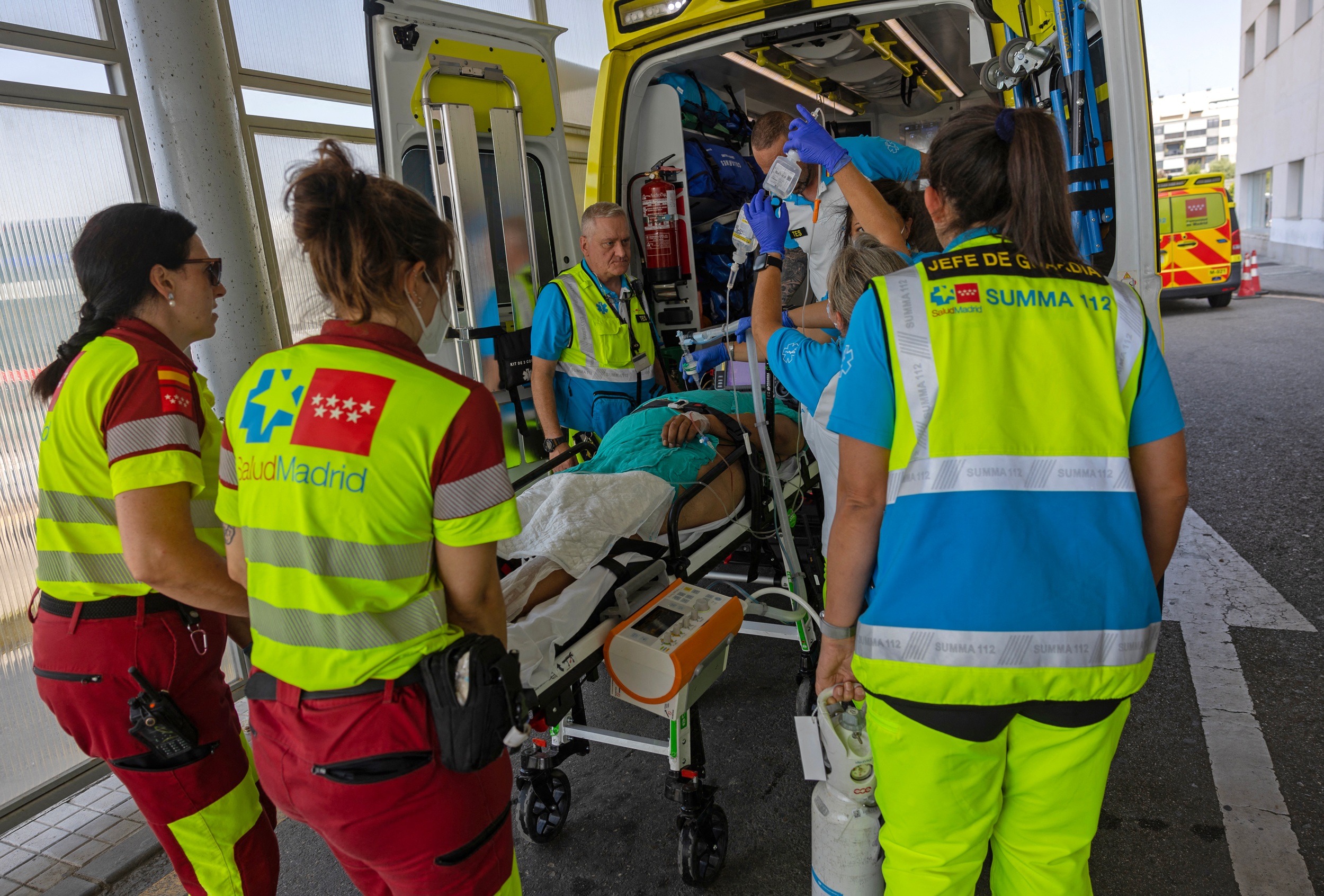
High-Risk Demographics and Tactical Prevention
The deadly heatstroke risk disproportionately impacts specific segments of our population. Specifically, the elderly, infants, and outdoor workers occupy the highest risk tiers. To mitigate this threat, the following protocols must be strictly observed:
- Hydration Precision: Maintain constant fluid intake regardless of thirst levels.
- Tactical Clothing: Utilize loose-fitting, light-colored fabrics to facilitate airflow.
- Exposure Control: Eliminate direct sunlight exposure during peak thermal hours.
- Vehicle Safety: Never leave dependents in parked vehicles, as internal temperatures reach lethal levels within minutes.
The Situation Room: Analysis
The Translation
Heatstroke is not merely “feeling hot”; it is a mechanical failure of the body’s thermoregulation system. When the body’s internal cooling mechanisms are overwhelmed by external ambient heat, cellular structures begin to degrade. We must view this as a thermal overload of our biological hardware that requires immediate external stabilization.
The Socio-Economic Impact
The deadly heatstroke risk exerts a profound strain on Pakistan’s productivity. In urban centers like Karachi and Lahore, the loss of labor hours among outdoor workers impacts the construction and logistics sectors. Furthermore, the sudden influx of heat-related emergencies can saturate our healthcare infrastructure, diverting resources from other critical medical needs. For the average household, this necessitates higher expenditures on cooling and medical stabilization, reducing disposable income.
The Forward Path
This development represents a Stabilization Move rather than a momentum shift. While the current health advisories are necessary for survival, they are reactive. To achieve a true momentum shift, Pakistan must invest in “cool-roof” technologies and urban forestry. We must transition from merely surviving heatwaves to architecting a climate-resistant infrastructure that diminishes the baseline risk for every citizen.








