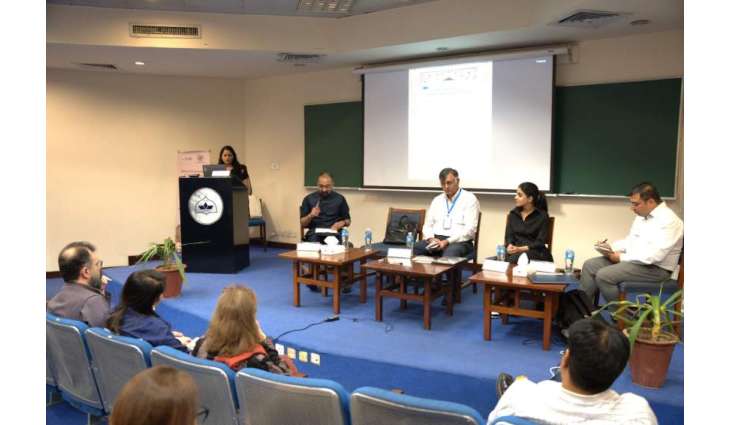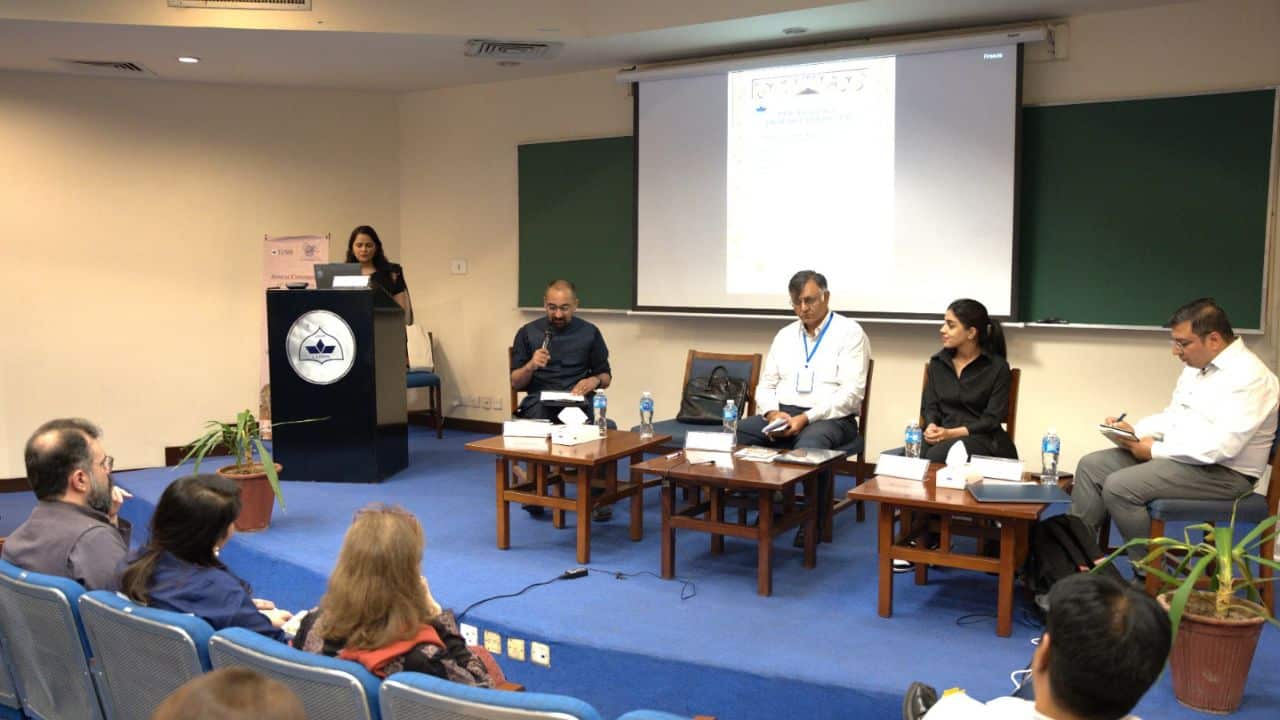
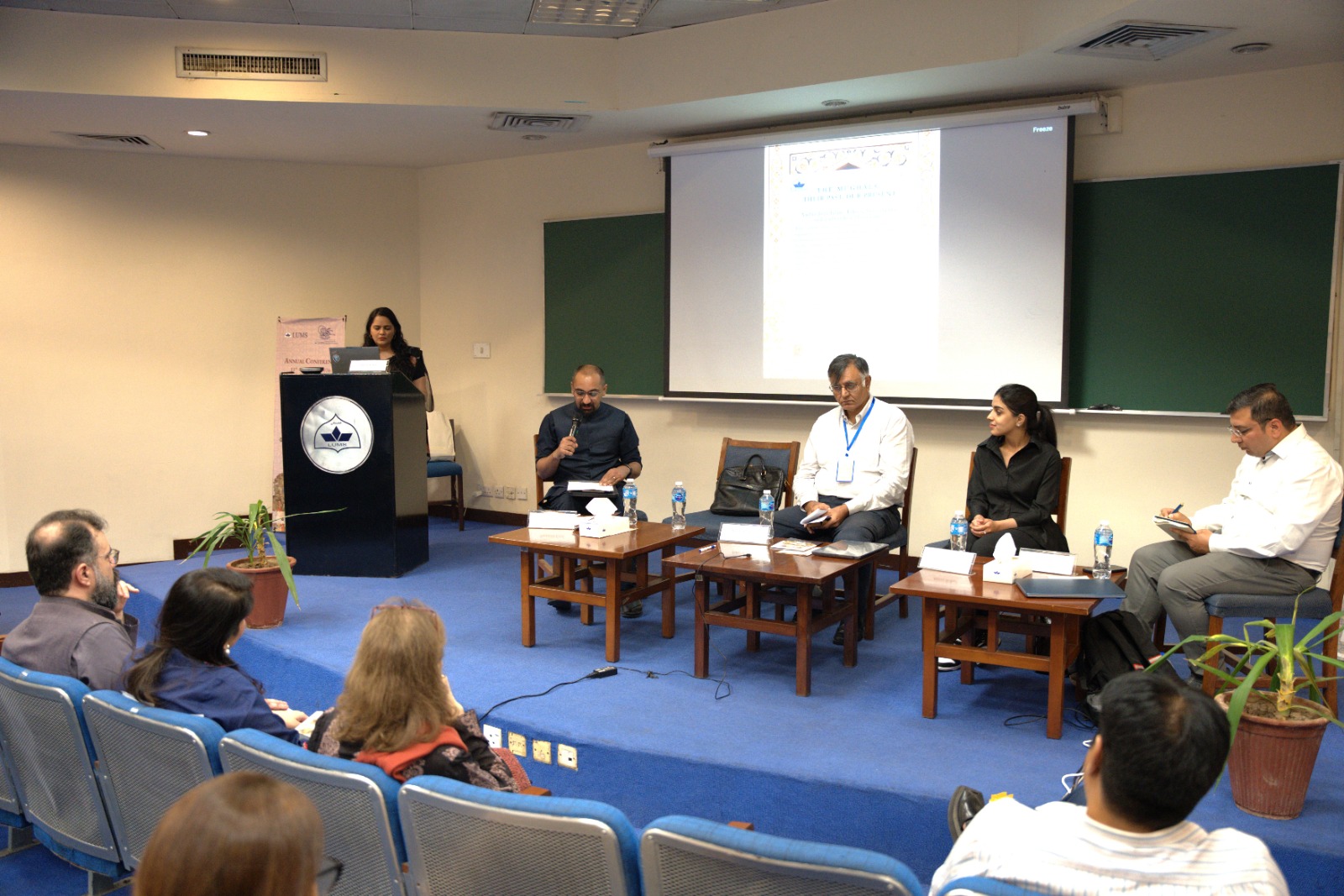
National progress requires a calibrated understanding of historical systems to engineer a coherent future. The Gurmani Centre for Languages and Literature at LUMS recently convened its Annual Conference 2026 to analyze the Mughal cultural legacy. Titled “The Mughals: Their Past, Our Present,” this event gathered strategic thinkers and scholars to map how five centuries of history still influence contemporary South Asian structures. Consequently, the conference transformed historical data into a baseline for understanding modern identity and governance.
The Translation: Decoding Historical Operating Systems
While history often feels like a series of static events, the Mughal cultural legacy acts as an active catalyst for our modern legal and social frameworks. Scholars at the conference explained that Mughal systems were not just imperial rules but complex intellectual architectures. These structures continue to influence how we approach pluralism and sovereignty today. Furthermore, the keynote address by Professor Jamal J. Elias highlighted the precision of Persian literary traditions. He explored how these traditions foster a “nostalgia for a literary past” that still dictates the linguistic flow of modern Urdu and regional languages.
The Socio-Economic Impact: Identity as National Infrastructure
For the average Pakistani citizen, this historical mapping provides clarity on the collective memory that drives national cohesion. Understanding the Mughal cultural legacy allows students and professionals to navigate the postcolonial landscape with greater structural awareness. Specifically, the conference illustrated how artistic expression and architecture are not mere aesthetics; they are economic assets that define Pakistan’s global cultural standing. By examining regional histories, the conference provided a calibrated view of how local identities integrate into the larger national narrative, fostering a more inclusive society.

The Forward Path: A Strategic Momentum Shift
In the “Situation Room” analysis of Pakistan’s intellectual trajectory, this development represents a Momentum Shift. Instead of maintaining a passive relationship with history, LUMS is driving a proactive engagement with our heritage. This scholarship is essential for building a future where our cultural identity is grounded in precision and evidence rather than mythology.
- Calibrated Scholarship: Advancing critical humanities research to inform national policy.
- Structural Continuity: Recognizing the link between Mughal law and contemporary legal imagination.
- System Efficiency: Utilizing cultural memory as a catalyst for modern pluralism.