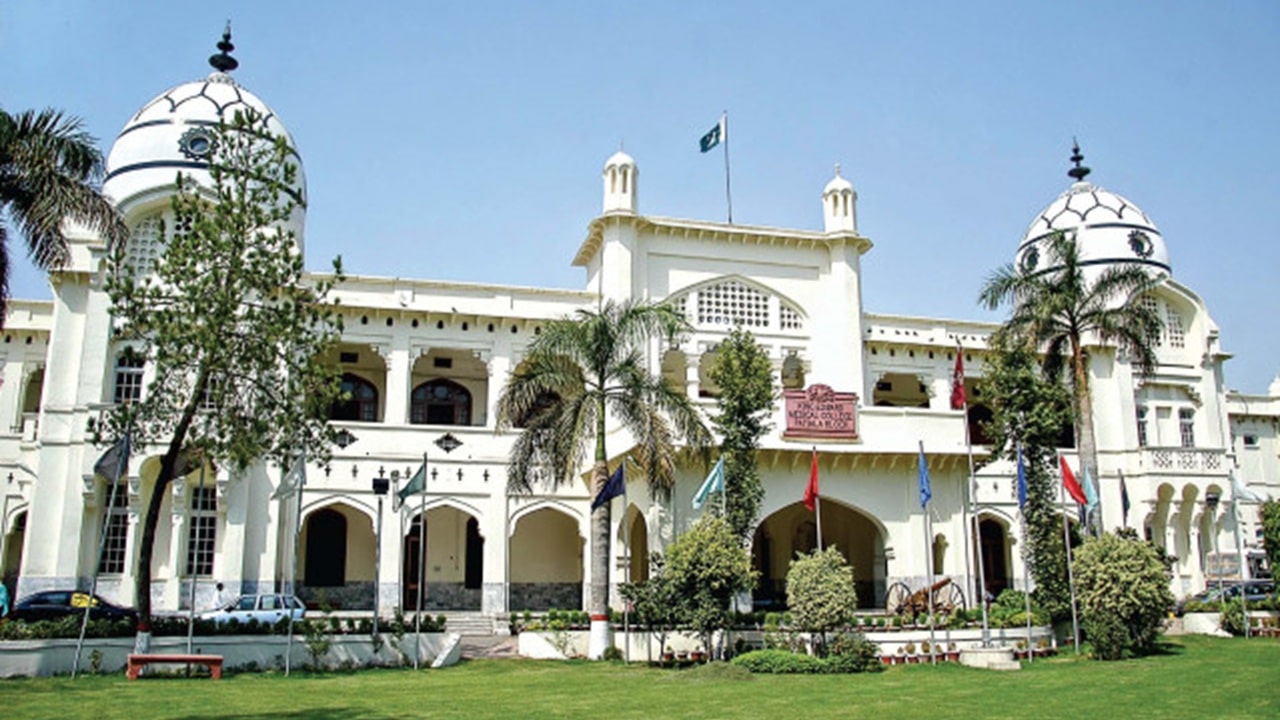
The Punjab health department has halted the ongoing selection process for leadership roles at five public medical universities to implement a calibrated policy change. Specifically, the government proposes increasing the maximum age limit for Punjab Medical VCs from 65 to 75 years. This structural adjustment seeks to retain veteran academic leadership across the province’s most prestigious institutions, including King Edward Medical University and the University of Health Sciences.
Strategic Shift: Raising the Age Limit for Punjab Medical VCs
The Specialized Healthcare Minister, Khawaja Salman Rafique, confirmed that the department initiated this proposal to utilize the expertise of highly experienced medical teachers. Currently, candidates cannot serve past the age of 65. However, the new ordinance would allow sitting vice chancellors to seek second or even third terms well into their seventies. Consequently, this move aims to provide a baseline of administrative stability during a period of curriculum modernization.
Despite the official justification, the proposal has generated significant friction within the medical fraternity. Many serving senior doctors, who applied before the May 6 deadline, now fear this age relaxation will obstruct the leadership pipeline. These professionals argue that the revision primarily benefits a specific group of elderly incumbents seeking to extend their influence over Pakistan’s medical landscape.
The Translation: Deciphering the Policy Change
In technical terms, this move represents a pivot from “Succession-Driven” leadership to “Tenure-Extension” leadership. By raising the age limit, the government is prioritizing institutional memory over youthful administrative innovation. The use of a legal ordinance suggests a requirement for immediate structural permanence, bypassing standard selection cycles to ensure that current “architects” of medical education remain at the helm.
Socio-Economic Impact: What This Means for Citizens
For the average Pakistani citizen, this policy impacts the quality of healthcare education that future doctors receive. Stable leadership can lead to consistent long-term projects and international accreditation. Conversely, a stagnant leadership tier may delay the adoption of modern, STEM-driven methodologies that younger professionals often champion. Effectively, the speed of healthcare innovation in Punjab now rests on the decision to either empower veterans or catalyze the next generation.
The Forward Path: Momentum or Stagnation?
From a strategic standpoint, this development is a Stabilization Move. While preserving experienced talent prevents immediate leadership vacuums, it risks creating a structural bottleneck. To ensure national advancement, the health department must balance this age relaxation with rigorous, merit-based performance audits. Without such precision, the policy may stabilize the present at the expense of the future.