
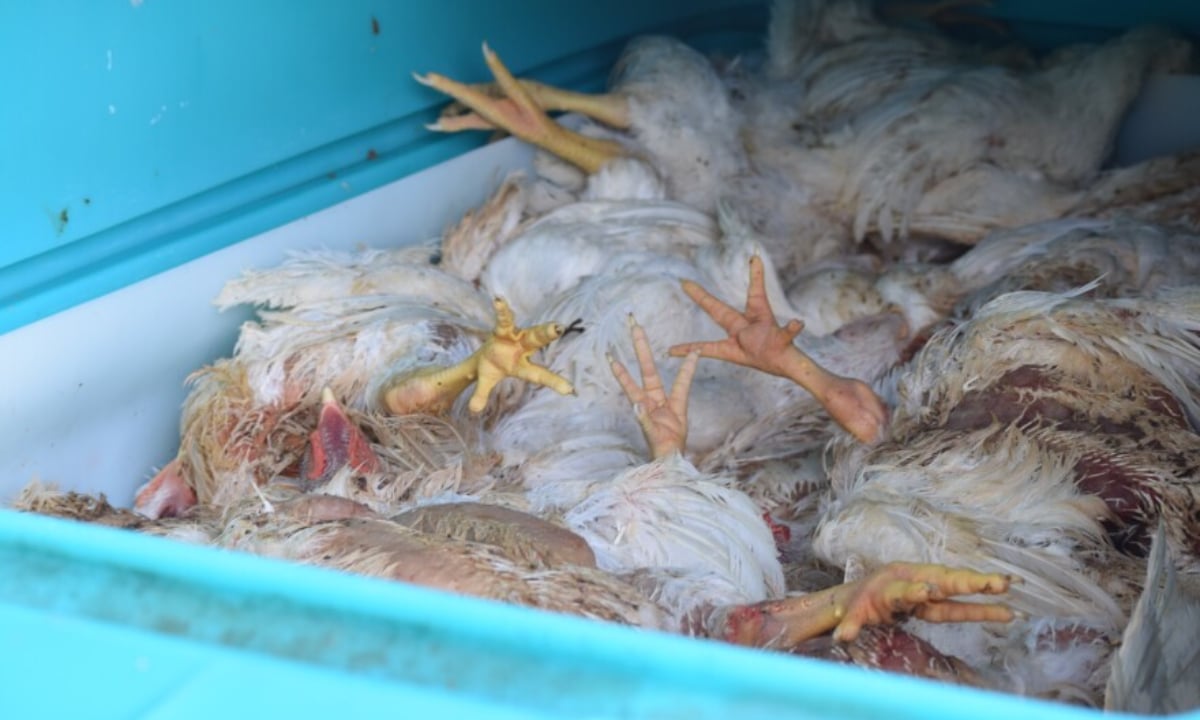
The Punjab Food Authority executed a calibrated enforcement operation to neutralize a major threat to Lahore’s urban supply chain. Consequently, officials seized and destroyed 21,000 kilograms of hazardous biological material during targeted raids across four major industrial zones. This strategic intervention highlights a significant baseline for system efficiency in national food security protocols.
Calibrating Food Safety Regulations in Lahore
Strategically deployed units focused on Sundar Estate, Shahdara, Tollinton Market, and Mondiali Stop to intercept counterfeit food businesses. Specifically, the enforcement team confiscated several hazardous components:
- 18,000 kilograms of unprocessed animal fat and offal.
- 3,000 kilograms of dead chicken meat prepared for distribution.
- 600 liters of hazardous oil processed without safety records.
DG Syed Musa Raza directed these operations to ensure strict adherence to established food safety regulations. Furthermore, authorities registered one formal case and arrested three individuals involved in these illicit operations. The authority also sealed a water plant and a production unit for critical hygiene violations while imposing fines totaling Rs 352,000 on 19 non-compliant outlets.
The Situation Room: Structural Analysis
The Translation
Inspectors identified a catastrophic lack of Methanol Dye verification and chemical testing records in processed oils. In precision terms, using animal fat for edible oil without laboratory-grade filtration creates toxic industrial grease rather than food. This systematic bypass of safety protocols represents a severe breach of public trust and legal frameworks.
The Socio-Economic Impact
This crackdown acts as a catalyst for maintaining national productivity. When hazardous food enters the market, it increases the healthcare burden on urban households and reduces the workforce’s operational capacity. By removing 21,000kg of toxins, the Punjab Food Authority prevents thousands of potential hospitalizations, directly protecting the disposable income of Pakistani families.
The “Forward Path” (Opinion)
This development represents a Momentum Shift for Pakistan’s regulatory landscape. While enforcement is a stabilization move, the scale of this seizure signals a transition toward a more disciplined, STEM-driven inspection model. We must now move beyond reactive raids and toward a digital, blockchain-based traceability system for all meat and oil production to ensure permanent food security.








