
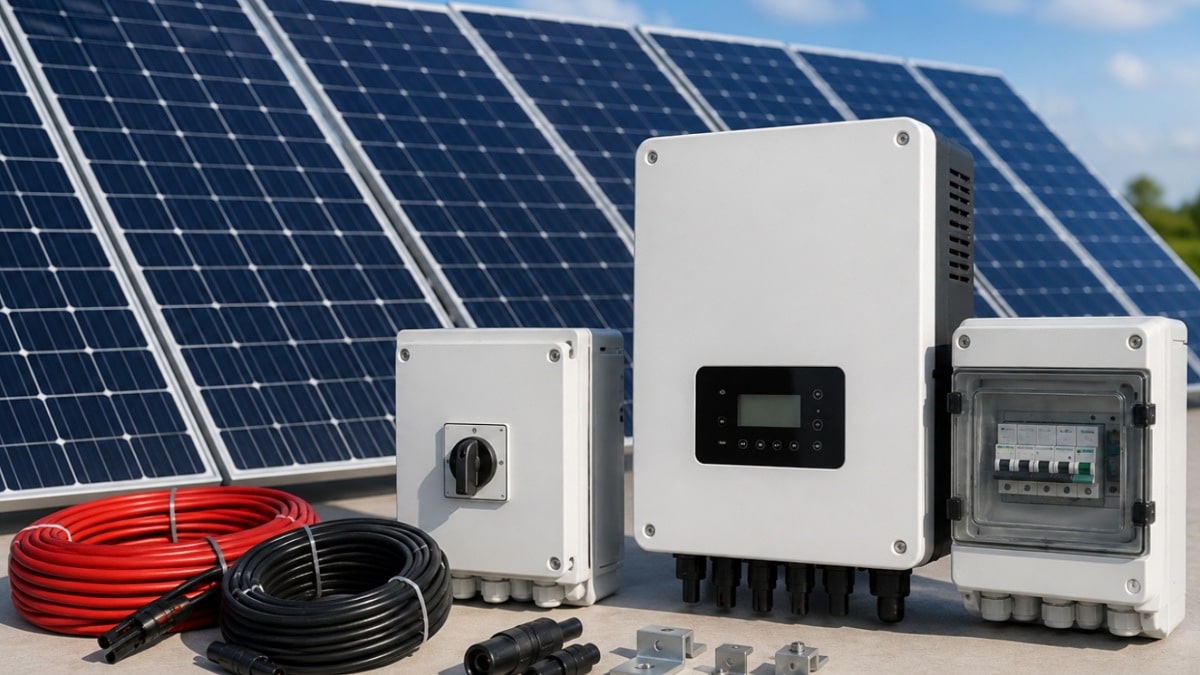
The Pakistan Solar Association (PSA) and the Lahore Tax Bar Association have formally rejected a strategic proposal to implement an 18% solar energy taxation rate in the upcoming federal budget. This potential policy shift, escalating from the current 10% baseline, threatens to destabilize Pakistan’s transition toward renewable self-reliance and energy efficiency. Consequently, industry leaders are urging the government to maintain current incentives to protect the nation’s fragile energy equilibrium.
Analyzing the Impact of Solar Energy Taxation on National Grid Stability
Representatives from various trade bodies highlighted that solar adoption has already calibrated a significant reduction in the national grid’s peak load. By decentralized power generation, millions of consumers have mitigated domestic electricity costs while simultaneously shielding the state from volatile global energy prices. Specifically, the country avoided approximately $12 billion in oil and gas import costs over the past four years due to rapid solar growth.
- Economic Shield: $12 billion saved in foreign exchange reserves since 2020.
- Grid Relief: Reduced pressure on aging national power infrastructure.
- Consumer Resilience: Affordable energy access for middle-class households.
The Situation Room: Strategic Analysis
The Translation (Clear Context)
In technical terms, the proposed fiscal adjustment seeks to expand the tax net by treating renewable energy hardware as conventional imports. However, this logic ignores the structural benefit of decentralized power. The PSA argues that shifting from a 10% to an 18% tax rate creates a friction point that discourages private investment in energy independence, essentially penalizing those who solve their own energy needs.
The Socio-Economic Impact
Furthermore, the proposed solar energy taxation directly impacts the middle-class baseline. Families who utilized savings or calibrated loans to install solar systems as a hedge against load-shedding now face increased maintenance and expansion costs. Consequently, in rural and urban Pakistan, this tax would render clean energy less accessible, forcing households back into a cycle of high-tariff grid dependency.
The Forward Path (Opinion)
This development represents a Stabilization Move in the short term for revenue collection but is a Strategic Regress for long-term energy security. To maintain momentum, the government must prioritize system efficiency over immediate tax gains. A transition toward cleaner energy requires precision in policy, not blunt fiscal measures that penalize technological innovation.








