
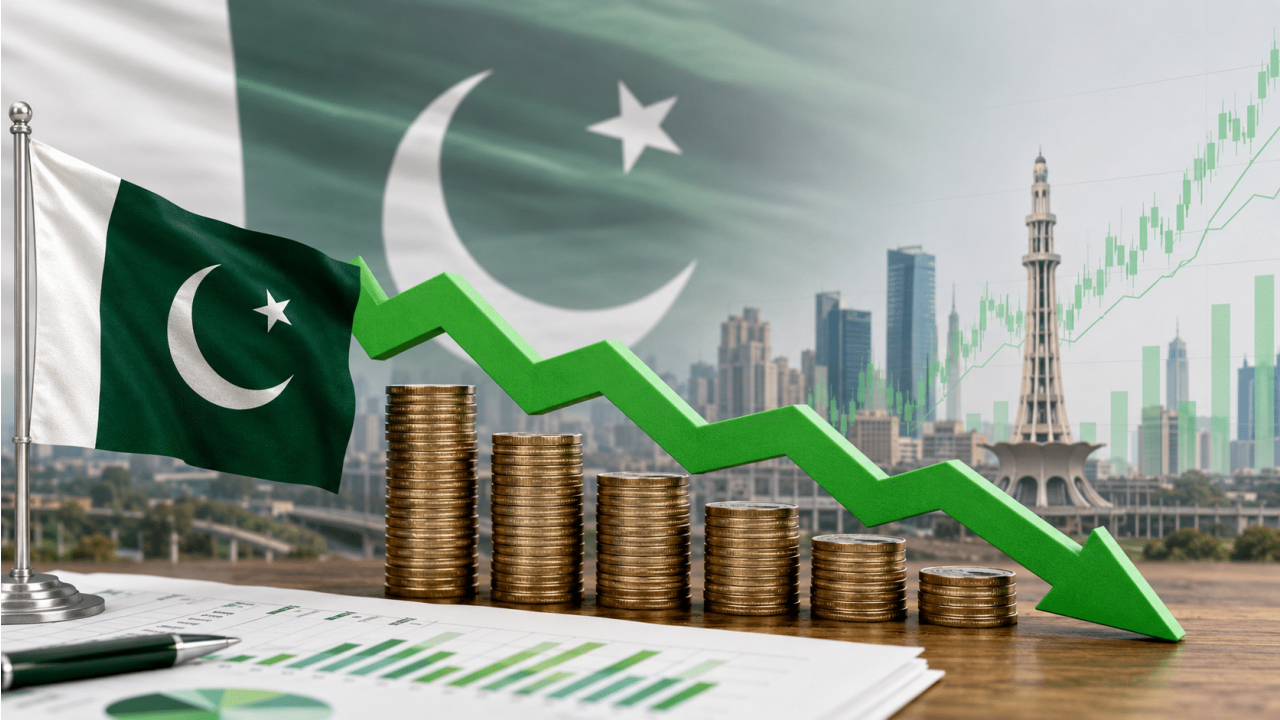
Pakistan’s federal budget is undergoing a significant structural recalibration. Projections from Topline Securities suggest the federal budget outlay for fiscal year 2026-27 will settle at Rs. 17.1 trillion. This figure represents a deliberate contraction from the record spending observed in previous years, signaling a transition toward a more disciplined fiscal baseline.
The Architecture of Fiscal Discipline
The projected Pakistan federal budget for FY27 follows a downward trajectory. It sits below the revised outlay of Rs. 17.573 trillion for FY26 and is significantly lower than the historic peak of Rs. 18.877 trillion recorded in FY25. Consequently, this moderation reflects a strategic pivot. The government is moving away from aggressive expenditure and toward long-term financial sustainability.
- FY25 (Peak): Rs. 18.877 Trillion
- FY26 (Projected): Rs. 17.573 Trillion
- FY27 (Target): Rs. 17.1 Trillion
Data compiled by Topline Research highlights a drastic evolution. The budget grew from a mere Rs. 5.246 trillion in FY19 to its 2025 peak before the current phase of contraction began. This calibrated reduction serves as a catalyst for meeting stringent economic reform objectives and reducing national debt pressures.
The Situation Room: Analysis
The Translation
In “Next Gen” terms, a shrinking budget outlay means the government is tightening its belt. Instead of funding growth through massive spending and potential debt, the state is prioritizing efficiency. This move aligns with global economic reform programs, ensuring that every rupee spent is calibrated for maximum structural impact rather than short-term optics.
The Socio-Economic Impact
For the average Pakistani citizen, this shift toward a leaner Pakistan federal budget is a double-edged sword. In the short term, reduced government spending may slow down large-scale infrastructure projects. However, the long-term benefit is a more stable currency and lower inflationary pressure. For professionals and students, this fiscal discipline creates a more predictable economic environment, which is essential for private sector job creation and investment.
The Forward Path
This development represents a Momentum Shift. Moving from record-breaking expenditures to a leaner, more precise budget indicates that Pakistan is graduating from a phase of crisis management to one of structural stabilization. While the contraction might feel restrictive, it is the necessary precision required to build a resilient national economy.








