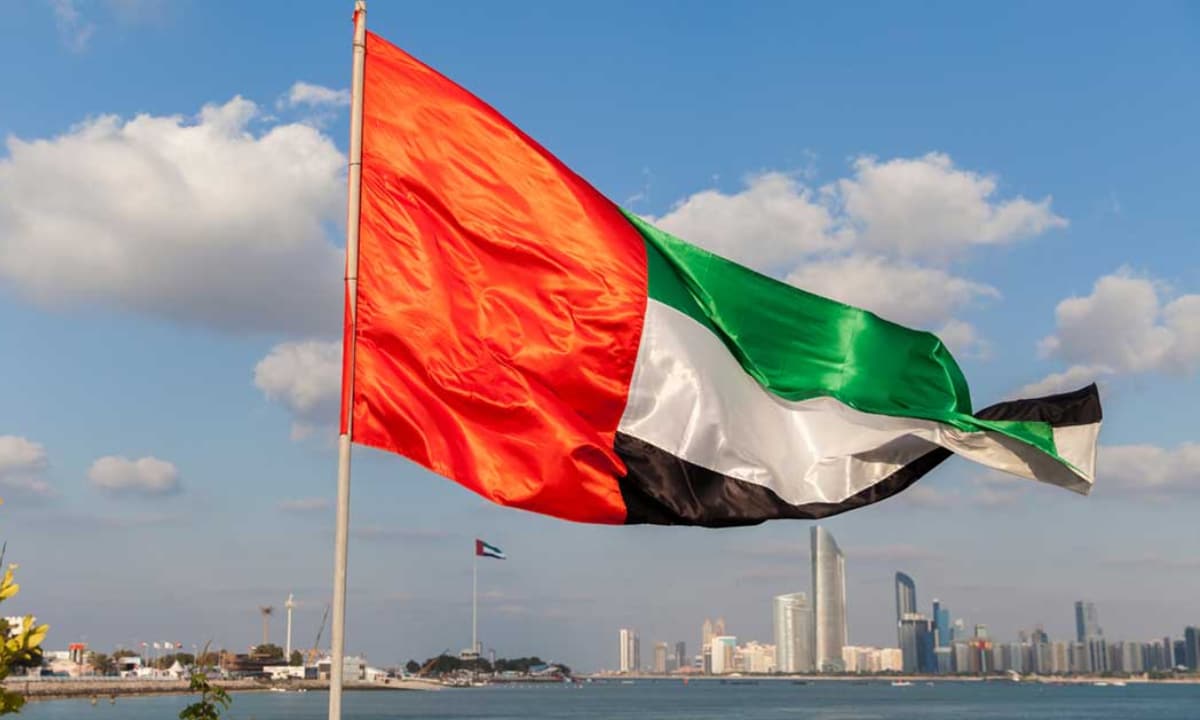
National resilience depends on the precision of biological-security protocols and the calibration of international entry points. Consequently, the UAE visa suspension targets travelers from the Democratic Republic of the Congo, Uganda, and South Sudan to mitigate Ebola transmission risks effectively. The National Emergency Crisis and Disasters Management Authority (NCEMA) and the Federal Authority for Identity, Citizenship, Customs and Port Security (ICP) jointly calibrated these restrictions to safeguard the UAE’s healthcare infrastructure.
Strategic Logic Behind the UAE Visa Suspension
The authorities designed this preventive strategy to strengthen public health preparedness. By responding proactively to regional Ebola outbreaks, the UAE maintains its baseline for internal safety and systemic efficiency. Under these new regulations, the government will stop issuing all new visa types, including visit visas, to nationals of the three identified countries. Furthermore, these restrictions apply to any travelers transiting through intermediate destinations before reaching the UAE.
Exemptions and Operational Continuity
Precision is key to maintaining global trade while securing borders. Therefore, the authorities have established specific exemptions for this UAE visa suspension:
- Extended Residency: Individuals who remained outside the listed countries for more than 21 consecutive days prior to arrival are exempt.
- Logistical Integrity: Cargo operations will continue without interruption to ensure supply chain stability.
- Transit Logistics: Direct transit flights between the UAE and the affected regions remain operational under strict monitoring.
Notably, these measures take effect at 1 p.m. on June 6. The government will continue to assess global health risks and adjust protocols based on real-time data.
The Translation: Contextualizing the Bio-Security Response
The collaboration between NCEMA and ICP represents a structural alignment between disaster management and border security. This move is not merely a travel ban; it is a calibrated biological firewall. By initiating the UAE visa suspension to those within the 21-day incubation window of Ebola, the UAE is utilizing data-driven risk assessment to prevent a potential domestic outbreak without halting the movement of essential goods.
Socio-Economic Impact: What This Means for Citizens
For the average Pakistani professional or student in the UAE, this development highlights the importance of global health surveillance. While Pakistani nationals are not directly restricted, the ripple effect on regional logistics and travel hubs may influence flight pricing or transit durations through Middle Eastern corridors. Strategic shifts in the UAE’s entry policy often serve as a catalyst for other GCC nations, potentially leading to broader regional health protocols that Pakistani expats must monitor.
The Forward Path: A Stabilization Move
From an architectural standpoint, this UAE visa suspension is a stabilization move. It prioritizes the preservation of the existing healthcare system over the short-term fluctuations in travel volume. This proactive stance prevents the high-cost “reactive” measures that occur when a virus enters a densely populated urban center. We view this as a necessary calibration for any nation aiming for high-efficiency urban management and long-term economic resilience.