

Microsoft has strategically introduced the Surface Laptop Ultra, a calibrated hardware leap that redefines the intersection of portable computing and local artificial intelligence. This precision-engineered machine utilizes Nvidia’s RTX Spark superchip to achieve unprecedented performance levels. Consequently, this development signifies a structural shift in how we approach creator workflows and complex computational tasks within the modern digital ecosystem.
Precision Hardware: The RTX Spark Architecture
The Surface Laptop Ultra integrates Nvidia’s RTX Spark platform, a catalyst for local AI processing. Specifically, the system features a high-density configuration of up to 20 Arm-based CPU cores and 6,144 Blackwell RTX GPU cores. This synergy delivers a baseline of 1 petaflop of AI performance, supported by an expansive 128GB of unified memory. Furthermore, the inclusion of full CUDA support allows developers to utilize Nvidia’s established software ecosystem without the latency of cloud-based solutions.
- Unified Memory: Dynamically shared resources between CPU and GPU for complex data modeling.
- AI Scale: Capable of running 120 billion parameter models locally on the device.
- Rendering Efficiency: Optimized for 12K video editing and real-time 3D workflows.

Next-Generation Display and Ergonomics
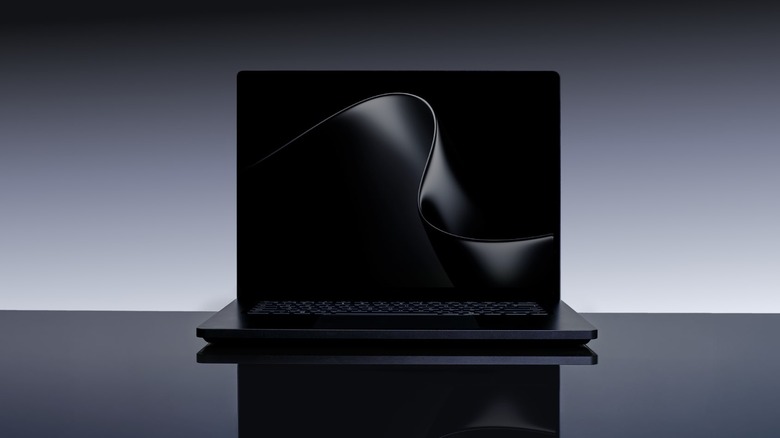
Visual precision remains a core pillar of the Surface Laptop Ultra design. The device features a 15-inch mini LED PixelSense Ultra touchscreen, delivering 2,000 nits of peak HDR brightness. This structural enhancement ensures visibility in diverse lighting environments while maintaining 262 pixels per inch for maximum clarity. Moreover, the hardware remains portable, weighing under 4.5 pounds despite its robust cooling system and extensive port selection, including HDMI and dedicated SD card slots.

Windows Optimization for Agentic AI
Microsoft has updated the Windows kernel to accommodate the unique requirements of the Surface Laptop Ultra. Notably, new workload profile scheduling helps the OS scale tasks across the hybrid CPU architecture more efficiently. This software calibration is essential for “Agentic AI,” where local agents like Hermes and OpenClaw operate within secure, OS-enforced identity containers. As a result, users gain higher control over data privacy while benefiting from autonomous AI task management.

The Translation: Local Intelligence Explained
In technical terms, the move to “RTX Spark” means shifting AI power from remote servers to your physical desk. Traditionally, massive AI models required an internet connection and external servers to function. The Surface Laptop Ultra changes this logic by hosting that power internally. This results in faster response times, enhanced security, and the ability to work on sensitive creative projects without uploading data to the cloud.
The Socio-Economic Impact: Empowering the Pakistani Workforce
This development has significant implications for Pakistan’s growing freelance and STEM sectors. High-performance hardware like the Surface Laptop Ultra lowers the barrier for local professionals to compete in global 3D animation, data science, and software development markets. By providing the tools for 12K video editing and local LLM development, it allows Pakistani households to transform into high-tech production hubs, bypassing the limitations of inconsistent internet speeds for cloud-heavy tasks.
The Forward Path: A Momentum Shift
The introduction of the Surface Laptop Ultra represents a definitive Momentum Shift. Microsoft is no longer just maintaining its hardware line; it is aggressively setting a new standard for the “AI PC.” By integrating Nvidia’s Blackwell architecture into a portable form factor, Microsoft has provided a precision tool that bridges the gap between consumer laptops and enterprise-grade workstations. This move signals a future where local compute power is the primary metric of digital sovereignty.








