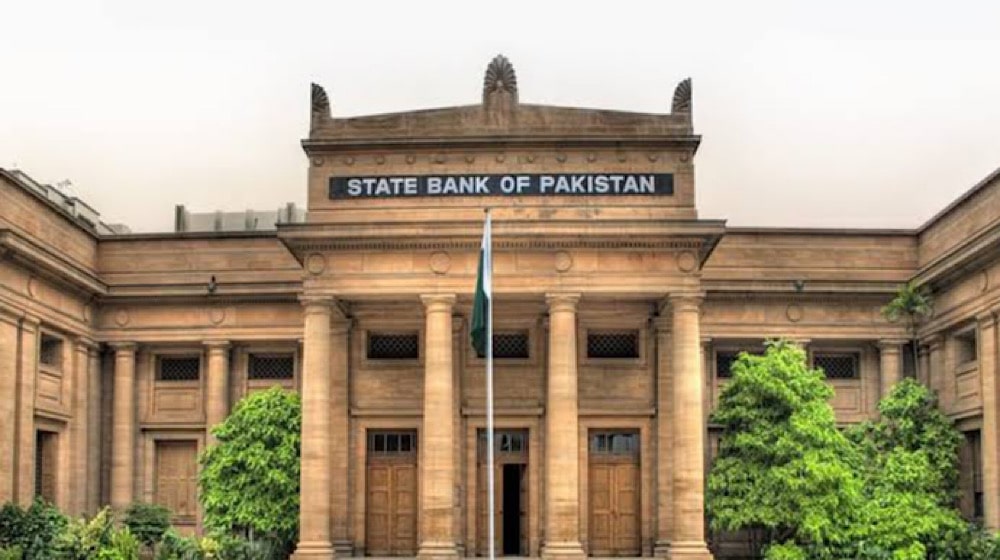
A recent Sindh High Court ruling has successfully calibrated the baseline for workplace inclusivity by suspending the termination of a State Bank of Pakistan (SBP) employee. The court intervened after the bank allegedly dismissed Iman Gulzar because her heart is located on the right side of her body. Consequently, this legal move ensures that congenital physical variations cannot be weaponized as grounds for employment termination.
The Judicial Intervention in Corporate Medical Standards
The constitutional petition, filed by Iman Gulzar, challenged the SBP’s decision to terminate her employment based on medical grounds. During the hearing, a bench comprising Justice Muhammad Saleem Jessar and Justice Nisar Ahmed Bhanbhro analyzed the structural logic of the bank’s decision. The bench expressed strong displeasure, noting that a right-sided heart is often a normal congenital condition. Therefore, declaring a candidate unfit for service based on such a unique physical structure lacks scientific and legal precision.

Immediate Reinstatement and Training Directives
The court suspended the termination order with immediate effect and issued a strategic directive to the SBP administration. Specifically, the bench ordered the bank to send Gulzar for her scheduled training without further delay. Furthermore, the court issued formal notices to the Governor of the State Bank and other relevant authorities to submit detailed replies before the next hearing, currently adjourned until August 2026.
The Translation: Contextualizing Medical Variations
In technical terms, the condition described is known as Dextrocardia. While rare, it often presents no functional impairment to the individual. The Sindh High Court ruling clarifies the logic that “different” does not mean “deficient.” By dismissing an employee for an anatomical variation that does not impact job performance, an institution fails to meet the baseline of modern human resource management. The court has effectively redefined “medical fitness” to exclude arbitrary aesthetic or structural differences that do not hinder system efficiency.
The Socio-Economic Impact: Protecting the Pakistani Workforce
This development directly impacts every Pakistani professional and student entering the workforce. It establishes a critical legal precedent: an employer cannot use a “medical condition” as a catalyst for dismissal unless it directly impairs the ability to perform tasks. For households in both urban and rural Pakistan, this provides a safety net against discriminatory hiring and firing practices. It ensures that specialized talent is not lost to the economy due to outdated or rigid medical baseline assessments.
The Forward Path: Strategic Momentum Shift
In our expert view, this development represents a significant Momentum Shift for labor rights in Pakistan. By holding a powerhouse institution like the State Bank accountable, the judiciary is signaling a move toward a more sophisticated, STEM-aligned understanding of human biology in the workplace. This precision in legal interpretation prevents the systemic marginalization of individuals with rare but harmless medical conditions. Moving forward, corporate entities must update their medical evaluation protocols to align with this progressive legal standard.