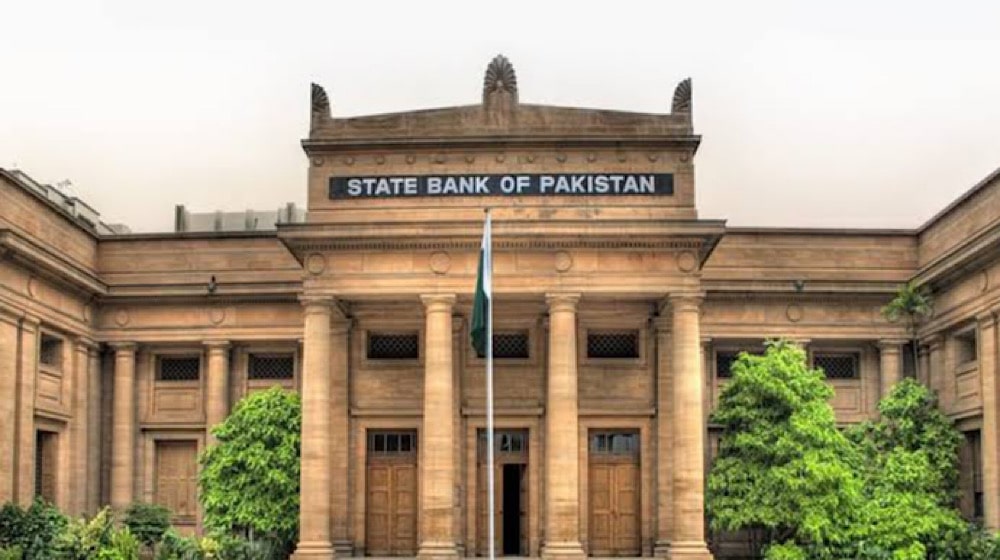
Structural integrity in institutional governance requires a calibrated balance between standardized medical protocols and fundamental human rights. The Sindh High Court recently intervened in a landmark case involving the State Bank of Pakistan’s (SBP) dismissal of an employee, Iman Gulzar, whose termination was allegedly predicated on a rare biological variation. Consequently, this judicial action highlights a critical need for precision in how national institutions evaluate physical fitness versus professional capability.
Judicial Scrutiny of the Sindh High Court Intervention
The case reached a constitutional bench comprising Justice Muhammad Saleem Jessar and Justice Nisar Ahmed Bhanbhro after the SBP terminated Iman Gulzar on medical grounds. Specifically, the bank allegedly removed Gulzar because her heart is located on the right side of her body—a condition known as dextrocardia. During the proceedings, the bench expressed strategic displeasure regarding the bank’s reasoning. The court observed that biological uniqueness does not equate to physical incapacity.
Furthermore, the Sindh High Court emphasized that a congenital condition like the placement of the heart can be entirely normal. Therefore, the bench suspended the termination order with immediate effect. They also directed the SBP administration to reinstate the petitioner and send her for professional training without further delay. This directive serves as a catalyst for systemic reform in human resource management within state-owned entities.
The Translation: Precision in Medical Logic
In technical terms, the State Bank’s decision relied on a rigid interpretation of medical \”fitness\” that failed to distinguish between a pathology and a structural variation. Dextrocardia, while rare, does not inherently limit a person’s cognitive or physical stamina for a banking role. By suspending the order, the Sindh High Court clarified that institutional baseline standards must align with scientific reality rather than superficial anomalies.
The Socio-Economic Impact: Protecting the Pakistani Workforce
This ruling directly impacts the daily lives of Pakistani professionals by establishing a protective barrier against arbitrary discrimination. For students and job seekers in urban centers like Karachi, it reinforces the baseline that their career progression depends on merit and functional capability. Consequently, households can feel more secure knowing that unique physical traits will not lead to financial instability or unfair exclusion from the national economy.
The Forward Path: A Momentum Shift
This development represents a significant Momentum Shift for Pakistan’s legal and professional landscape. It moves the needle from rigid, outdated bureaucratic exclusionary practices toward a more inclusive and structurally sound framework. While the case is adjourned until August 2026 for further replies from the Governor of the State Bank, the immediate suspension of the termination order signals a victory for precision and fairness in the workforce.