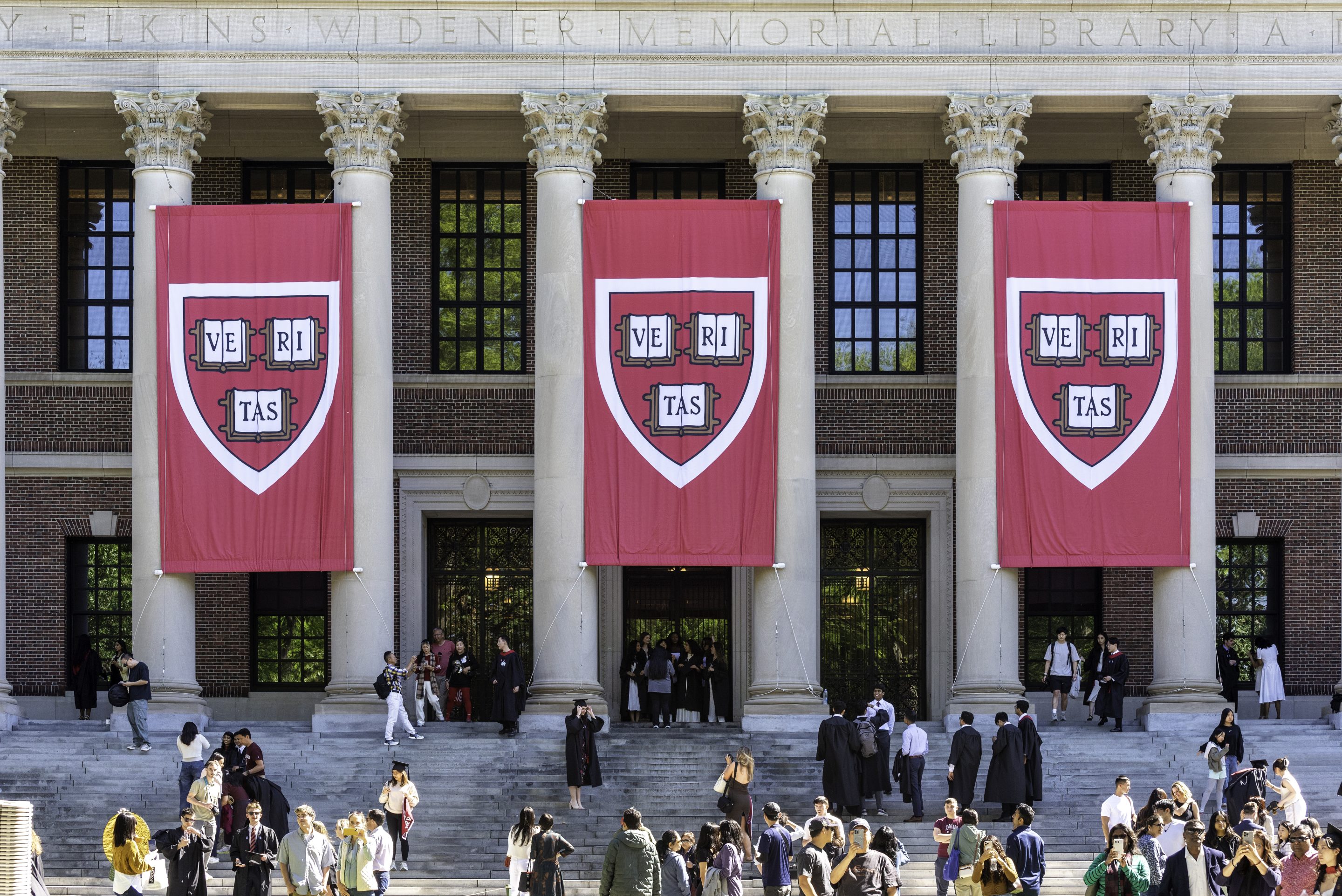
The rapid calibration of global labor markets by synthetic intelligence necessitates a structural audit of traditional education. Current data suggests that several AI University Degrees are facing an unprecedented loss of baseline utility as automation replaces routine cognitive labor. Consequently, students and professionals must pivot towards high-value specializations to maintain a competitive advantage in a precision-driven economy.
The Situation Room: Architectural Context
The Translation
We are witnessing a fundamental decoupling of “degree acquisition” from “labor market value.” Traditionally, a degree served as a signal of competence for routine white-collar tasks. However, AI now executes these tasks—such as data entry, basic analysis, and draft generation—at a fraction of the cost. This shift effectively “commoditizes” entry-level professional roles, making generalist education less viable than specialized technical mastery.
10 Degrees Under Structural Pressure
- Business Administration: General management roles are shrinking as AI handles strategic drafting and administrative logistics.
- Marketing & Media: Automation tools now manage campaign planning and routine reporting with extreme precision.
- Journalism: While investigative work remains, AI now generates most routine news summaries and headlines.
- Law & Paralegal Studies: Large Language Models (LLMs) conduct document reviews and legal research faster than junior associates.
- Computer Science: Basic coding is becoming automated; however, demand for systems architects remains high.
- Accounting: Software now automates bookkeeping and routine reconciliation, shifting the focus to high-level advisory.
- Finance: Algorithmic modeling is replacing entry-level financial analysts in major global firms.
- Graphic Design: Generative AI creates basic visuals instantly, requiring designers to focus on creative direction.
- English Literature: The demand for routine copywriting is falling, though high-level storytelling remains a human-centric asset.
- General Humanities: Broad research roles are evolving; success now requires the integration of digital tools with critical thinking.
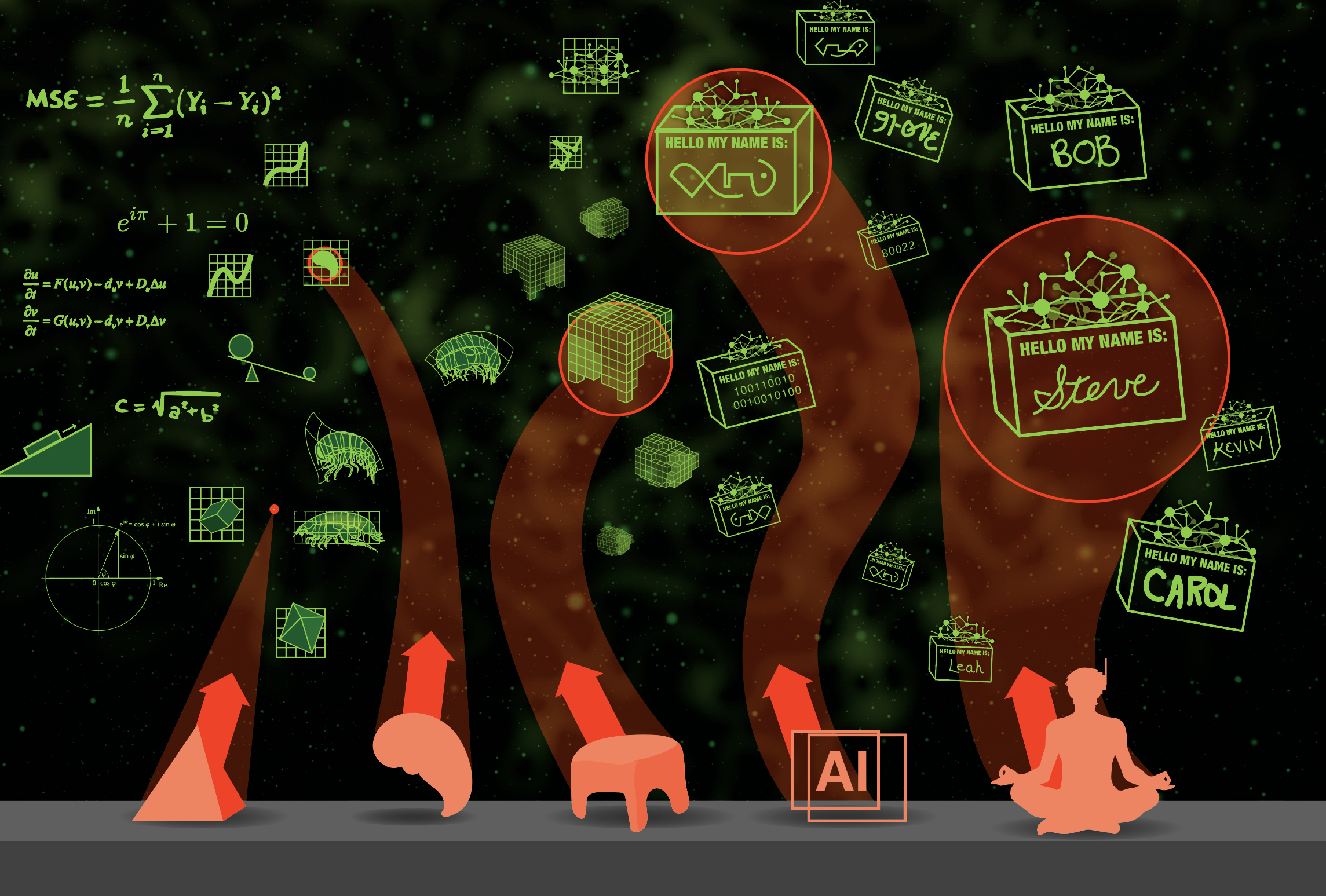
Socio-Economic Impact: The Pakistani Context
For the Pakistani household, this transition is a double-edged sword. On one hand, the cost of traditional education is rising, while the ROI of “safe” degrees is plummeting. Consequently, students in urban centers like Karachi and Lahore must aggressively pursue certifications in AI University Degrees related to machine learning and systems architecture. In rural areas, the lack of digital literacy could widen the wealth gap as automated services replace traditional clerical roles.
The Forward Path (Opinion)
This development represents a Momentum Shift. While the obsolescence of certain tasks is disruptive, it forces a necessary evolution in our academic curricula. Pakistan must move away from “rote-learning” degrees and toward “problem-solving” frameworks. We must view AI not as a replacement, but as a baseline catalyst for human productivity. Therefore, the value of a degree is no longer in the diploma itself, but in the graduate’s ability to orchestrate complex systems.