
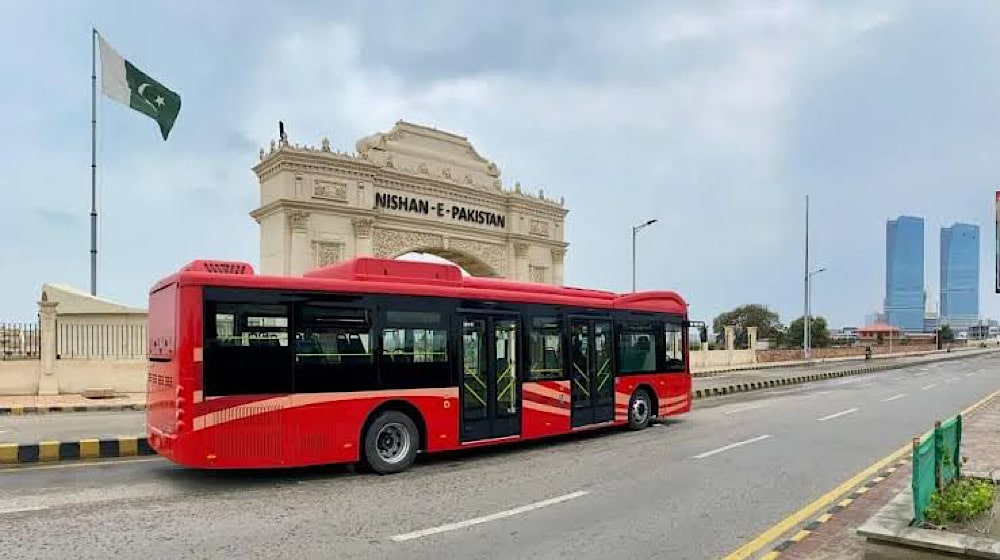
Karachi electric bus services are currently navigating a significant operational bottleneck following a technical failure at the Mehran Depot. This structural disruption disconnected the primary charging infrastructure, forcing a calibrated shift in the fleet’s deployment strategy to maintain urban mobility. Consequently, the Peoples Bus Service administration has transitioned to a hybrid-contingency baseline for the past 72 hours.
Strategic Disruptions Across the Digital Transit Map
The technical fault specifically targets the energy-delivery systems required for high-capacity EV fleets. Because the charging facilities at Mehran Depot remain offline, the following high-traffic routes are currently utilizing hybrid substitutes:
- EV-1: Serving the corridor between Malir Cantt and Sea View.
- EV-3: Connecting the residents of Malir Cantt to the Numaish intersection.
- R-1 (Pink Bus): Facilitating segregated transit from Khokhrapar to Dockyard.
Officials indicated that the operational continuity of these routes is fragile. If the grid connection at the depot does not achieve stabilization shortly, a full suspension of these Karachi electric bus services remains a strategic possibility.
The Situation Room: Critical Analysis
The Translation (Clear Context)
In technical terms, this is a failure of localized infrastructure resilience. While the buses themselves are advanced, the “charging ecosystem” lacks the redundancy required for 24/7 industrial-scale operations. When a single depot loses power, the entire logic of an “Electric City” breaks down. We are seeing a mismatch between high-tech vehicles and a baseline power grid that lacks precision reliability.
The Socio-Economic Impact
This disruption directly compromises system efficiency for Karachi’s mobile workforce. For the average professional or student in Malir and Khokhrapar, the shift to hybrid buses—which may have different capacity or timing calibrations—increases commute uncertainty. More critically, the disruption of the R-1 Pink Bus service impacts gender-inclusive mobility, potentially forcing female commuters back into less secure, private transit alternatives.
The Forward Path (Opinion)
This development represents a Stabilization Move rather than a momentum shift. The deployment of hybrid buses is a necessary tactical pivot to prevent a total shutdown, but it serves as a stark reminder of our infrastructure’s fragility. For Pakistan to lead in green transit, we must move beyond procuring electric vehicles and begin investing in decentralized, solar-backed charging hubs that can operate independently of the primary grid.








