
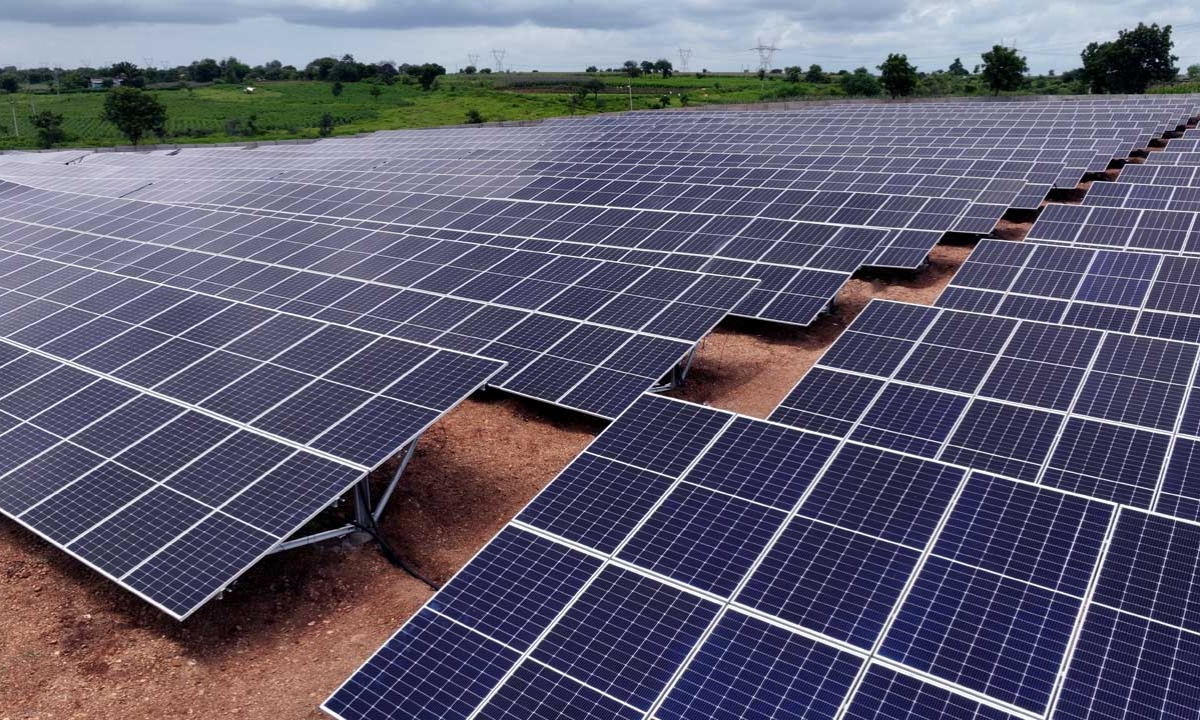
The KP solar power project in Bajaur represents a critical baseline for energy independence in Pakistan’s merged districts, yet it remains functionally dormant. Launched in 2019, this 175kV mini solar grid station was designed to provide uninterrupted, affordable electricity to Khar Bazaar. Despite surpassing its 2024 deadline, the project currently sits as an idle asset due to calibrated financial shortages and logistical friction. While the Pakhtunkhwa Energy Development Organisation (PEDO) completed most civil works, technical integration remains stalled, leaving 324 solar panels disconnected from the local economy.
Structural Bottlenecks Hindering the KP Solar Power Project
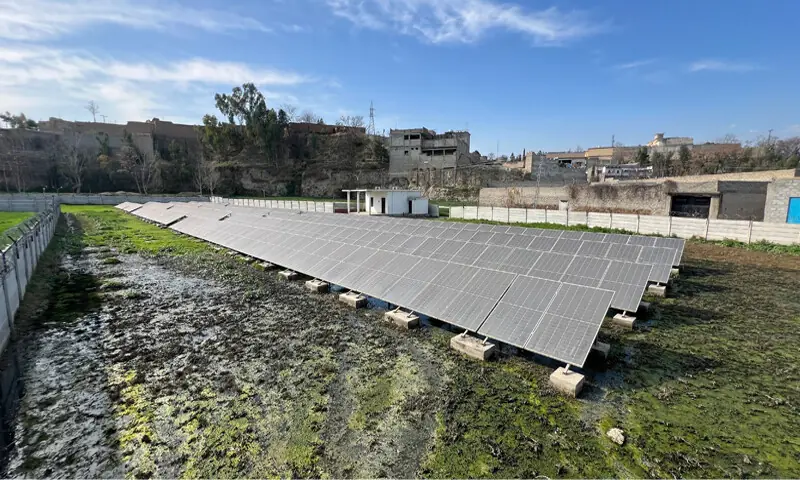
Precision in infrastructure execution is mandatory for national advancement. However, the Khar Bazaar initiative has encountered a series of systemic obstacles. Current reports indicate a critical shortage of funds specifically allocated for the one-kilometre transmission line. Furthermore, local resistance regarding the proposed route has created a strategic impasse. These administrative hurdles are compounded by environmental factors. Recent road construction nearby significantly lowered the site level, leading to water accumulation that threatens the core solar infrastructure.
The Translation: Contextualizing the Grid Lock
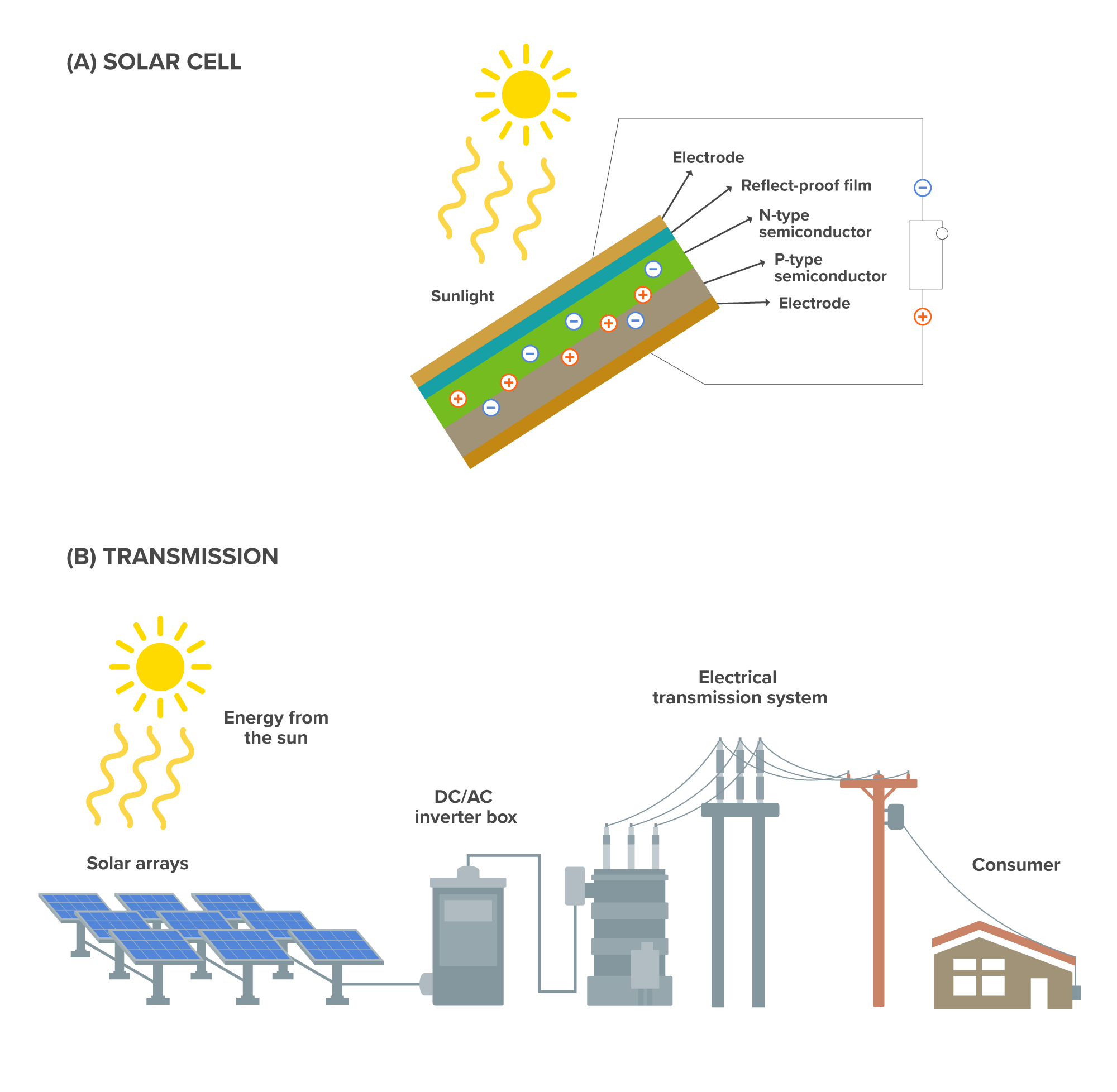
In simple terms, the project is a “nearly finished house without a front door.” While the solar panels (the power source) and the control room are ready, the transmission line (the delivery system) is missing. The “drainage issue” mentioned by officials is a technical failure in site elevation management. Essentially, the site has become a basin for rainwater, which could corrode sensitive electrical components. Consequently, PEDO requires additional capital to either relocate the panels or build a robust drainage system before the switch can be flipped.
Socio-Economic Impact: The Cost of Inaction
The continued delay of the KP solar power project directly suppresses the commercial potential of Khar Bazaar. For the local traders, the lack of reliable energy is not just an inconvenience; it is a catalyst for economic stagnation. Small businesses are forced to rely on expensive, carbon-intensive alternatives or limit their operational hours. This energy deficit hampers job creation and reduces the standard of living for households in the Bajaur district. When critical infrastructure remains non-operational, the gap between urban and rural economic opportunities continues to widen.
The Forward Path: Momentum Shift or Maintenance?
We classify this development as a Stabilization Move that has unfortunately transitioned into a state of inertia. To transform this into a Momentum Shift, the district administration must execute the February 2026 agreement with surgical precision. This includes immediate site leveling and finalizing the alternative transmission route. This project is a microcosm of the broader energy challenges in the merged districts. Authorities must prioritize the activation of the KP solar power project to restore public trust and demonstrate that renewable energy is a viable catalyst for regional prosperity.









