
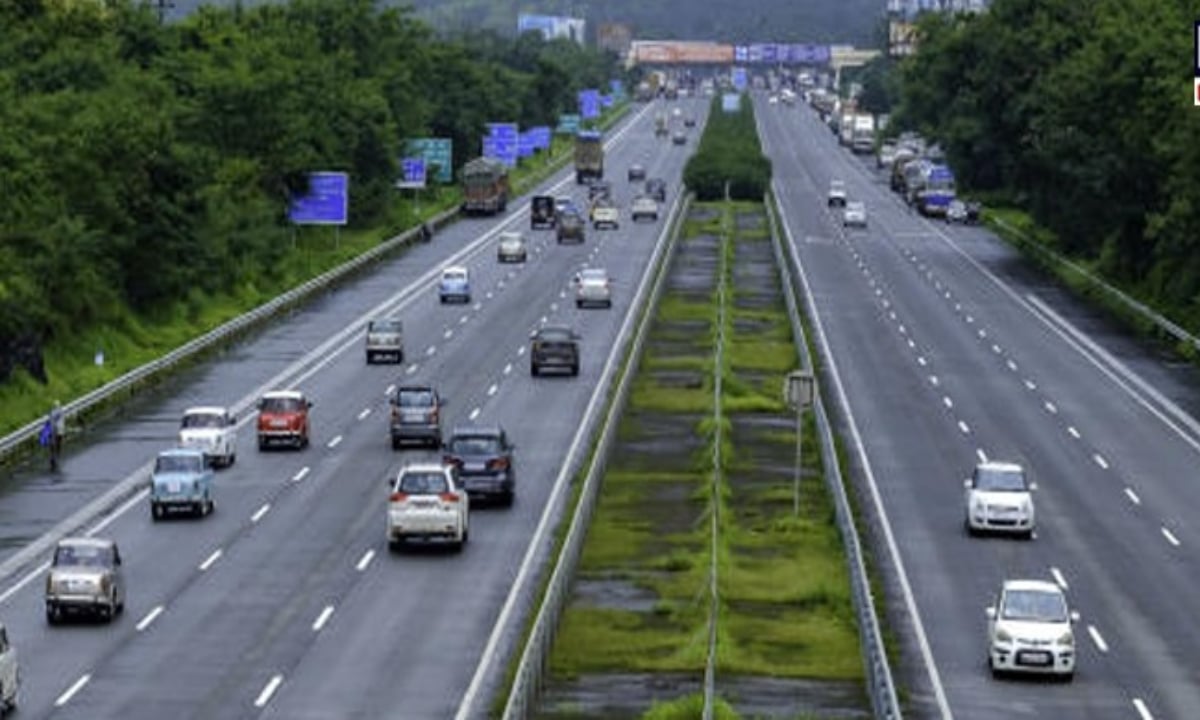
Strategic urban design serves as the bedrock of national progress and system efficiency. The Punjab government has calibrated a significant shift in infrastructure by inaugurating the first European-style road in Pakistan. This project, spearheaded by Chief Minister Maryam Nawaz Sharif, functions as a precision-engineered catalyst for sustainable urban development. By integrating international design standards, the initiative aims to enhance safety, aesthetics, and structural traffic management across the province’s urban centers.
Engineering a New Baseline for the European-Style Road
The development represents a departure from traditional road construction, prioritizing human-centric design over simple pavement. Specifically, the European-style road features modern urban planning elements, including dedicated pedestrian facilities, organized traffic flow, and integrated landscaping. Consequently, these features transform the thoroughfare into an economically vibrant hub rather than just a transit route. Supporters view this transition as a vital step toward bringing world-class infrastructure standards to the local landscape.

The Translation
In technical terms, a “European-style road” refers to a complete street approach. Unlike standard roads that focus solely on vehicle throughput, this model utilizes “traffic calming” techniques and “zoning” to separate pedestrians from high-speed transit. The logic relies on structural safety; by narrowing lanes and widening sidewalks, the system naturally reduces accident rates while increasing the environmental sustainability of the area.
The Socio-Economic Impact
This development directly improves the daily life of the Pakistani citizen by reducing commute stress and enhancing safety for school children and professionals alike. Furthermore, the emphasis on aesthetics and public spaces increases local property values and encourages small-scale commercial activity. For the average household, this means cleaner air through landscaping and a more predictable, disciplined traffic environment that saves time and fuel.
The Forward Path
This initiative represents a definitive Momentum Shift in Pakistan’s developmental trajectory. It moves the needle from “maintenance-only” infrastructure toward “visionary-urbanism.” If the Punjab government maintains this precision in scaling these projects to other cities, it will establish a new national baseline for modernization. This is not merely a road; it is a structural blueprint for the future of Pakistani cities.








