
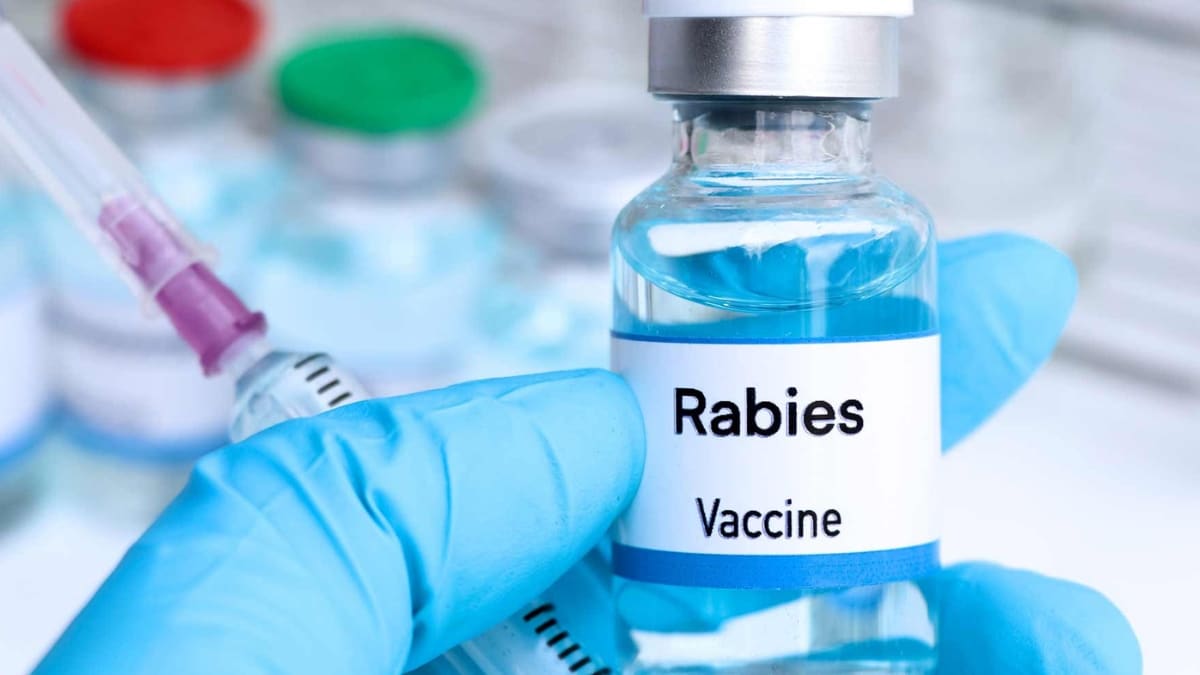
The recent Karachi rabies death of a 13-year-old laborer identifies a critical failure in our national public health safety net. Although the victim received a complete vaccination course at Abbasi Shaheed Hospital three months ago, the virus remained active. This tragic outcome at the Jinnah Postgraduate Medical Center (JPMC) necessitates a calibrated review of vaccine cold-chain integrity and medical follow-up protocols. Consequently, we must evaluate the structural precision of our current post-exposure prophylaxis (PEP) delivery systems.
Structural Gaps in Karachi Rabies Death Management
Dr. Irfan Siddiqi, the JPMC emergency department in-charge, confirmed that the teenager arrived on May 26 exhibiting severe symptoms. Specifically, the boy suffered from a persistent fever, irritability, and hydrophobia. These clinical markers indicated that the rabies infection had already reached a terminal stage. Despite the medical team’s intervention in the neuromedical ward, the patient died within hours of admission. This case serves as a grim catalyst for a broader investigation into healthcare baseline standards.
The Translation (Clear Context)
Rabies is a viral neuroinvasive disease that remains 100% fatal once clinical symptoms appear. Medical professionals use the “Rabies Vaccine” to stimulate an immediate immune response before the virus reaches the central nervous system. In this instance, the “full course” of vaccination failed to provide the necessary protection. This suggest three potential failure points: compromised vaccine quality, incorrect administration technique, or a delayed initial response. Therefore, a “vaccinated” status does not always guarantee immunity if the strategic clinical timeline is breached.
The Socio-Economic Impact
For the average Pakistani citizen, particularly the labor class in urban centers like Karachi, stray dogs represent a high-frequency risk. When public sector hospitals fail to deliver effective treatment, it erodes the baseline trust in the state’s healthcare infrastructure. Families now face a double burden: the physical threat of stray animals and the financial uncertainty of “free” vaccines that may not work. This systemic inefficiency disproportionately affects the productivity and safety of our most vulnerable workforce segments.
The “Forward Path” (Opinion)
This development represents a Stabilization Move rather than progress. While the availability of vaccines is a start, the lack of quality control and follow-up care negates those gains. To move forward, Pakistan must implement mandatory antibody titer testing for high-risk bites to confirm vaccine efficacy. We need a precision-driven approach to animal control and a modernized digital tracking system for all bite victims to ensure they receive calibrated, life-saving care. Half-measures in public health are, as this case proves, equivalent to no measures at all.








