
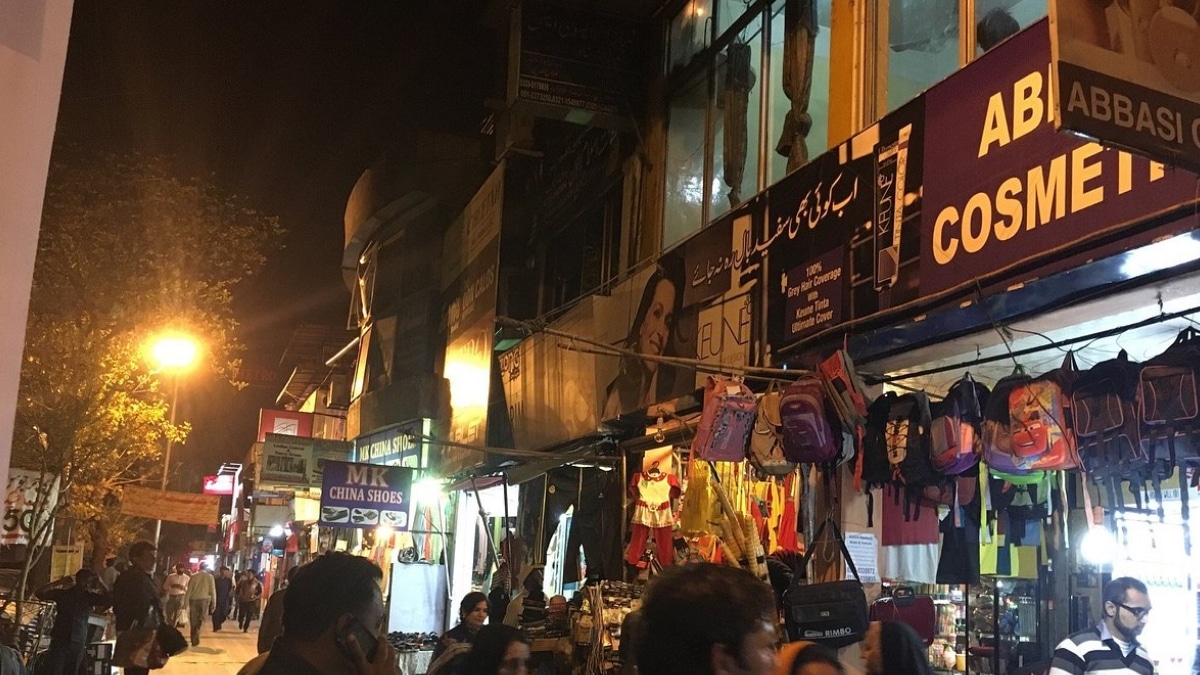
The Islamabad district administration has implemented a calibrated shift in Islamabad business hours to reinforce national energy conservation efforts. Effective from June 1, these structural adjustments aim to optimize utility consumption across the federal capital following the temporary Eid-ul-Adha relaxation. By standardizing operational windows, the government seeks to establish a sustainable baseline for urban energy management.
Structural Breakdown of the New Operating Framework
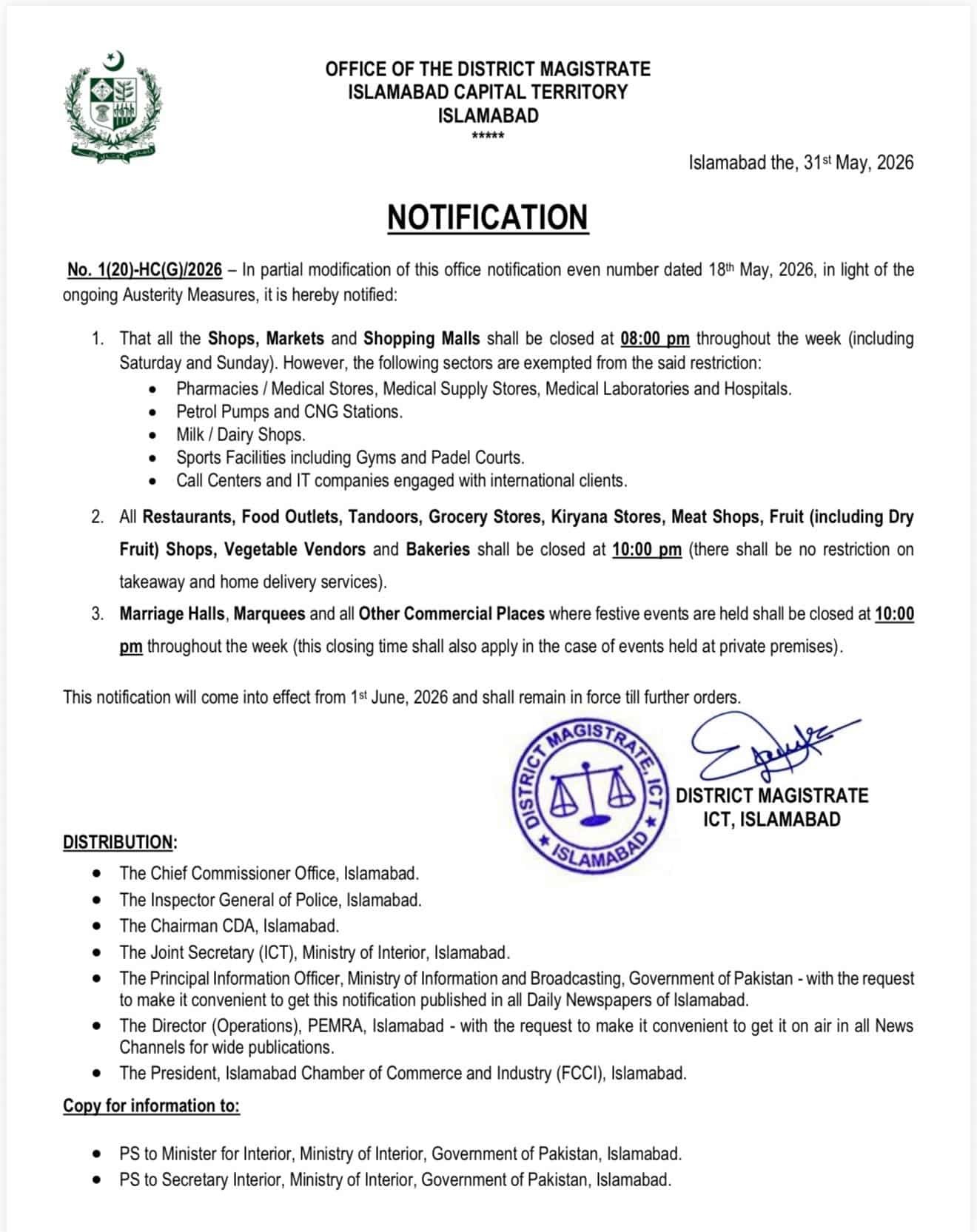
Under the formal notification from the Office of the District Magistrate, standard retail sectors must conclude operations by 8:00 PM daily. This mandate applies to all shops, markets, and shopping malls throughout the week, including Saturdays and Sundays. Consequently, businesses must align their logistics and staffing to meet these precision timings.
Service Exemptions and Delivery Logistics
Essential service providers receive specific temporal extensions to maintain public convenience. Restaurants, food outlets, grocery stores, and bakeries may operate until 10:00 PM. Furthermore, there is no restriction on takeaway or home delivery services. This strategy acts as a catalyst for the digital economy, allowing the delivery sector to function without disruption.
Critical Infrastructure and High-Priority Exemptions
The administration maintains operational continuity for vital sectors through specific exemptions. Medical facilities, pharmacies, petrol pumps, and dairy shops remain unaffected by the 8:00 PM cutoff. Additionally, IT companies and call centers servicing international clients retain full operational flexibility. This ensures that Pakistan’s digital exports remain competitive in the global market.
- Retail & Malls: 8:00 PM Closing
- Restaurants & Bakeries: 10:00 PM Closing
- Festive Events: 10:00 PM Closing for Marquees and Private Premises
- Unrestricted: Pharmacies, Hospitals, and IT Services
The Translation (Clear Context)
This move is more than a simple schedule change; it is a strategic maneuver to reduce the peak load on the national power grid. By synchronizing commercial activity with daylight hours, the administration reduces the structural demand for artificial lighting and cooling. This “Austerity Drive” reflects a broader national policy to stabilize the economy by curbing non-essential energy expenditures.
The Socio-Economic Impact
For the average Pakistani citizen, these timings necessitate a more disciplined approach to household management and shopping. While the 8:00 PM closure may limit evening leisure activities, the exemption of home delivery services ensures that the gig economy continues to thrive. Students and professionals in the IT sector are largely shielded from these changes, maintaining the momentum of the digital frontier.
The Forward Path (Opinion)
This development represents a Stabilization Move. While it addresses the immediate need for energy conservation, it highlights the ongoing requirement for more permanent, sustainable power solutions. For Islamabad to progress, these measures must eventually transition from restrictive mandates to incentivized energy-efficient infrastructure. However, in the current economic climate, this calibration is a necessary step toward national fiscal discipline.








