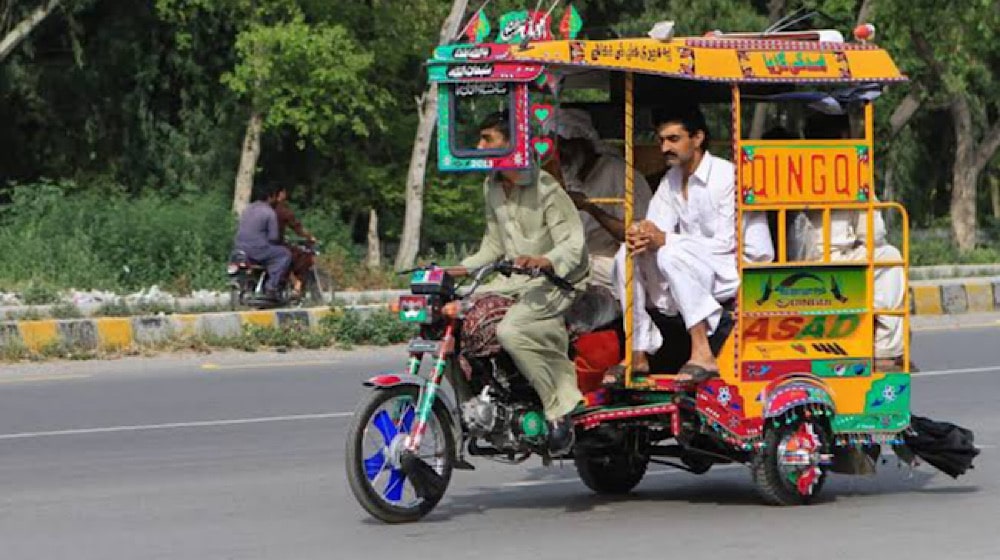
The Lahore Traffic Police recently finalized a calibrated Lahore rickshaw ban on primary transit corridors like Canal Road. This strategic move optimizes metropolitan flow and enhances public safety by removing slow-moving structural bottlenecks. By restricting loader and Qingqi rickshaws, authorities aim to establish a more efficient baseline for the city’s transport network.
Systemic Impacts of the Lahore Rickshaw Ban
Chief Traffic Officer (CTO) Lahore confirmed that the previous relaxation for loader rickshaws was a temporary measure. During Eid ul Azha, these vehicles facilitated sacrificial animal transport. However, officials have now withdrawn this permission to restore order on designated model roads. Consequently, additional traffic personnel now manage key checkpoints at Dharampura, Mughalpura, and Thokar Niaz Baig.
Enforcement and Safety Protocols
The directive extends beyond mere vehicle restrictions. Authorities will now register criminal cases against individuals transporting hazardous materials like steel bars and T-irons on Canal Road. Furthermore, a special crackdown targets auto-rickshaw drivers who compromise safety by carrying extra passengers in the driver’s compartment. These measures serve as a catalyst for a more disciplined urban environment.
The Translation: Contextual Logic
This policy shift represents a transition from emergency flexibility back to structural precision. In technical terms, the presence of low-speed, high-volume vehicles like Qingqi rickshaws on high-speed arteries creates “friction” in traffic fluid dynamics. By isolating these vehicle types, the police are essentially recalibrating the road’s throughput capacity. The inclusion of criminal charges for transporting iron rods addresses the high-risk “projectile” factor in urban accidents.
The Socio-Economic Impact
- For Professionals: Reduced commute times on Canal Road due to the removal of slow-moving obstacles.
- For Families: Enhanced road safety and a lower probability of accidents involving overloaded rickshaws.
- For Small Businesses: A temporary logistics challenge as they must shift from loader rickshaws to more standardized transport methods.
- For Public Health: Potential reduction in noise and emission density on Lahore’s primary model roads.
The Forward Path: Innovator’s Opinion
This development represents a Momentum Shift toward modernization. While the ban creates short-term friction for rickshaw operators, it is a necessary stabilization move for a city of 11 million people. To ensure long-term success, the government must pair these restrictions with a more robust, tech-integrated public transport infrastructure to fill the gap left by Qingqi rickshaws.