
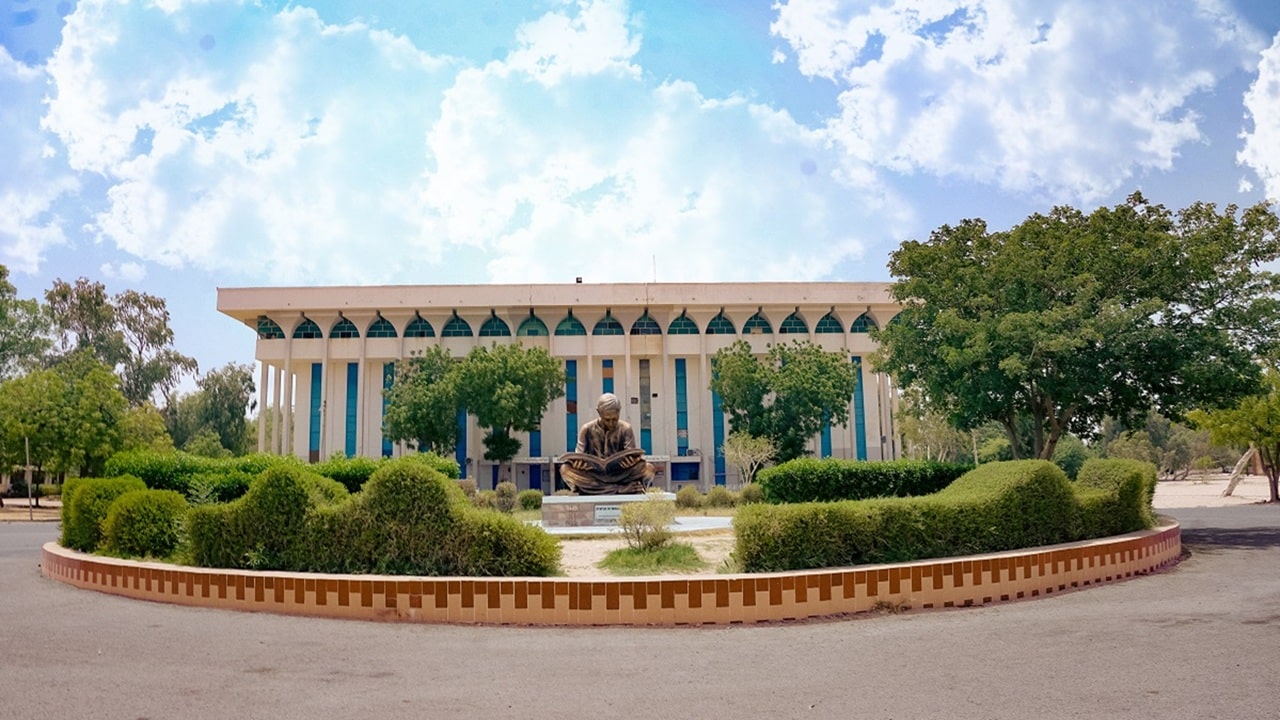
Educational infrastructure requires periodic calibration to maintain peak operational efficiency. The Registrar’s Office recently confirmed the Sindh summer vacations, scheduled to commence on June 1 and conclude on July 31. Consequently, this strategic pause allows the academic system to reset before classes resume on August 3. This baseline shift ensures that both faculty and students can recharge during the peak environmental stress of the summer months.
Operational Protocols and Administrative Continuity
While students transition into their break, the university has established a precise administrative framework to maintain structural integrity. Specifically, directors and chairpersons of all academic institutes must attend their offices twice weekly on Mondays and Tuesdays. Furthermore, these sessions will run from 9:00 AM to 1:00 PM to ensure that institutional oversight continues uninterrupted during the Sindh summer vacations period.
- Faculty Deadline: All faculty members must submit semester examination results by June 1 to ensure data precision.
- Executive Presence: Pro-Vice Chancellors and Deans of faculties will continue performing their duties as usual.
- Support Ecosystem: Vital personnel, including programmers, security guards, and laboratory assistants, remain on-site to protect campus assets.
The Translation: Decoding Academic Recess
This notification isn’t merely a closure; it is a recalibration of the institutional baseline. By maintaining administrative presence, the university ensures that the forward path for the upcoming semester remains unobstructed. The mandate for faculty to submit results before the break serves as a catalyst for timely academic progression, preventing the bureaucratic lag often associated with long vacations.
The Socio-Economic Impact
How does this change the daily life of a Pakistani citizen? For thousands of families in Sindh, this schedule offers a necessary reprieve from extreme regional temperatures. Moreover, it allows students from rural areas to return home, effectively reducing the economic load on urban housing and transport. This stabilization move aligns academic cycles with environmental realities, prioritizing the health and safety of the student body.
The Forward Path: A Stabilization Move
In our expert view, this development represents a Stabilization Move. While it follows traditional seasonal patterns, the precision in the administrative mandates ensures the system does not lose momentum. For a Next Generation Pakistan, maintaining this structural discipline during “down-time” is essential for long-term educational sustainability and systemic efficiency.








