
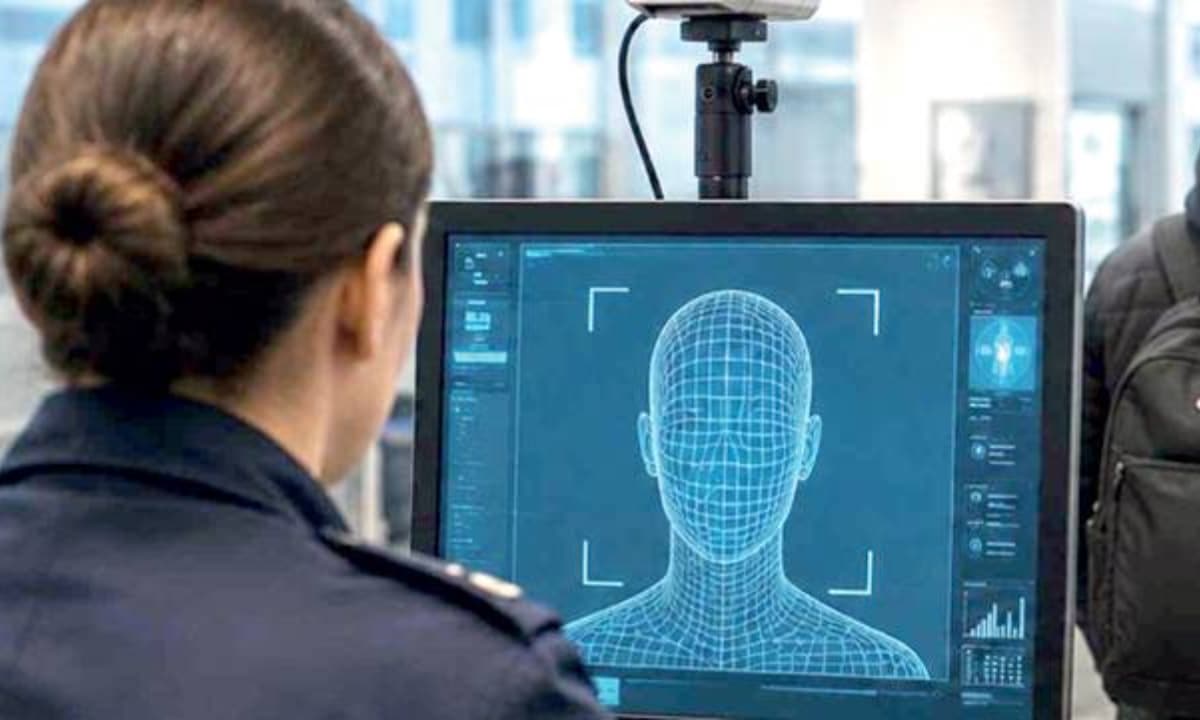
The United Kingdom plans to deploy a calibrated AI age estimation system at its borders next year. This strategic initiative aims to authenticate the biological age of asylum seekers and identify adult migrants who may be misrepresenting themselves as minors. Consequently, the UK Home Office intends to utilize this software to analyze facial photography and extract precise age-related data points at critical entry zones.
The Precision of Biometric Border Screening
Government authorities developed this tool through a private software partnership to stabilize the initial assessment process. Preliminary testing demonstrated a promising performance baseline, suggesting that the algorithm can effectively differentiate between children and adults. Furthermore, officials argue that this technological catalyst will prevent individuals from gaming the system to access benefits reserved for unaccompanied minors.
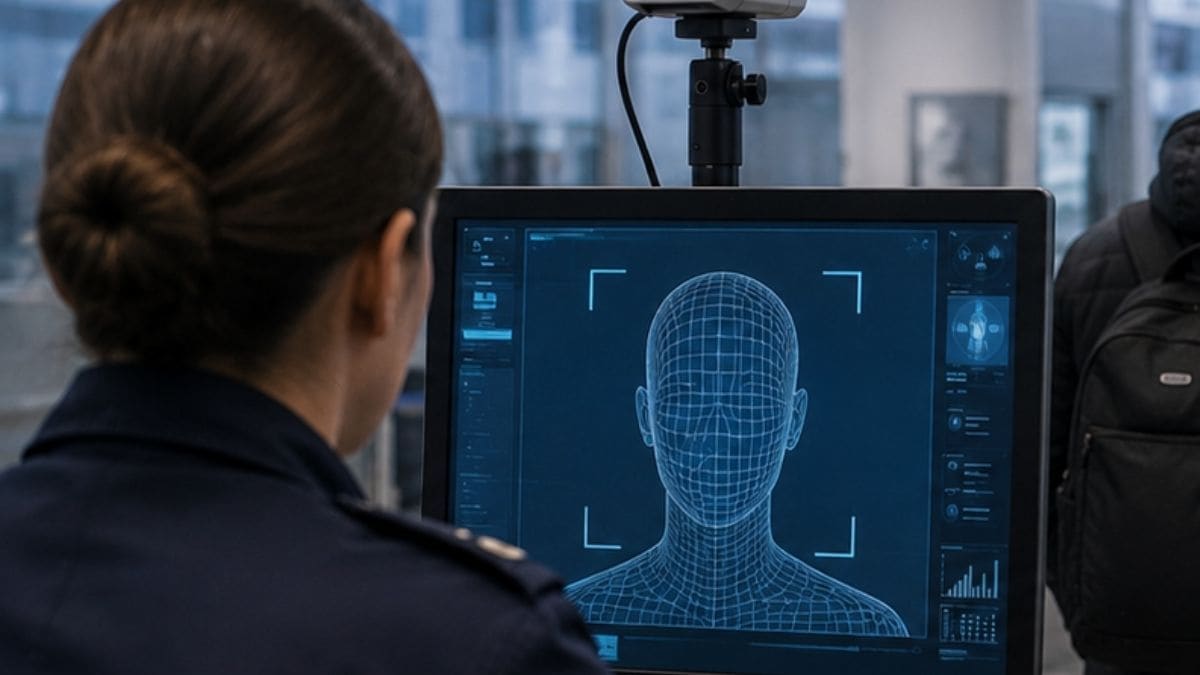
Current UK policy provides unaccompanied child migrants with specialized legal protections and local council support. However, data indicates that in the year ending March 2026, roughly 43% of individuals claiming minor status were verified as adults after assessments. Therefore, the implementation of AI age estimation serves as a structural move to reduce these high error rates in classification.
Human Rights and Technological Reliability
Despite the official rollout plans, human rights organizations have raised significant concerns regarding this “unproven technology.” Groups like Human Rights Watch argue that the system could inadvertently undermine protections for vulnerable children. Because no definitive scientific test for age currently exists, critics maintain that even small algorithmic margins of error could lead to disastrous legal consequences for asylum seekers.

The Situation Room Analysis
The Translation
This deployment represents a shift from subjective human observation to data-driven biometric verification. By digitizing facial markers, the Home Office seeks to remove human bias from the initial intake process. The logic follows a “security-first” architecture, where precision in identification is the primary filter for resource allocation.
The Socio-Economic Impact
For the Pakistani diaspora and global travelers, this move signals an era of rigid, tech-dependent border crossings. It directly impacts households navigating international resettlement, as the burden of proof shifts toward technological validation. Students and professionals moving across borders must anticipate a future where their digital biometric footprint determines their legal standing and access to social infrastructure.
The Forward Path
We classify this development as a Momentum Shift. While the human rights debate continues, the integration of automated intelligence into national security is an irreversible trend. To maintain system efficiency, Pakistan and other nations must prepare for similar global standards in border management, focusing on data accuracy and biometric integrity.








