

OpenAI’s internal development cycles suggest a calibrated acceleration toward AGI. While the official roadmap remains guarded, market signals indicate the OpenAI GPT-5.6 model could arrive within weeks. This development serves as a strategic catalyst for systemic shifts in computational reasoning and professional automation. Consequently, developers and industry leaders must prepare for a baseline shift in AI capabilities.
Decoding the OpenAI GPT-5.6 Market Signals
Prediction markets like Polymarket currently reflect high confidence in a near-term launch. Traders actively monitor tech-market outcomes to predict when OpenAI will make this model available to the general public. Although these odds do not constitute an official schedule, they provide a precise reflection of industry expectations. OpenAI updated the GPT-5.5 Instant model on May 28, further fueling speculation that a successor is imminent.
The Translation: Technical Clarity
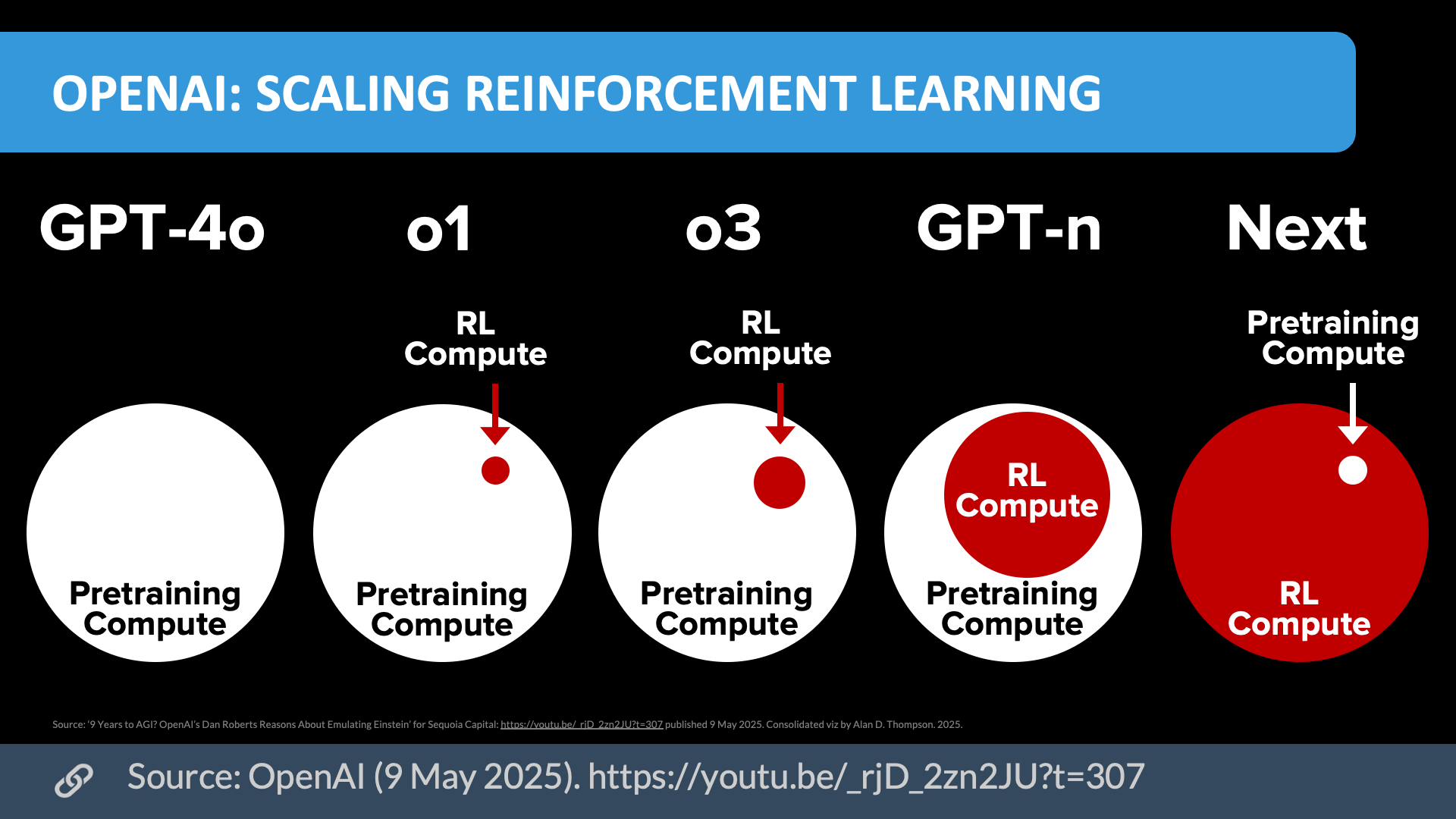
The OpenAI GPT-5.6 model represents a mid-cycle structural optimization. Reports link this model to the internal codename “iris-alpha,” suggesting a focus on refinement rather than a total architectural overhaul. Most notably, the model may feature a 1.5 million token context window. This allows the system to process massive datasets, such as entire technical manuals or complex codebases, in a single operational cycle.
The Socio-Economic Impact on Pakistan
This advancement directly influences Pakistan’s burgeoning freelance and technology sectors. Increased context windows allow local developers to debug complex software architectures with greater precision. Furthermore, students and professionals can leverage these tools to analyze legal or financial documents with structural accuracy. This technology reduces the friction of entry for Pakistani startups competing in the global digital economy.
The “Forward Path”: Expert Opinion
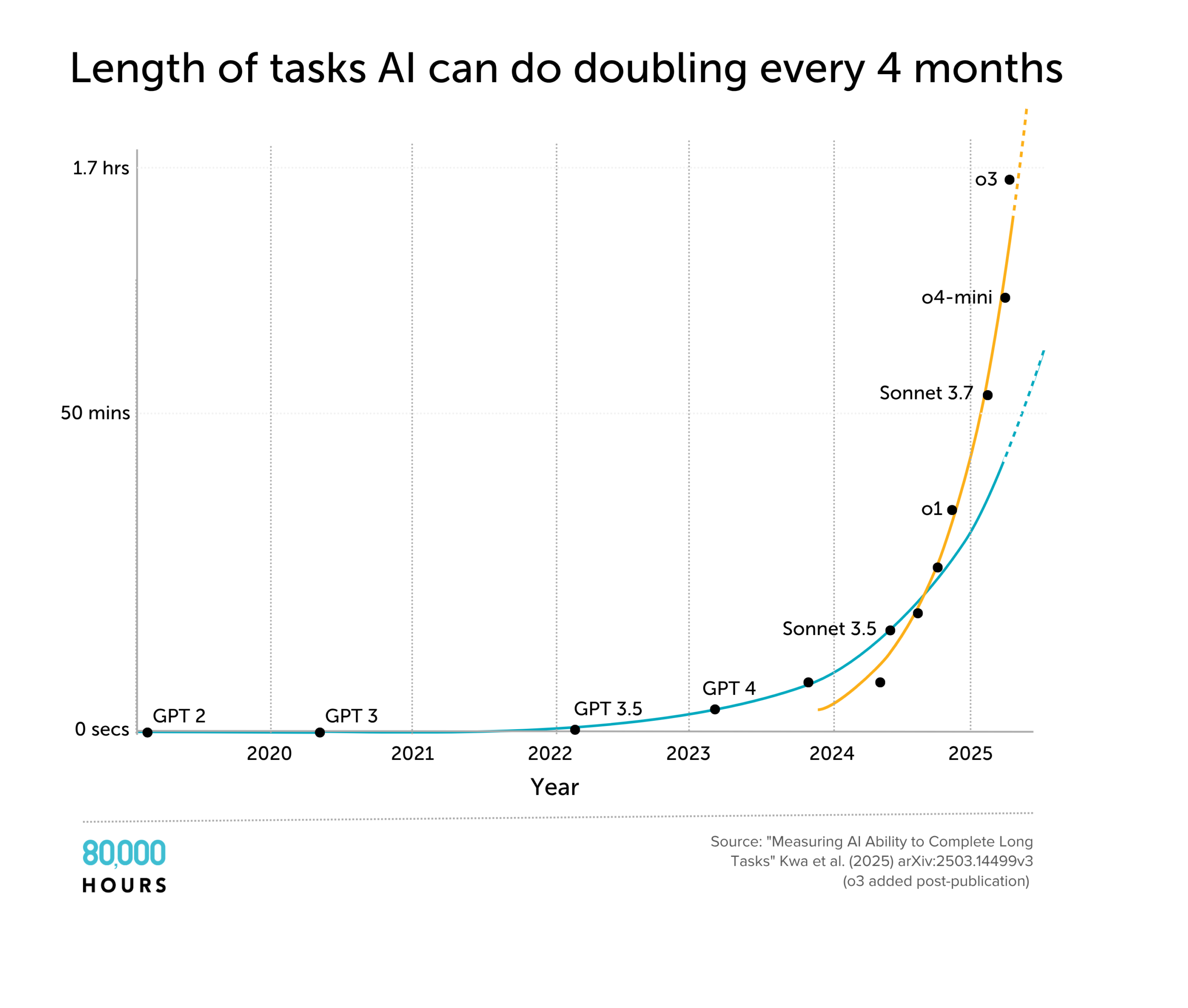
We categorize the potential arrival of OpenAI GPT-5.6 as a Momentum Shift. The transition from monolithic updates to rapid, iterative cycles indicates a maturing ecosystem. For Pakistan, this creates a critical window to integrate AI into national education and infrastructure. We must transition from passive users to architectural innovators to maintain a competitive advantage in this new computational era.









