

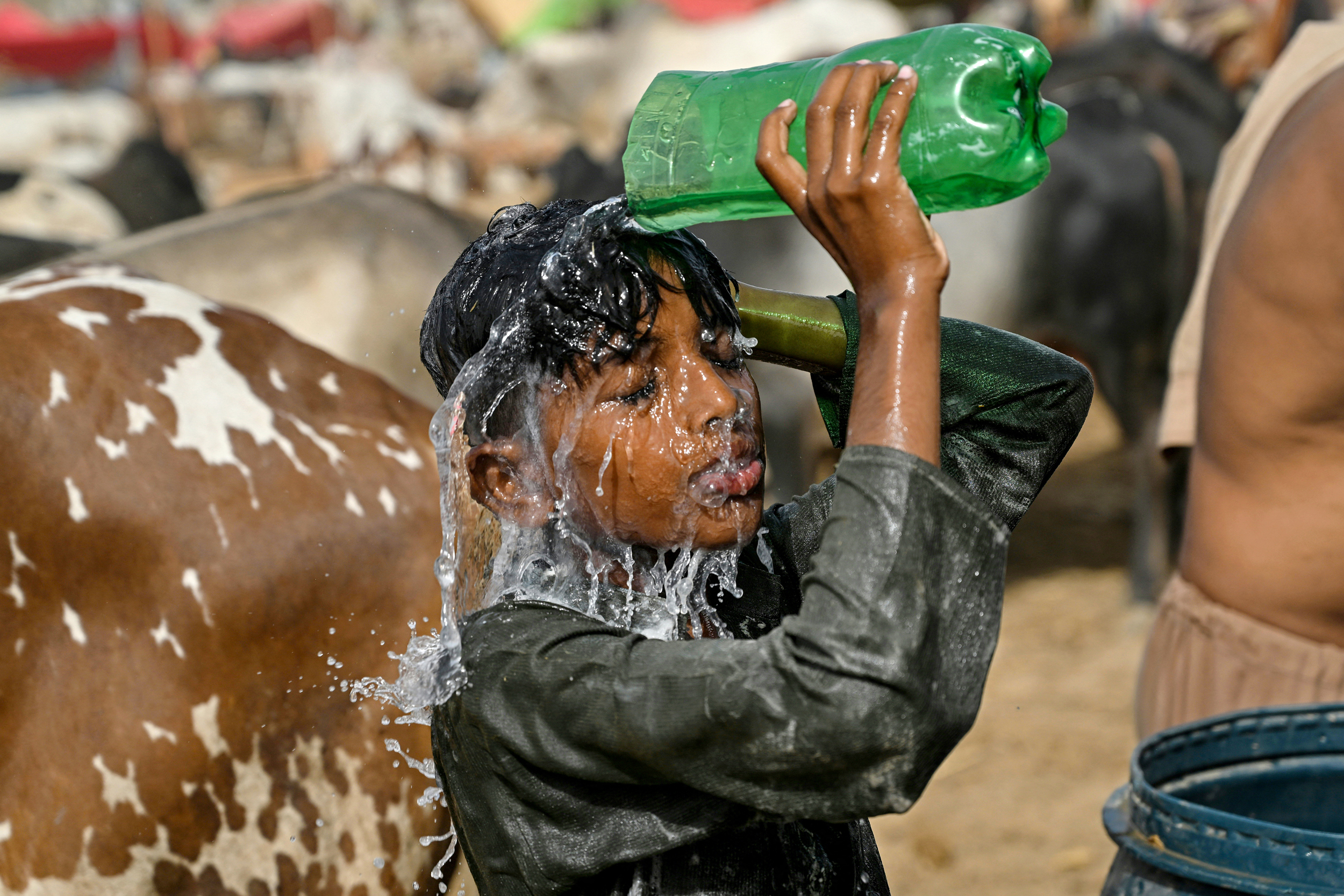
Karachi faces a persistent challenge as Karachi humid weather intensifies, driven by rising night temperatures and humidity levels exceeding 75 percent. The Meteorological Department recorded a minimum of 30°C today, while daytime maximums are calibrated to reach between 35°C and 37°C. This atmospheric baseline creates a significant “feels-like” surge, necessitating strategic heat management for residents across the urban landscape.
Strategic Analysis of Karachi Humid Weather
Current meteorological data reveals a concerning trend in urban thermal retention. While sea breezes from the southwest reach speeds of 16 km/h, the high moisture content negates much of the cooling effect. Consequently, the city remains locked in a cycle of oppressive heat that lasts well into the night hours.
- Minimum Night Temperature: 30°C
- Humidity Baseline: 75%
- Peak Projected Temperature: 37°C
- Rural Comparison (Dadu): 31.5°C
The Translation (Clear Context)
In technical terms, the high humidity levels in Karachi act as a thermal barrier. When the air is saturated with moisture, evaporation—the primary method by which the human body and the environment shed heat—slows down significantly. Furthermore, the increase in night temperatures indicates that Karachi’s urban infrastructure is failing to dissipate energy effectively. This means the city stays hot 24/7, offering no recovery period for the electrical grid or the inhabitants.
The Socio-Economic Impact
The rising thermal baseline directly impacts the daily lives of Pakistani citizens by straining both health and household finances. Increased night heat disrupts restorative sleep cycles, which subsequently reduces the cognitive precision and productivity of the workforce and student population. Economically, families face a surge in utility costs as cooling systems must operate at higher capacities for longer durations. In rural areas like Dadu, these temperatures threaten agricultural laborers who lack the structural protections found in urban centers.
The Forward Path (Opinion)
This development represents a Momentum Shift toward a permanent climate challenge for Sindh. We must move beyond reactive measures and implement systemic cooling strategies. This includes upgrading the structural integrity of our power grid to handle sustained peak loads and mandating green architectural standards. Karachi’s future efficiency depends on our ability to recalibrate the urban environment to withstand these intensifying thermal patterns.








